
Tomato Cultivation Guide in Afghanistan
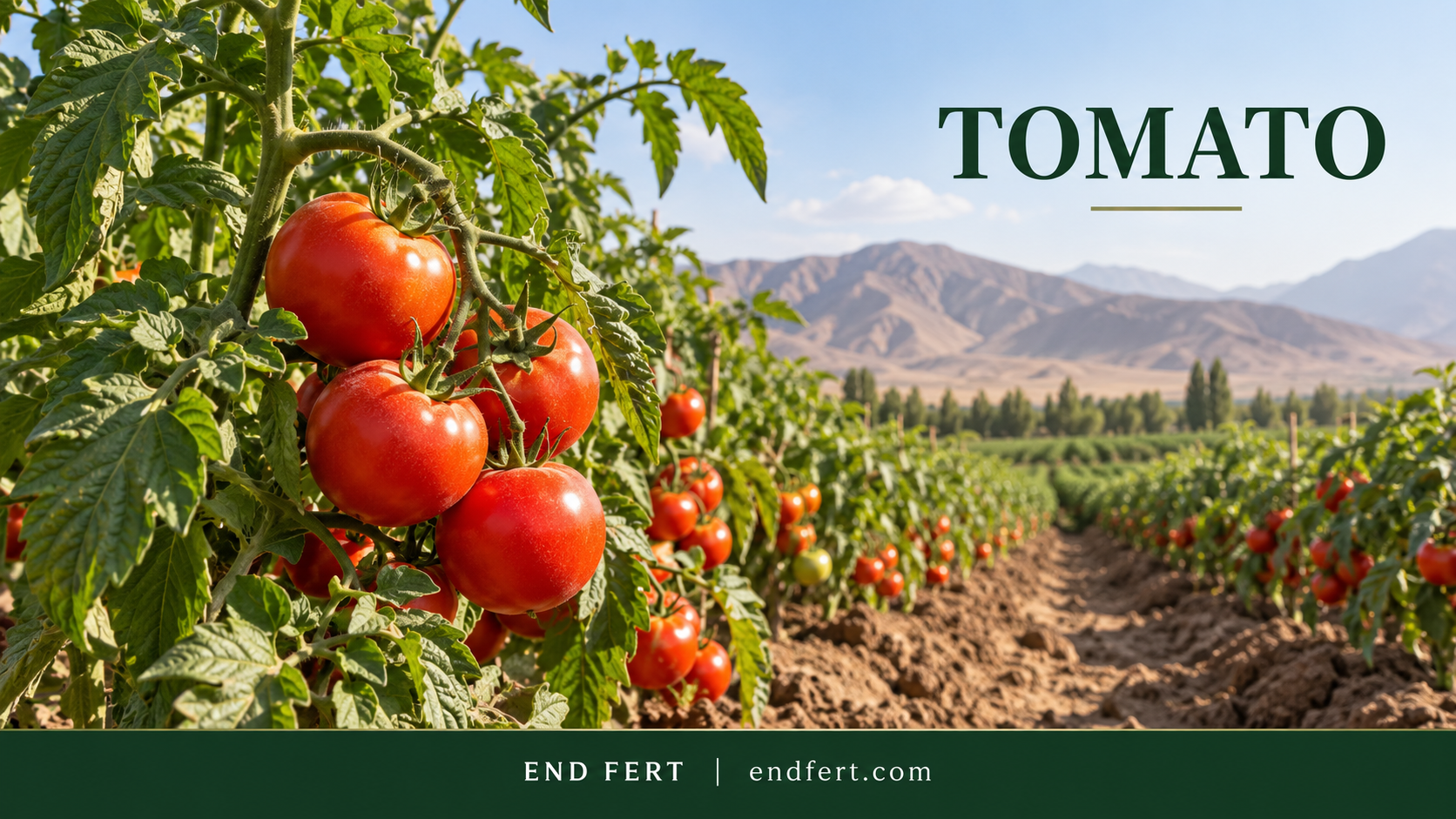
Practical tomato production guide for Afghanistan: climate, soil, irrigation, stage-based nutrition, deficiencies, pests, diseases and harvest.
Introduction and importance
Tomato is a major market vegetable requiring healthy transplants, regular irrigation, balanced nutrition and disease management for sustained production.
Suitable climate and soil
Moderate-to-warm temperatures, good light and well-drained loam are suitable. Frost, extreme heat at flowering and high salinity reduce fruit set.
Land preparation and planting
Transplant healthy resistant seedlings after frost risk and rotate away from solanaceous crops. Use suitable spacing and support plants where needed.
Irrigation management
Uniform moisture, preferably drip-applied, reduces cracking and blossom-end rot. Limit prolonged leaf wetness.
Stage-based nutrition
Use phosphorus for establishment, balanced nitrogen for vegetative growth and adequate potassium and calcium from flowering through harvest. Salinity and excess ammonium impair calcium uptake.
- Stage 1: نشاکاری یا سبزشدنAdjust nutrition to crop demand and laboratory soil and water results. Avoid mixing concentrated fertilizers without a compatibility test.
- Stage 2: رشد رویشیAdjust nutrition to crop demand and laboratory soil and water results. Avoid mixing concentrated fertilizers without a compatibility test.
- Stage 3: گلدهی و تشکیل محصولAdjust nutrition to crop demand and laboratory soil and water results. Avoid mixing concentrated fertilizers without a compatibility test.
- Stage 4: رشد، برداشت و تداوم باردهیAdjust nutrition to crop demand and laboratory soil and water results. Avoid mixing concentrated fertilizers without a compatibility test.
Nutrient deficiencies
Diagnose deficiencies from symptom pattern, affected leaf age, root condition and laboratory analysis. Similar symptoms may also result from salinity, waterlogging, cold or root disease.
Pests and diseases
Whiteflies, aphids, thrips, leafminers and fruitworms require traps, scouting and integrated management. Early and late blight, Fusarium, Verticillium, bacterial spot and viruses decline with clean seedlings, rotation, ventilation and removal of infected plants.
Harvest and storage
Harvest mature-green, breaker or red fruit according to market distance and protect it from sun and impact.
Frequently asked questions
What is the best fertilizer for Tomato?
There is no single universal formula. The correct choice depends on soil and water analysis, crop stage and yield target.
Products Endfert
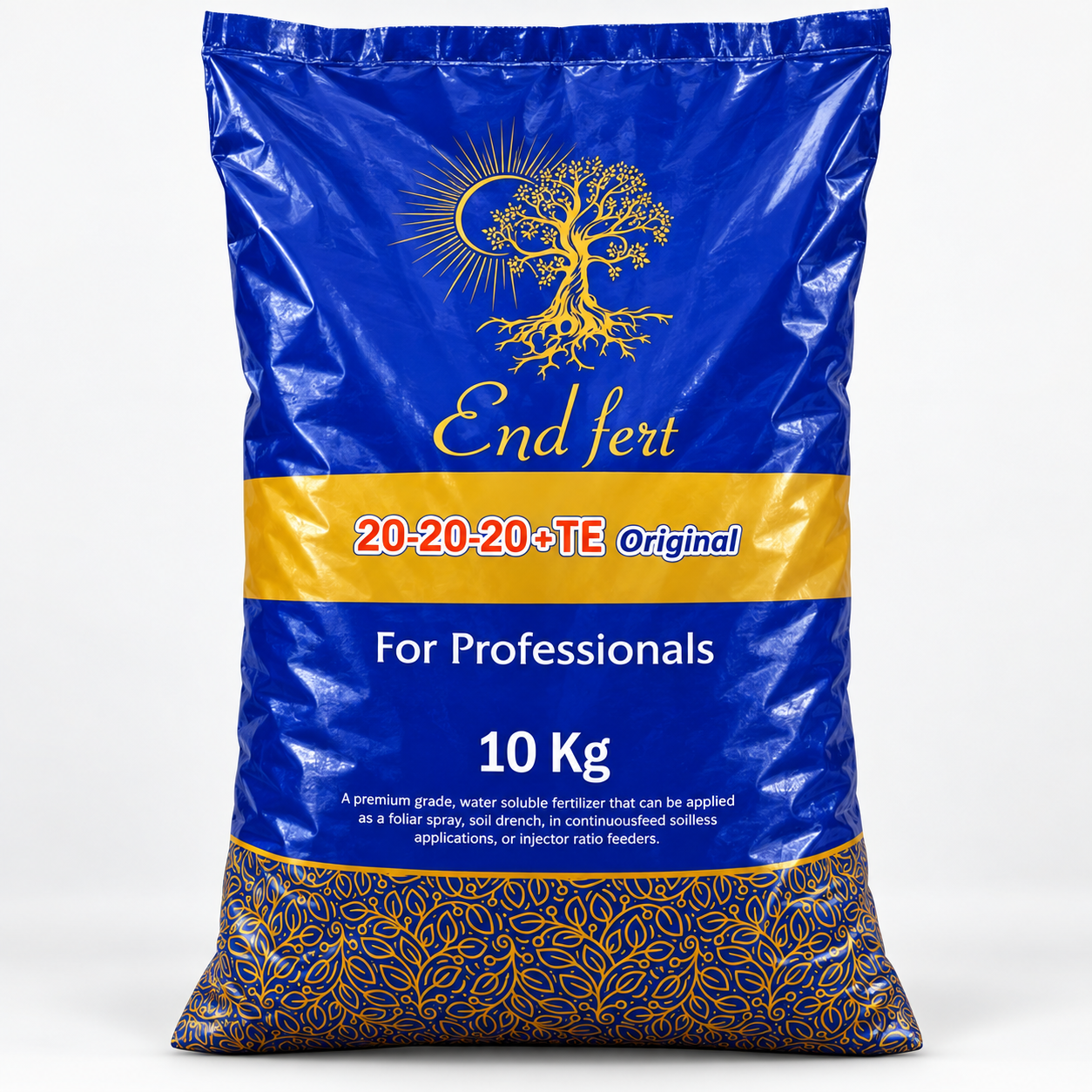
End fert NPK 20-20-20 +TE
N 20% • P₂O₅ 20% • K₂O 20% • TE
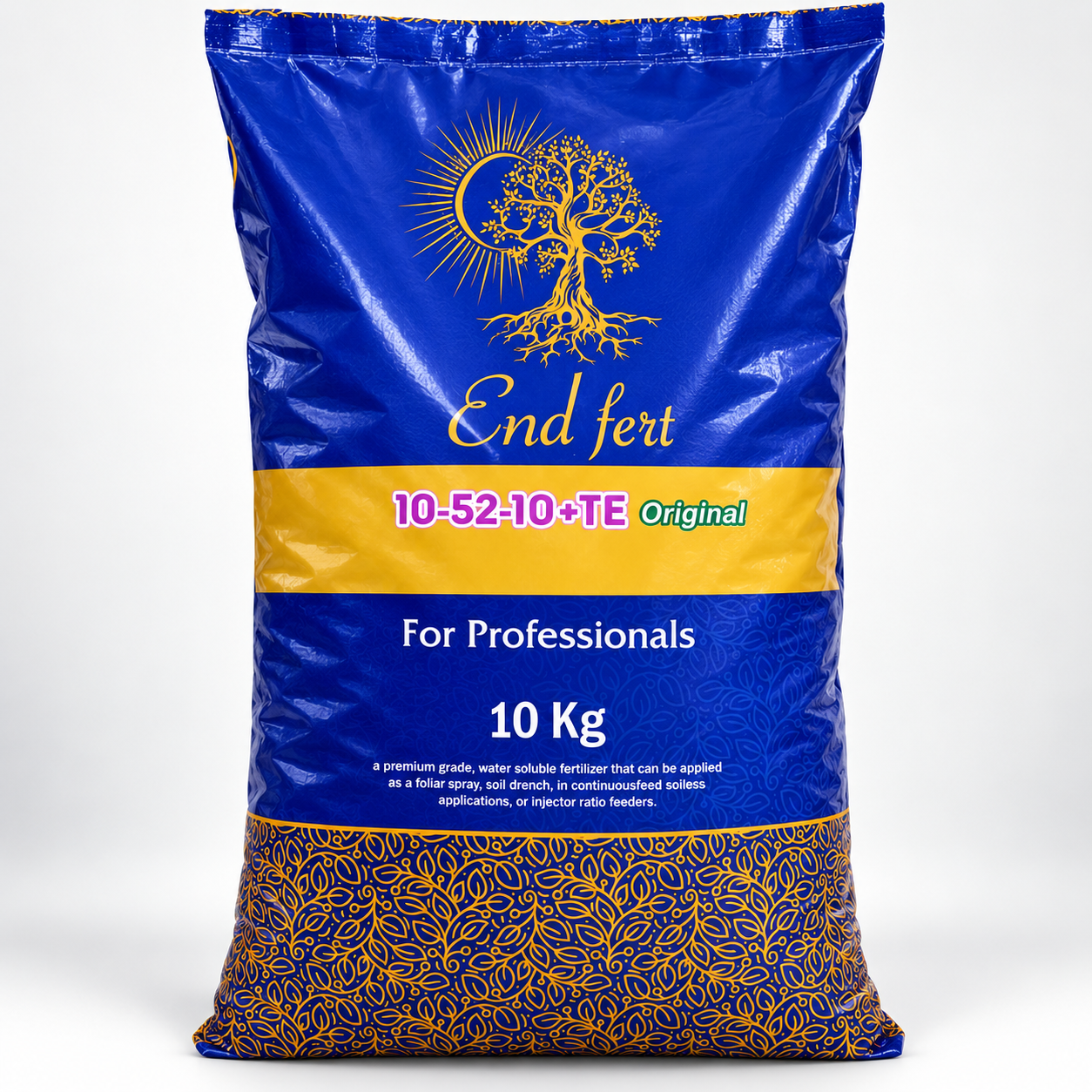
End fert NPK 10-52-10 +TE
N 10% • P₂O₅ 52% • K₂O 10% • TE
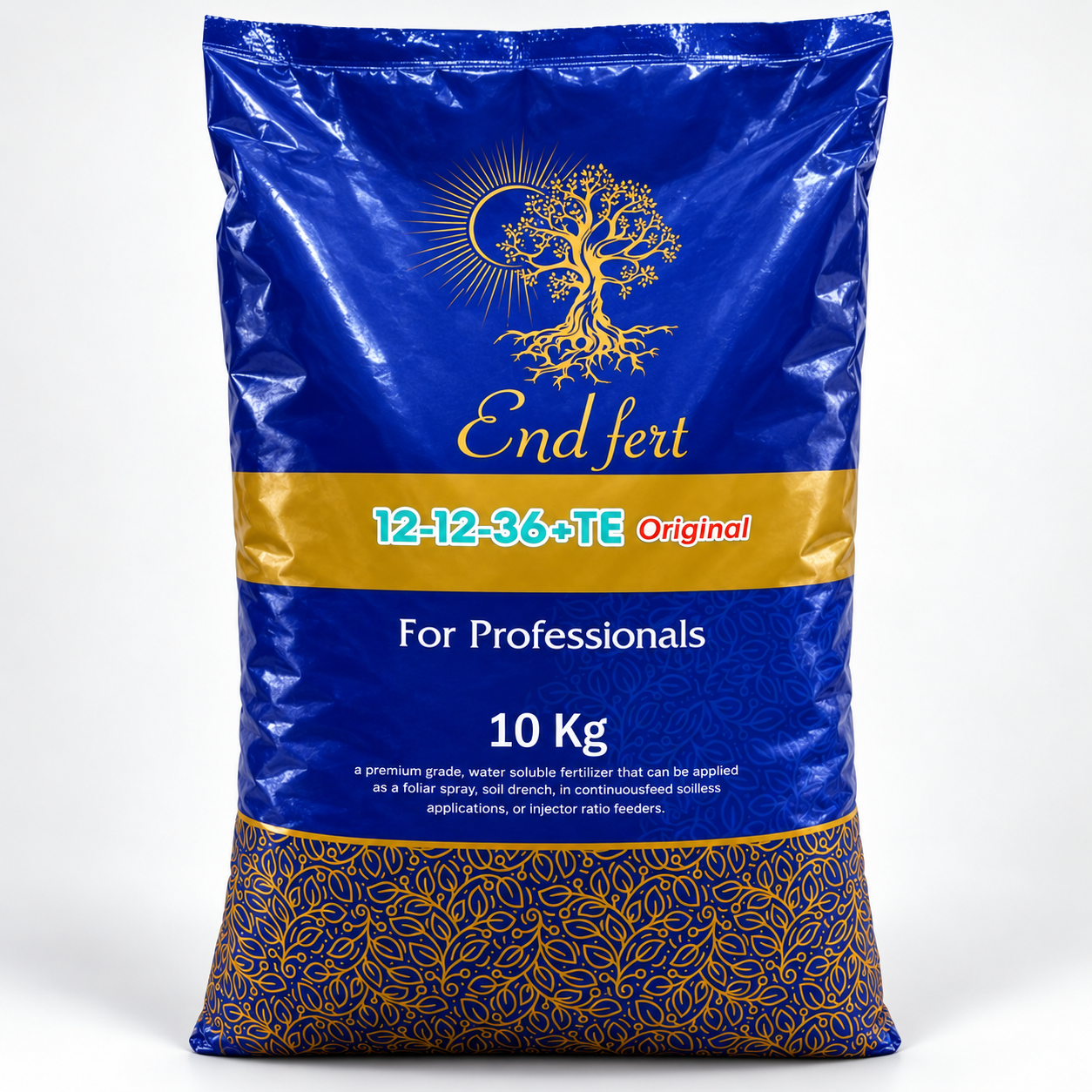
End fert NPK 12-12-36 +TE
N 12% • P₂O₅ 12% • K₂O 36% • TE
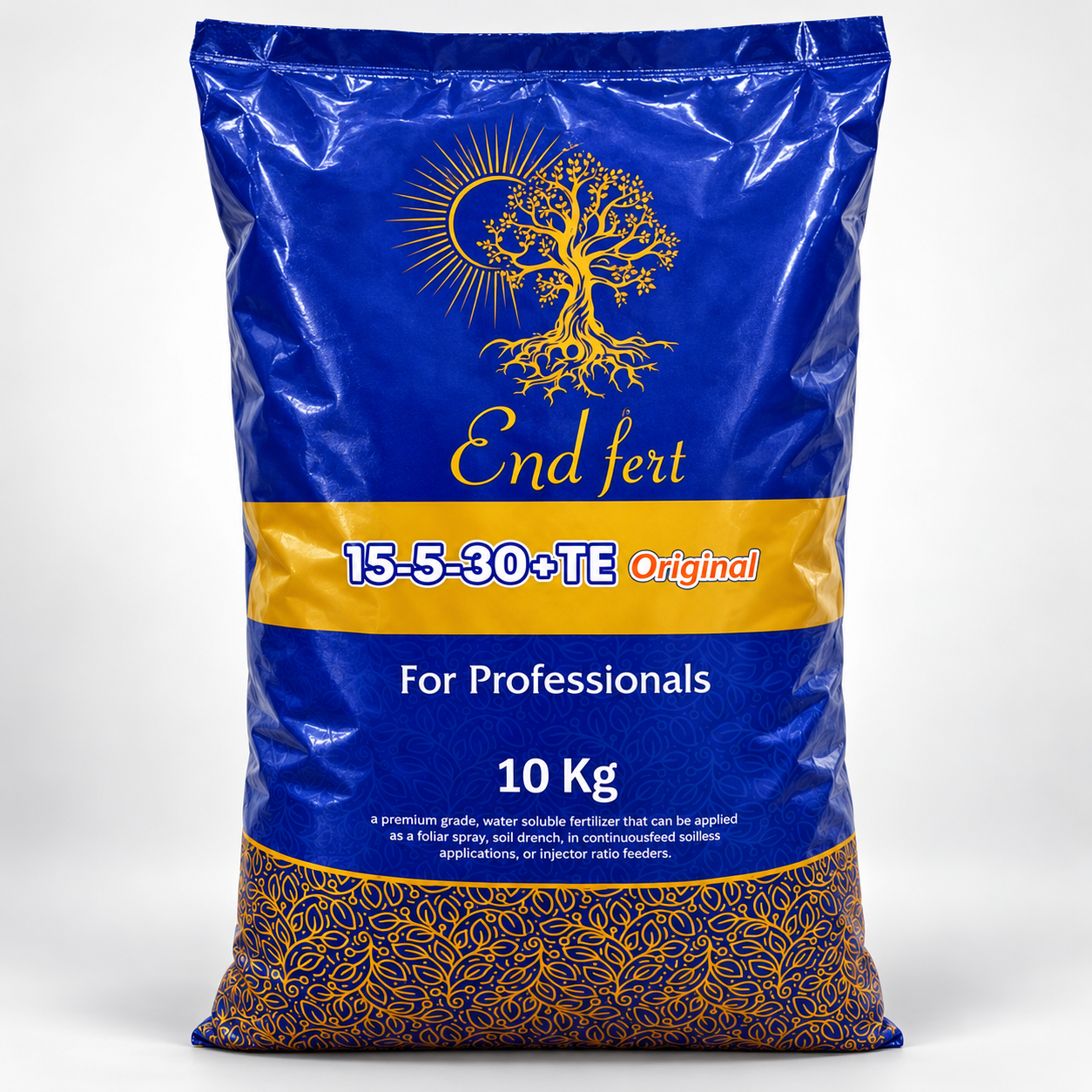
End fert NPK 15-5-30 +TE
N 15% • P₂O₅ 5% • K₂O 30% • TE
Endfert NPK 10-10-40 +TE
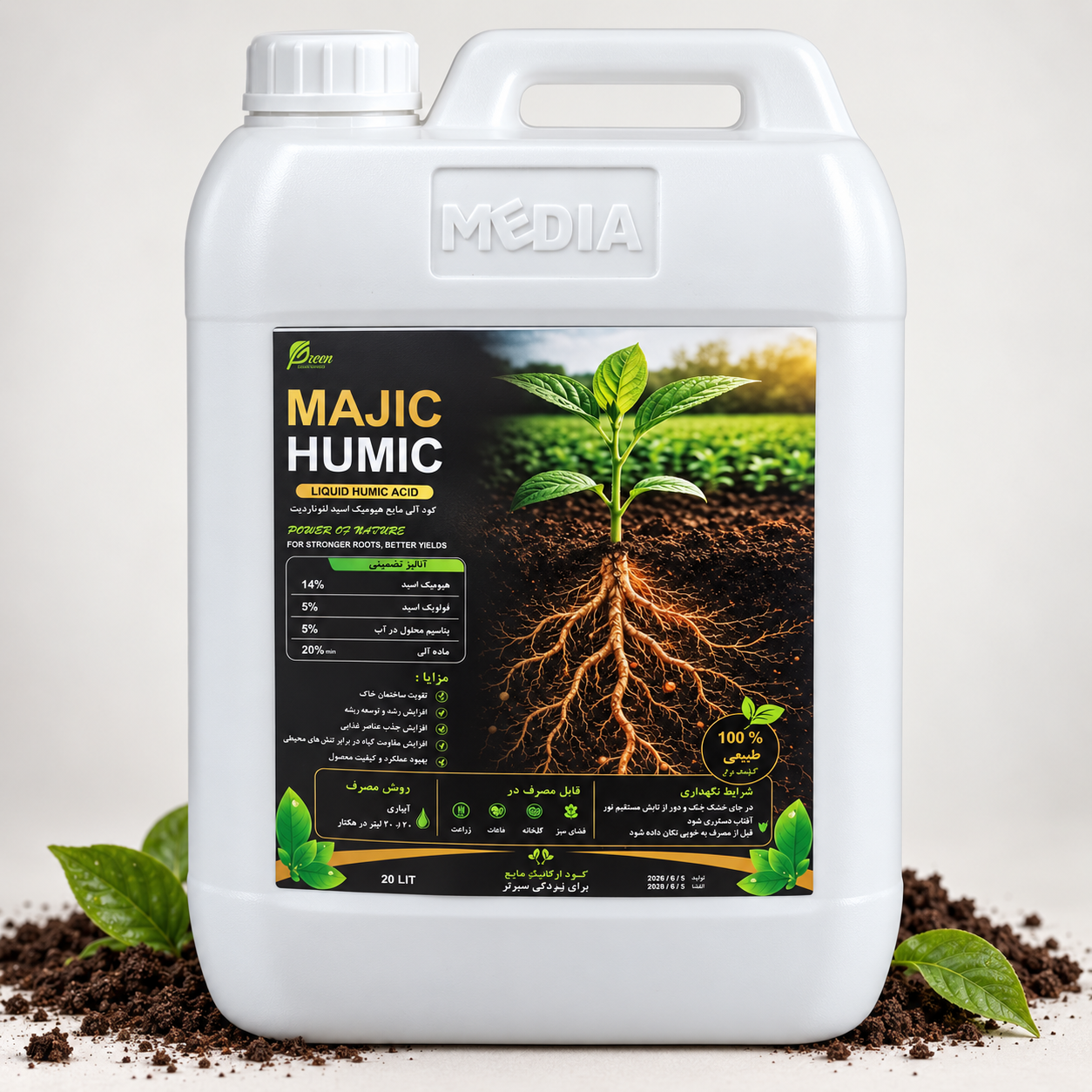
Magic Liquid Humic Fertilizer
Humic acid 14% • Fulvic acid 5% • Water-soluble K₂O 5% • Organic matter ≥ 20%