
Saffron Cultivation Guide in Afghanistan
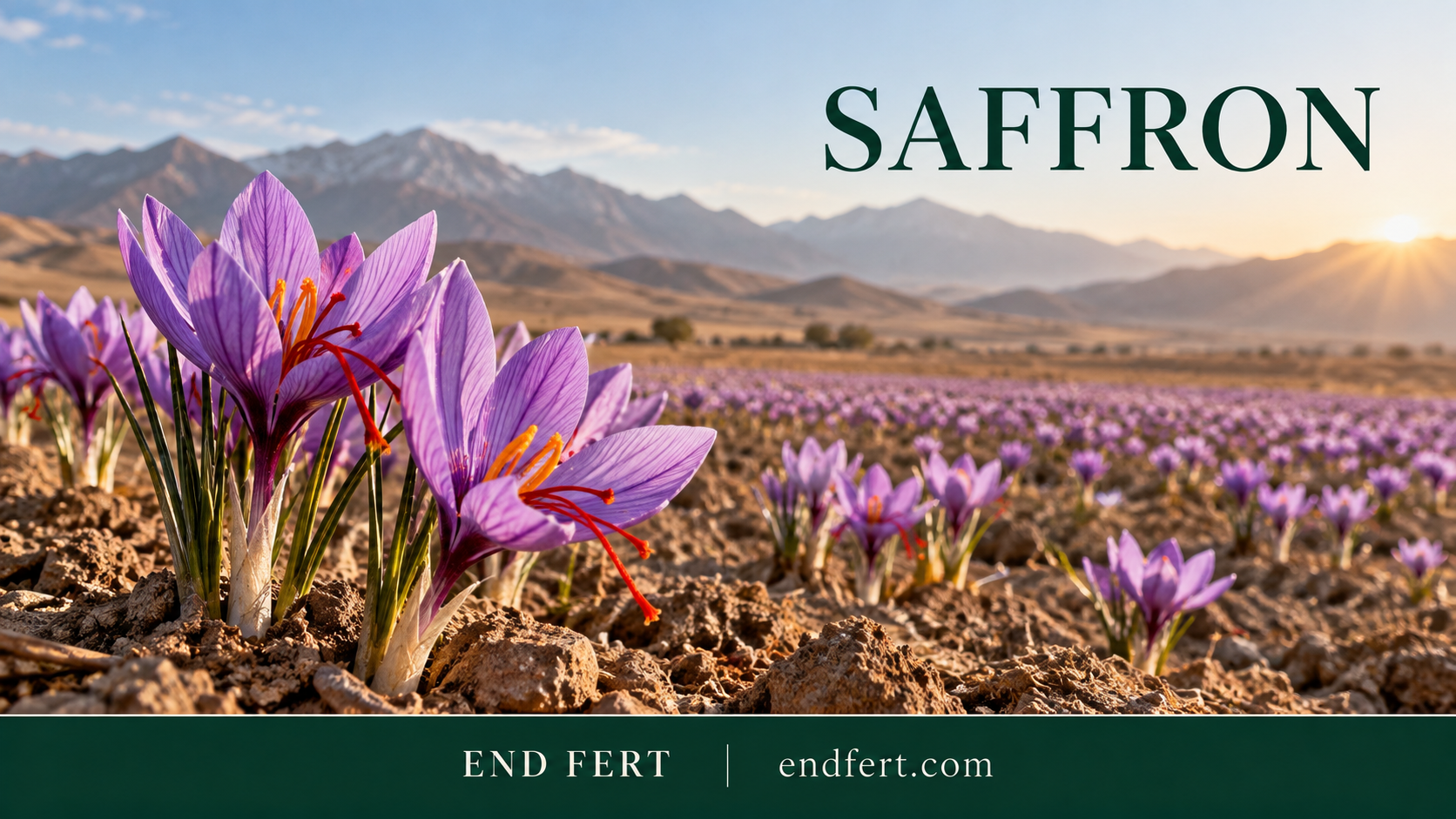
Practical saffron production guide for Afghanistan: climate, soil, irrigation, stage-based nutrition, deficiencies, pests, diseases and harvest.
Introduction and importance
Saffron is a low-water, high-value Afghan export crop, especially in Herat. Corm quality, drainage and rapid flower processing determine value.
Suitable climate and soil
Hot dry summers, moderate autumns and cold winters are suitable. Light-to-loam, calcareous, freely drained soil is preferred.
Land preparation and planting
Plant large healthy corms free of mites and rot in summer at uniform depth and spacing; infested fields and short rotations are risky.
Irrigation management
Time the autumn flower-triggering irrigation to local climate and maintain moisture without waterlogging. Summer irrigation during dormancy is usually limited.
Stage-based nutrition
Use fully decomposed manure and tested phosphorus and potassium before planting, with light nitrogen after flowering and during leaf growth. Fresh manure increases rot risk.
- Stage 1: آمادهسازی زمینAdjust nutrition to crop demand and laboratory soil and water results. Avoid mixing concentrated fertilizers without a compatibility test.
- Stage 2: استقرار اولیهAdjust nutrition to crop demand and laboratory soil and water results. Avoid mixing concentrated fertilizers without a compatibility test.
- Stage 3: رشد فعالAdjust nutrition to crop demand and laboratory soil and water results. Avoid mixing concentrated fertilizers without a compatibility test.
- Stage 4: رسیدگی و برداشتAdjust nutrition to crop demand and laboratory soil and water results. Avoid mixing concentrated fertilizers without a compatibility test.
Nutrient deficiencies
Diagnose deficiencies from symptom pattern, affected leaf age, root condition and laboratory analysis. Similar symptoms may also result from salinity, waterlogging, cold or root disease.
Pests and diseases
Rodents, corm mites and thrips require clean beds, healthy corms, traps and monitoring. Fungal corm rot is the main threat; drainage, corm treatment, rotation and removal of infected patches are essential.
Harvest and storage
Pick flowers early morning, separate stigmas the same day, dry rapidly under controlled temperature and pack away from light and moisture.
Frequently asked questions
What is the best fertilizer for Saffron?
There is no single universal formula. The correct choice depends on soil and water analysis, crop stage and yield target.
Products Endfert
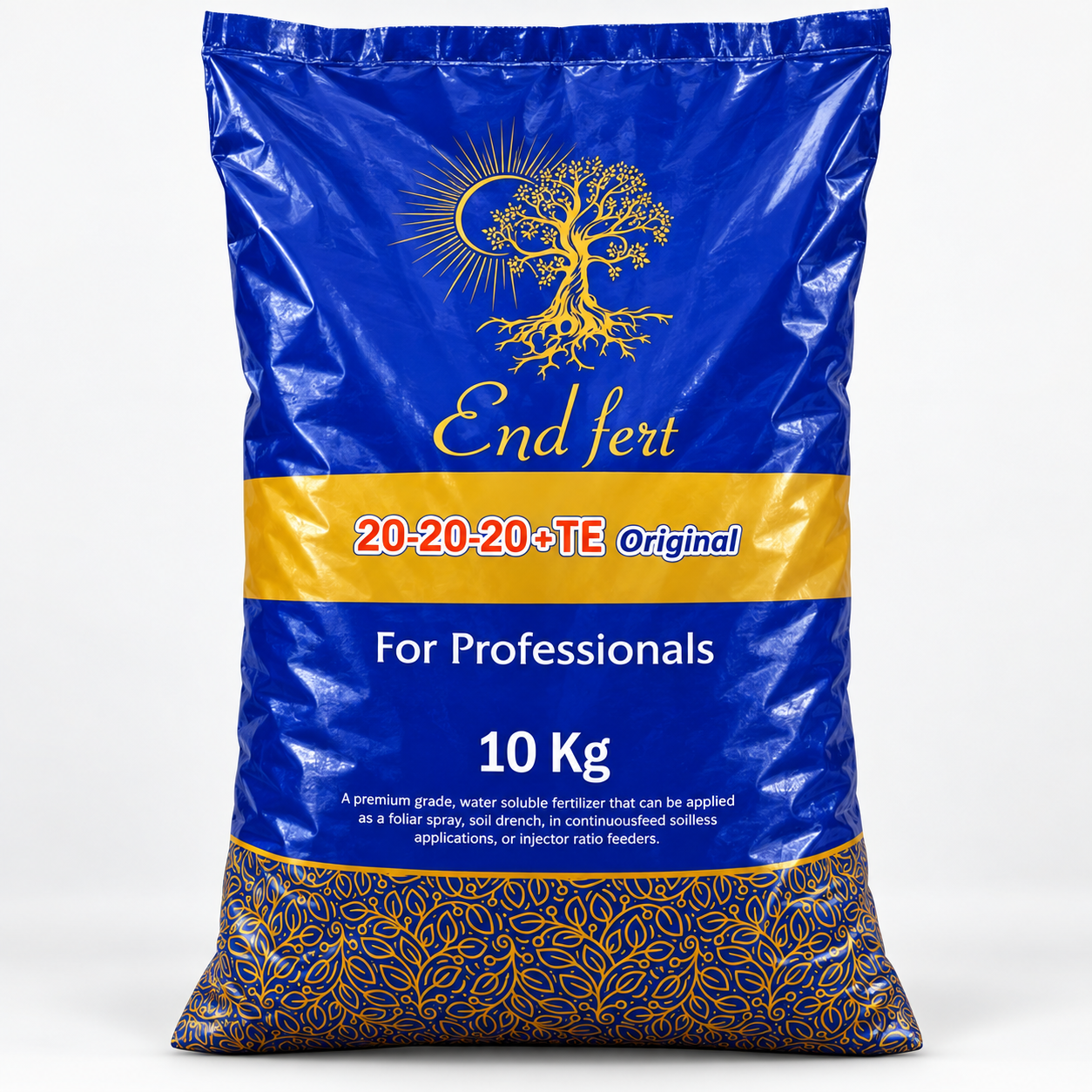
End fert NPK 20-20-20 +TE
N 20% • P₂O₅ 20% • K₂O 20% • TE
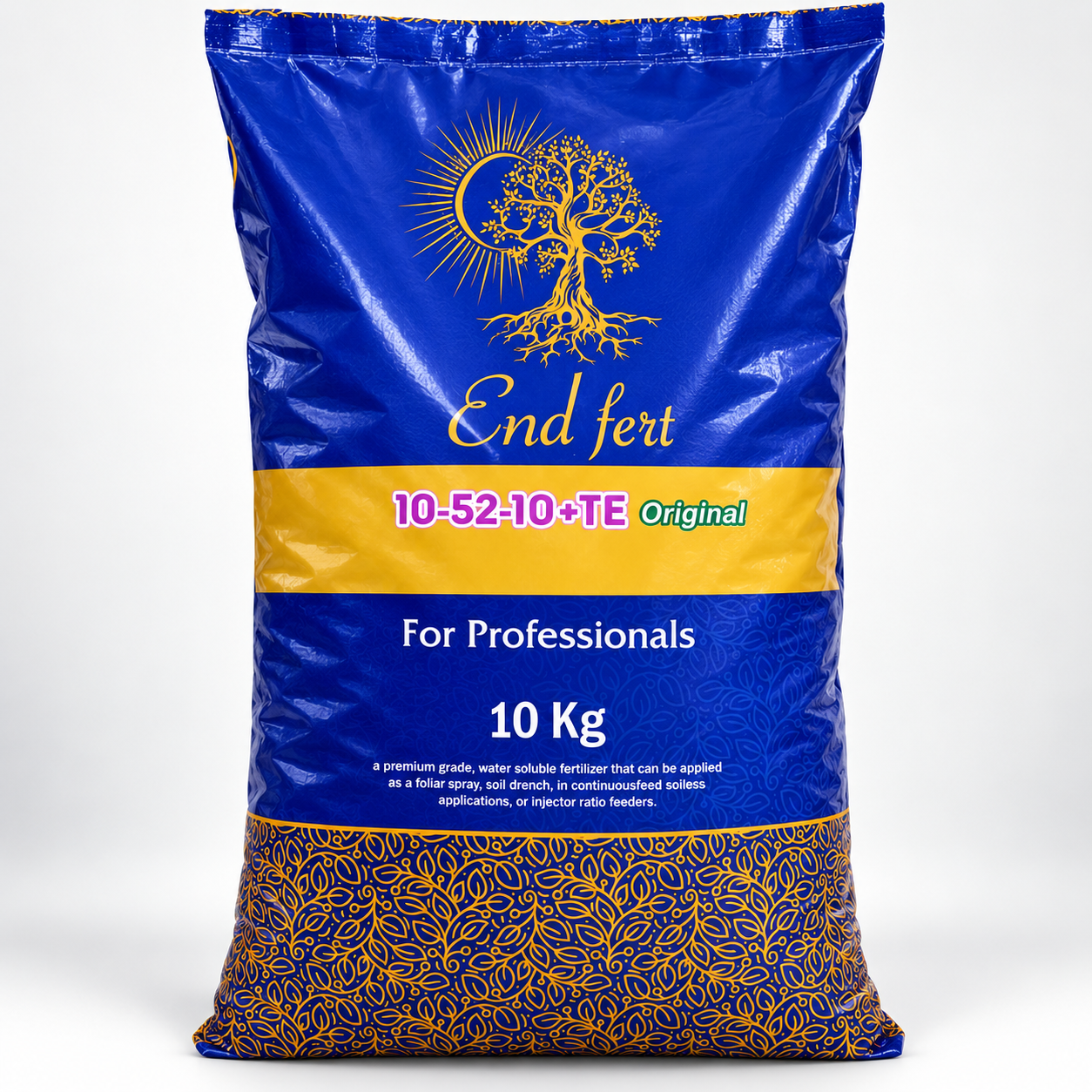
End fert NPK 10-52-10 +TE
N 10% • P₂O₅ 52% • K₂O 10% • TE
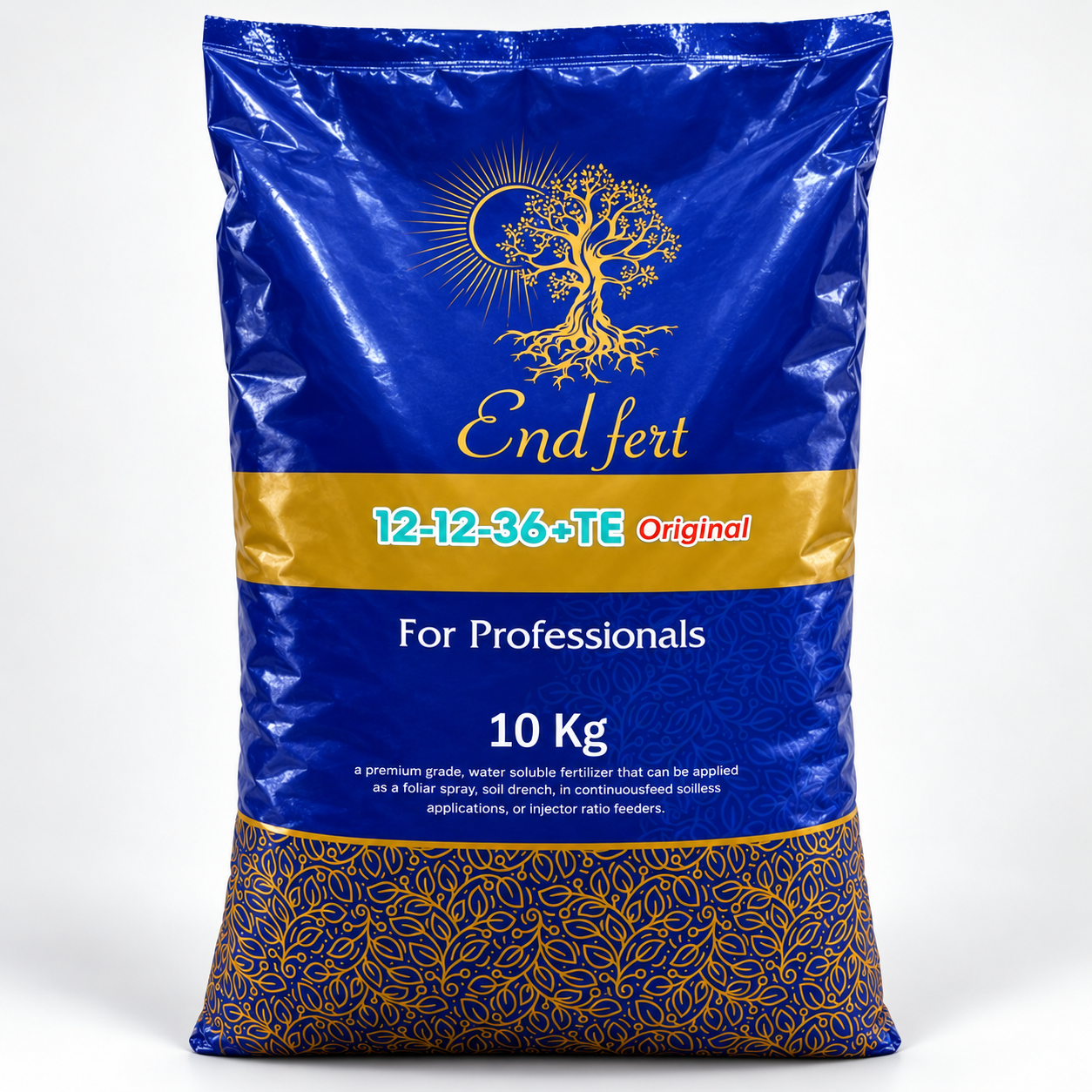
End fert NPK 12-12-36 +TE
N 12% • P₂O₅ 12% • K₂O 36% • TE
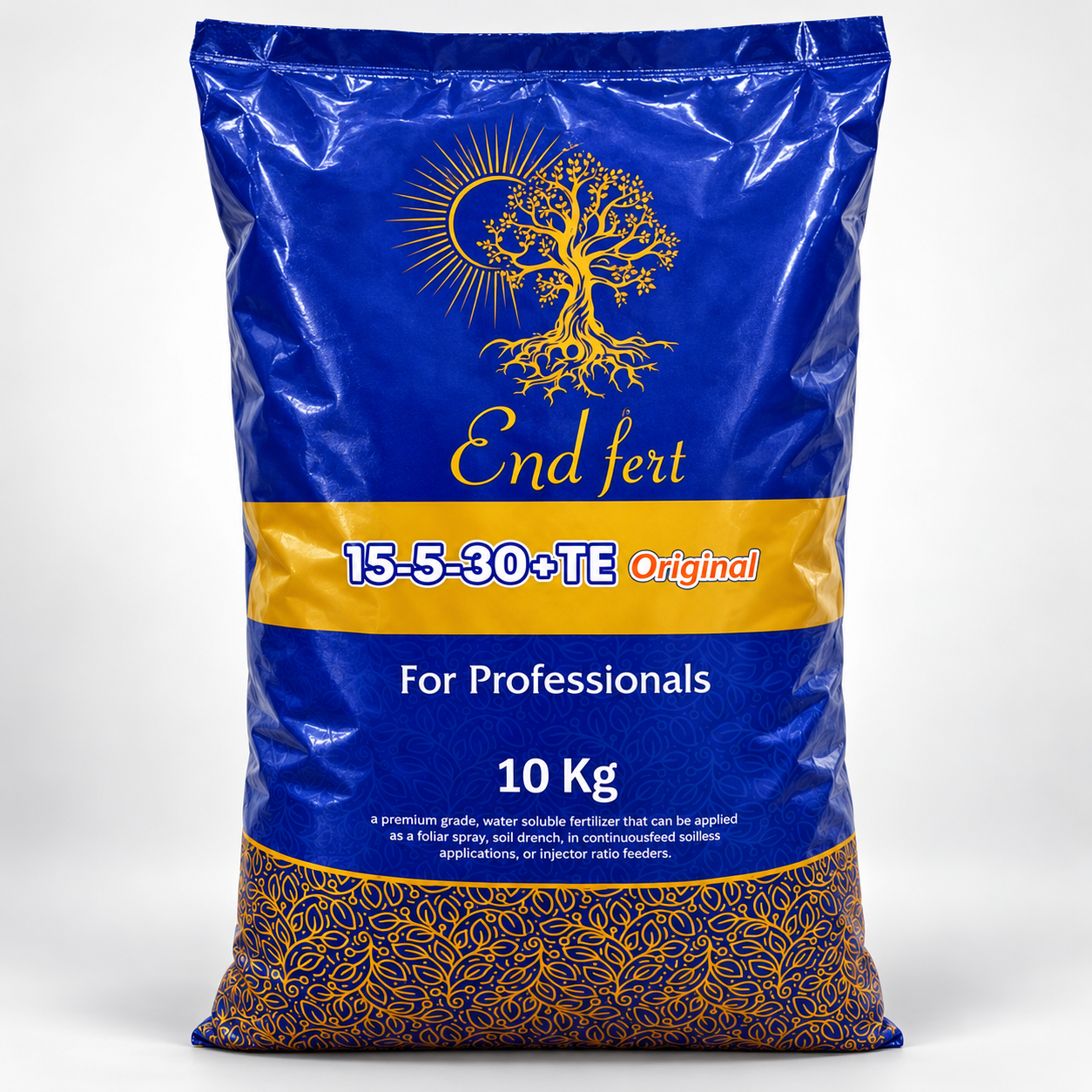
End fert NPK 15-5-30 +TE
N 15% • P₂O₅ 5% • K₂O 30% • TE
Endfert NPK 10-10-40 +TE
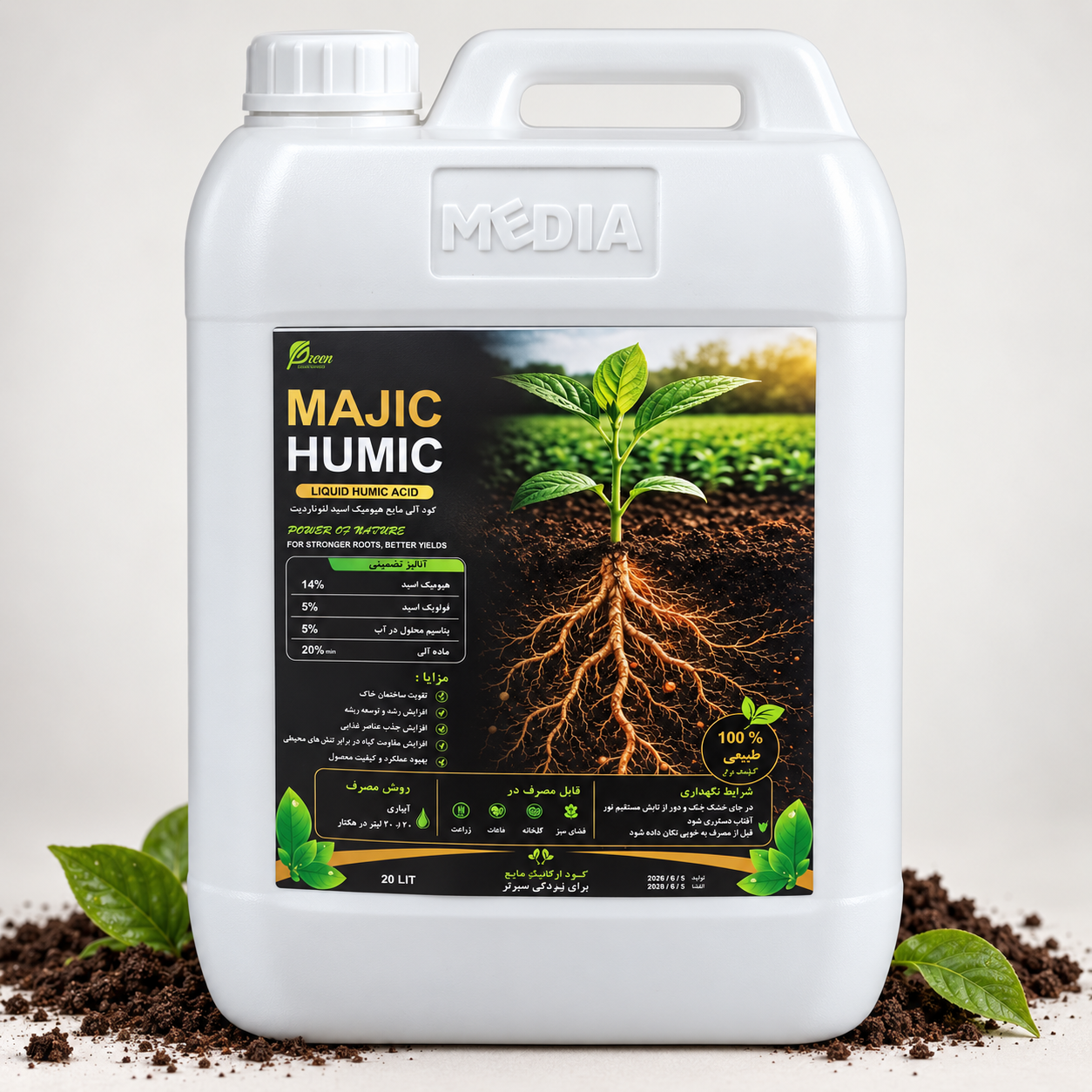
Magic Liquid Humic Fertilizer
Humic acid 14% • Fulvic acid 5% • Water-soluble K₂O 5% • Organic matter ≥ 20%