
Pumpkin Cultivation Guide in Afghanistan
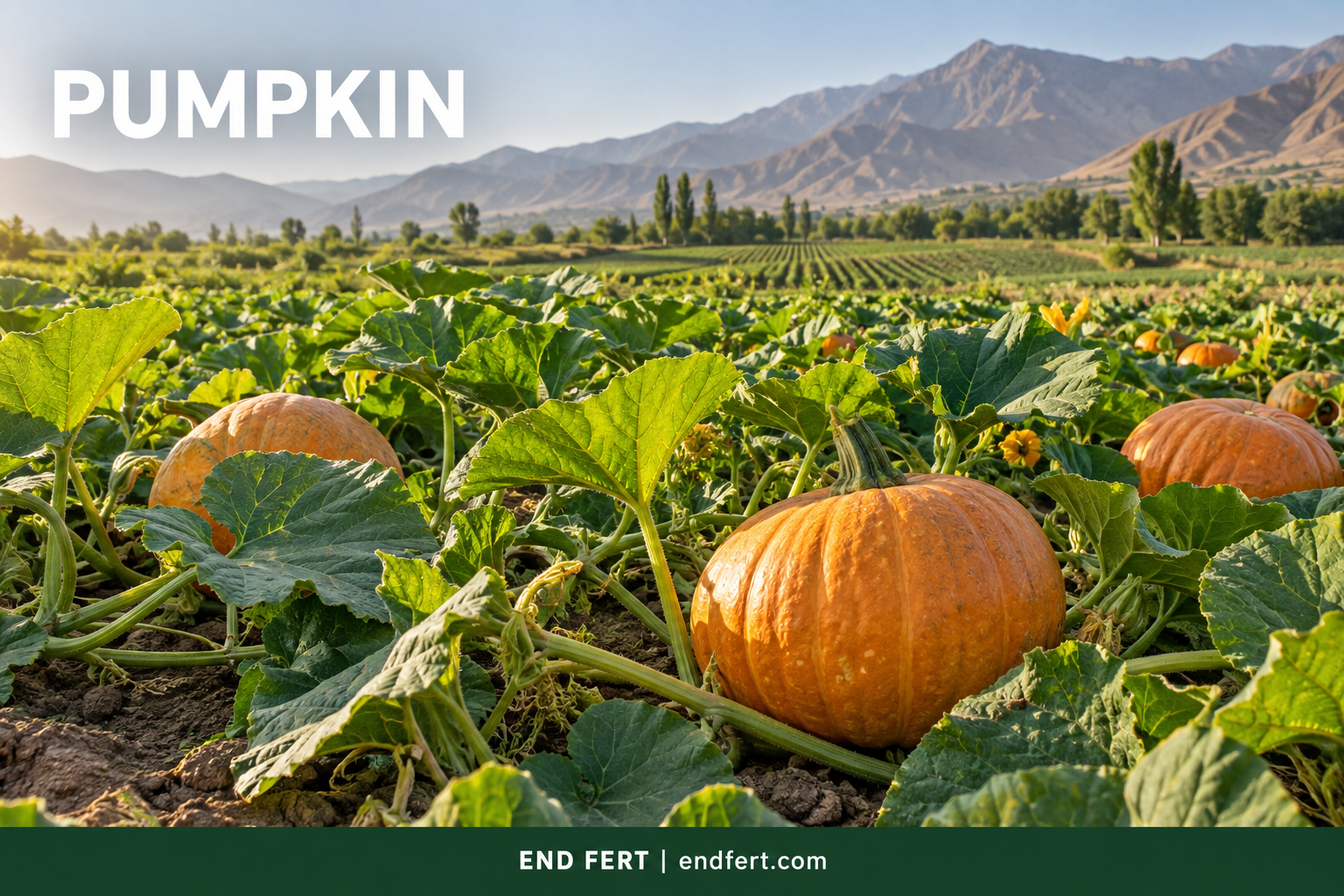
Practical pumpkin production guide for Afghanistan: climate, soil, irrigation, stage-based nutrition, deficiencies, pests, diseases and harvest.
Introduction and importance
Pumpkin is an important vegetable whose quality depends on healthy seed or transplants, uniform growth and timely harvest.
Suitable climate and soil
Suitable for a warm frost-free season and fertile well-drained soil. Test soil and water before planting.
Land preparation and planting
Use healthy seed or vigorous transplants at suitable spacing; match date, depth and population to variety and location.
Irrigation management
Maintain even moisture; flowering, fruit set and fruit growth is most sensitive, and drought or waterlogging reduces quality.
Stage-based nutrition
Use basal phosphorus, balanced nitrogen and adequate potassium from fruit set. Set final rates only from soil and water tests.
- Stage 1: نشاکاری یا سبزشدنAdjust nutrition to crop demand and laboratory soil and water results. Avoid mixing concentrated fertilizers without a compatibility test.
- Stage 2: رشد رویشیAdjust nutrition to crop demand and laboratory soil and water results. Avoid mixing concentrated fertilizers without a compatibility test.
- Stage 3: گلدهی و تشکیل محصولAdjust nutrition to crop demand and laboratory soil and water results. Avoid mixing concentrated fertilizers without a compatibility test.
- Stage 4: رشد، برداشت و تداوم باردهیAdjust nutrition to crop demand and laboratory soil and water results. Avoid mixing concentrated fertilizers without a compatibility test.
Nutrient deficiencies
Diagnose deficiencies from symptom pattern, affected leaf age, root condition and laboratory analysis. Similar symptoms may also result from salinity, waterlogging, cold or root disease.
Pests and diseases
Key pests are aphids, whiteflies, mites and fruit flies; scout and use integrated management. Key diseases are mildews, mosaic viruses and fruit rots; use healthy seed, rotation, drainage and sanitation.
Harvest and storage
Harvest after rind hardens and stem dries, retaining part of the stem, then grade and cool promptly.
Frequently asked questions
What is the best fertilizer for Pumpkin?
There is no single universal formula. The correct choice depends on soil and water analysis, crop stage and yield target.
Products Endfert
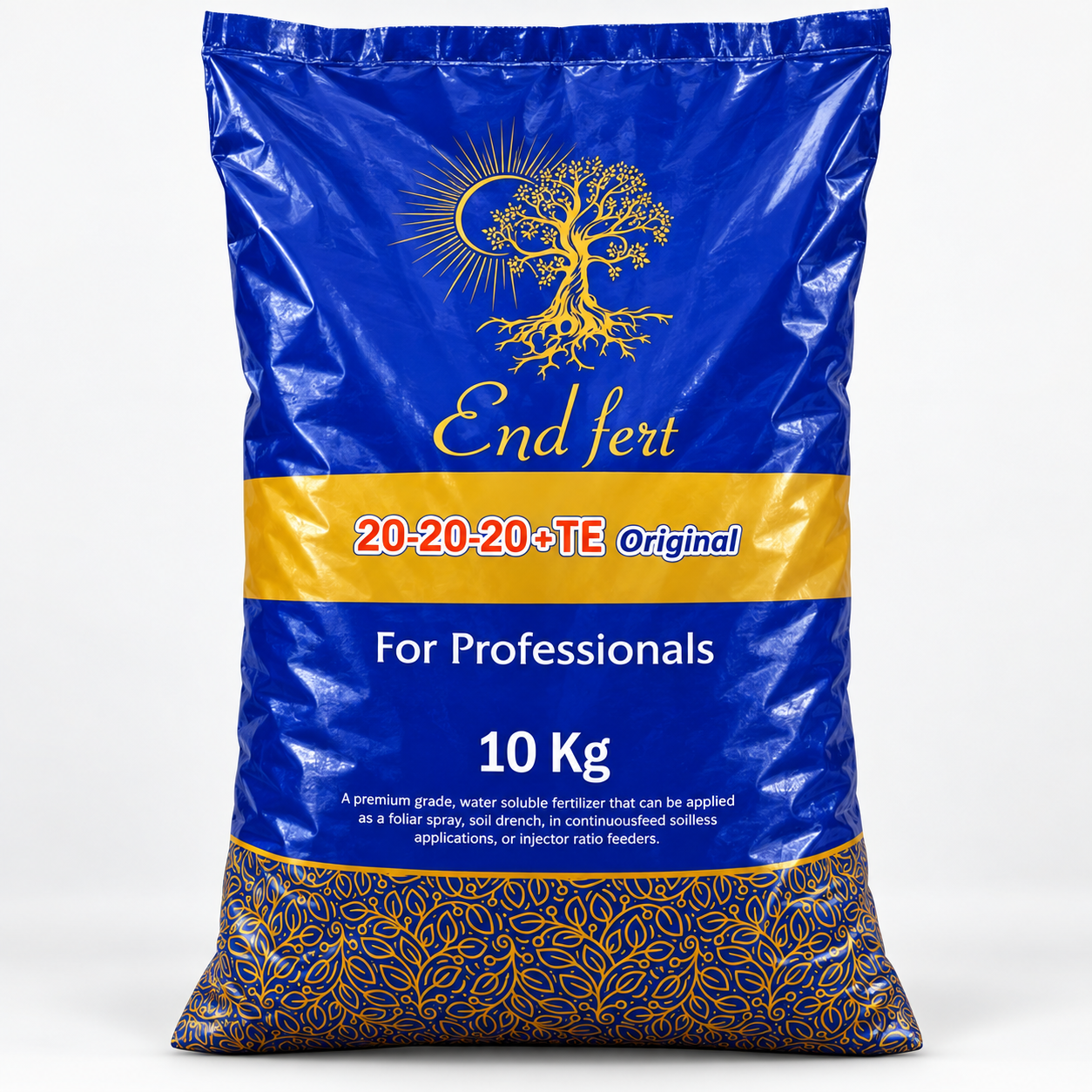
End fert NPK 20-20-20 +TE
N 20% • P₂O₅ 20% • K₂O 20% • TE
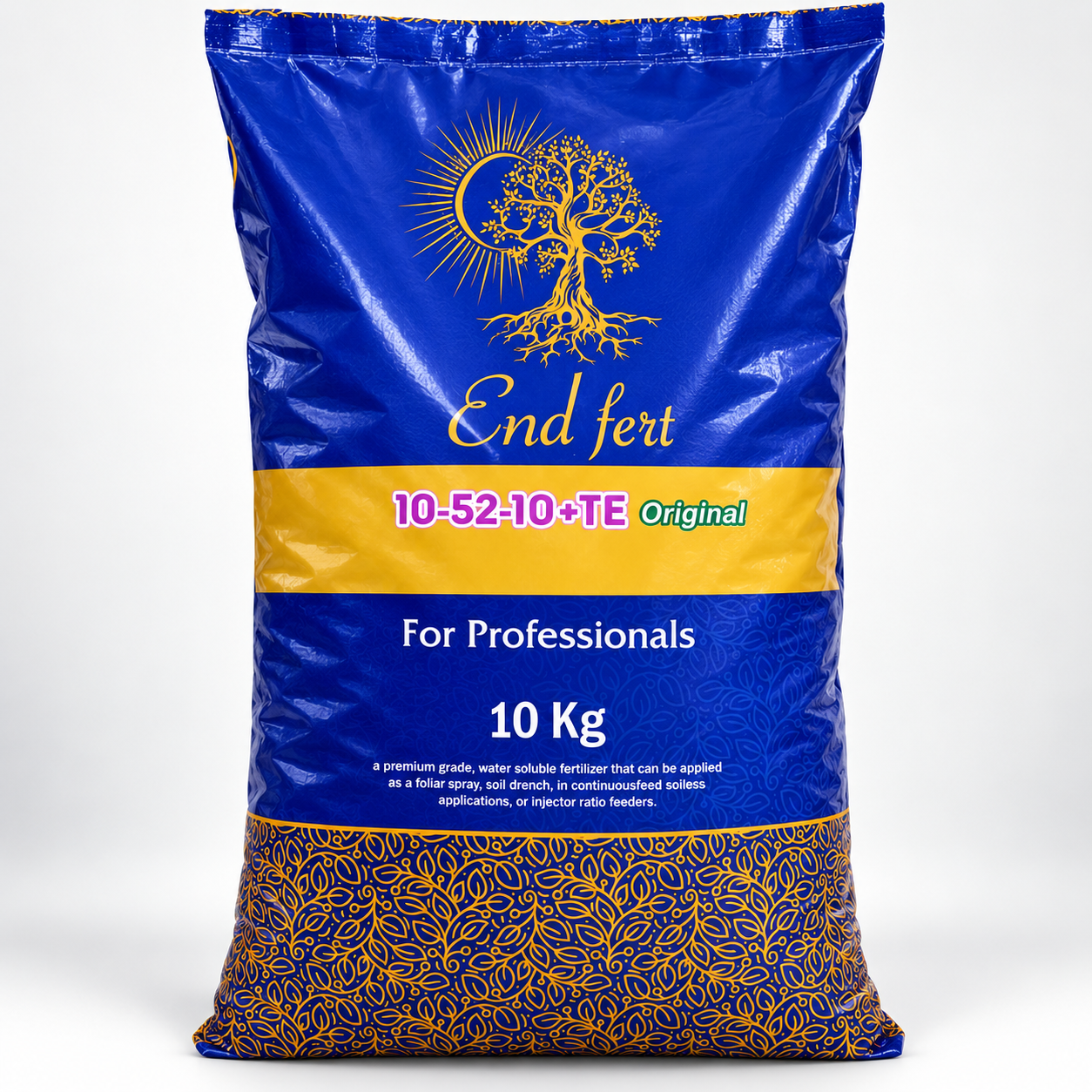
End fert NPK 10-52-10 +TE
N 10% • P₂O₅ 52% • K₂O 10% • TE
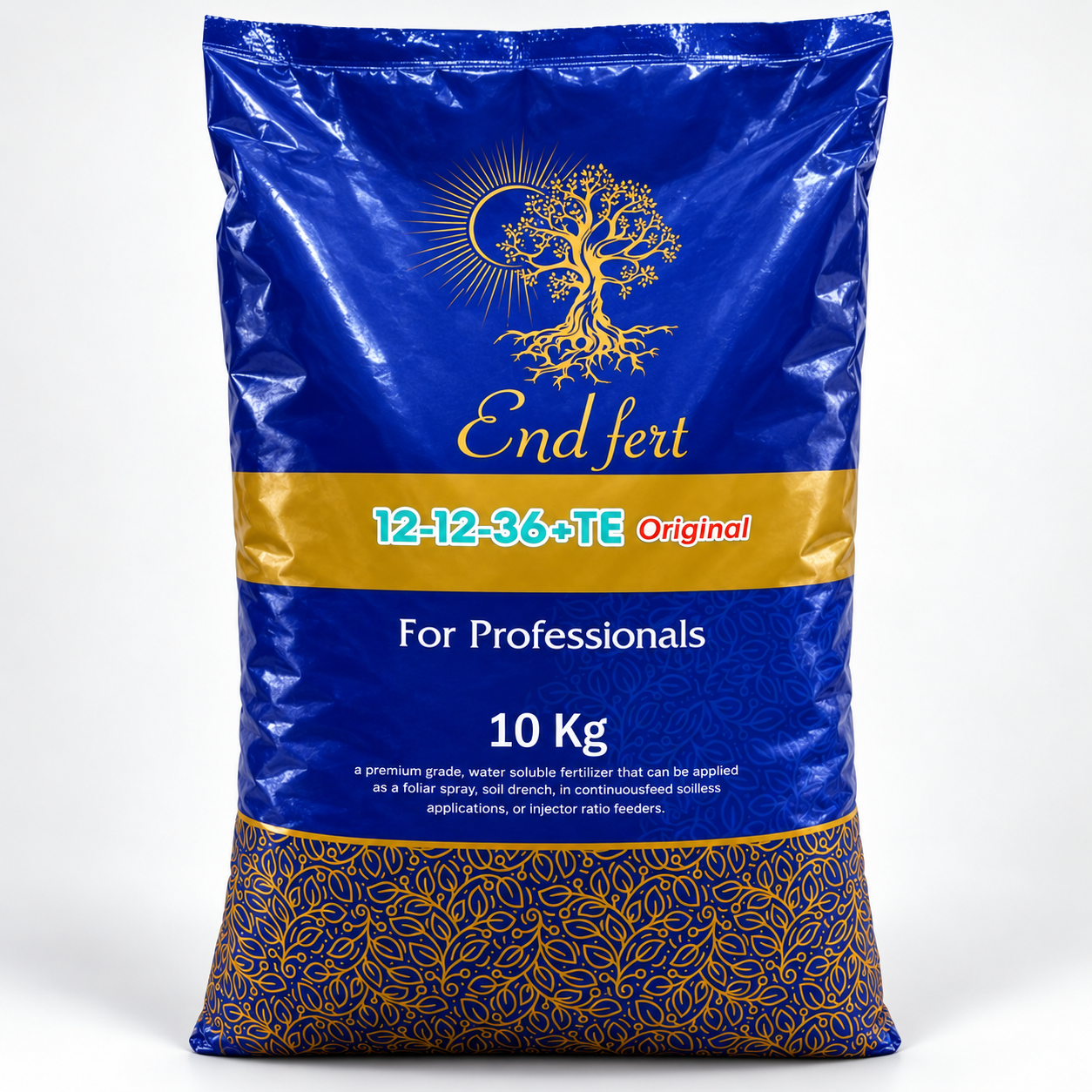
End fert NPK 12-12-36 +TE
N 12% • P₂O₅ 12% • K₂O 36% • TE
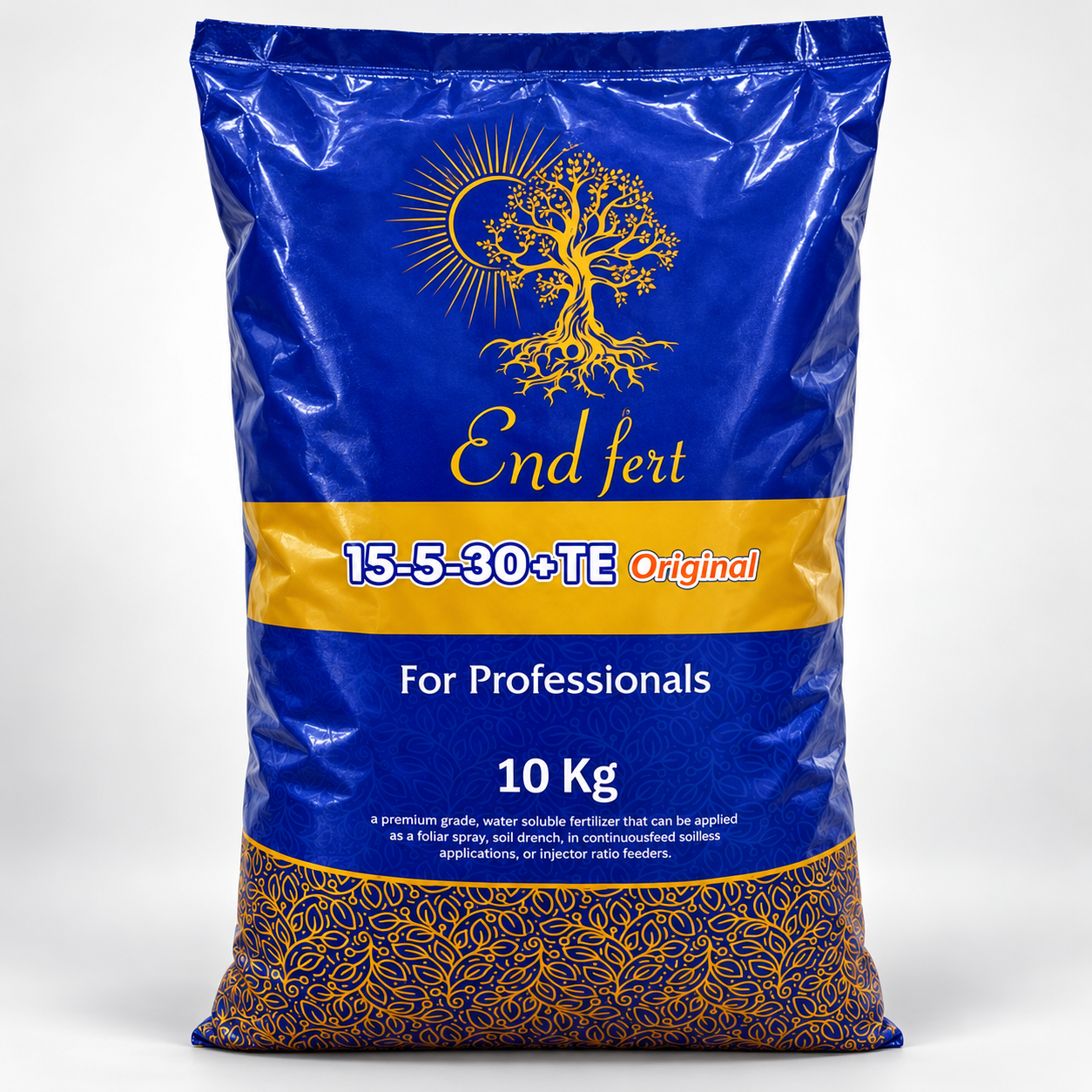
End fert NPK 15-5-30 +TE
N 15% • P₂O₅ 5% • K₂O 30% • TE
Endfert NPK 10-10-40 +TE
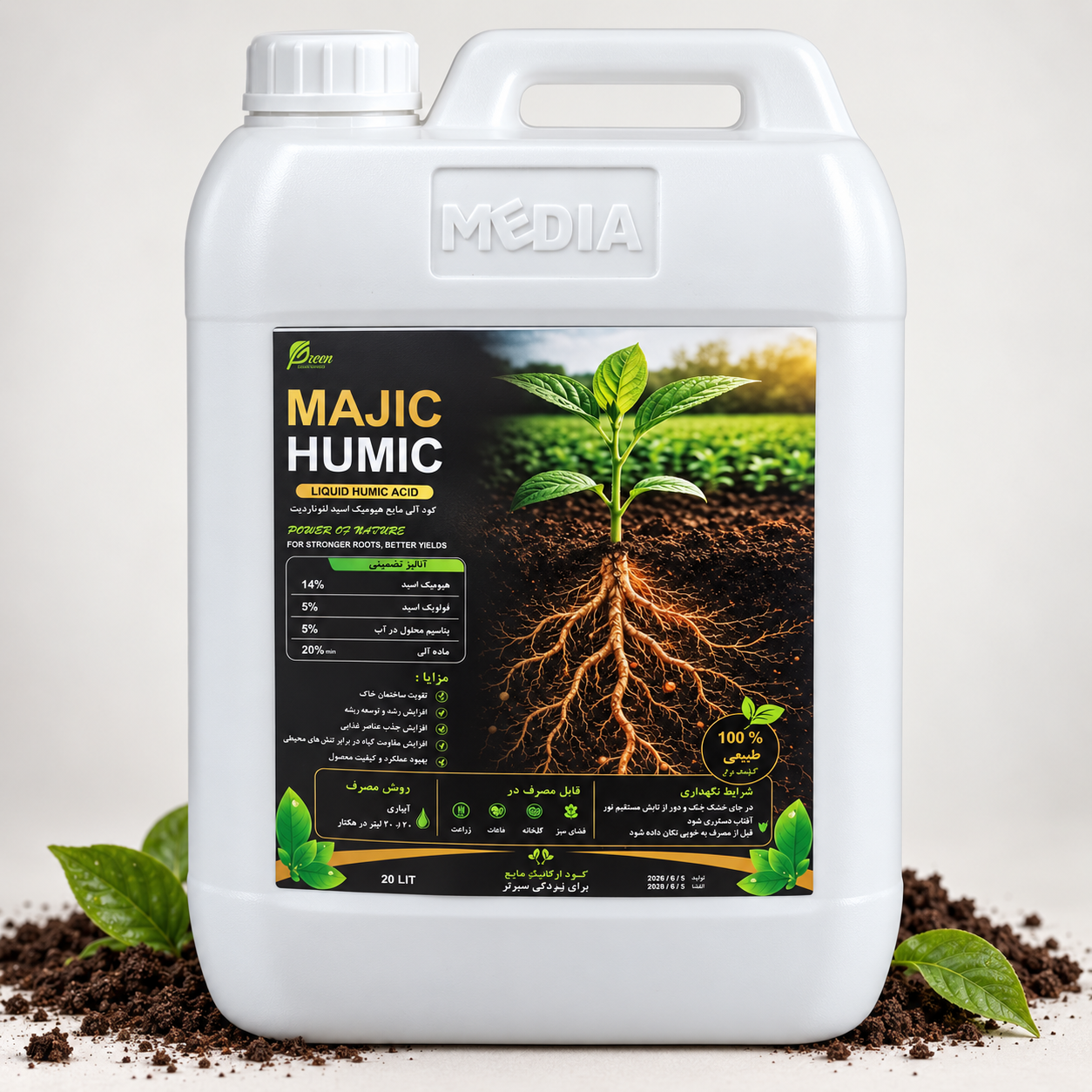
Magic Liquid Humic Fertilizer
Humic acid 14% • Fulvic acid 5% • Water-soluble K₂O 5% • Organic matter ≥ 20%