
Pomegranate Cultivation Guide in Afghanistan
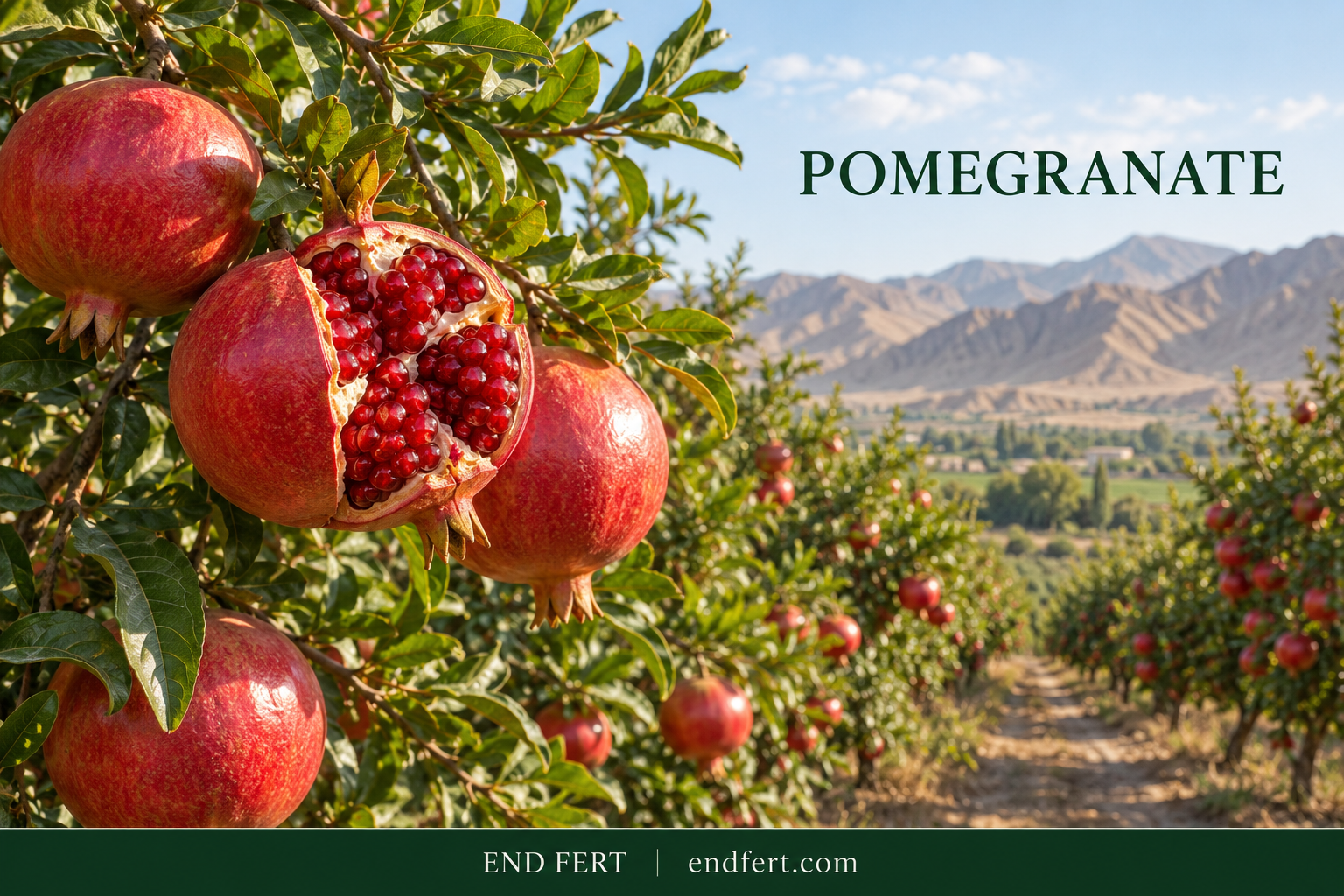
Practical pomegranate production guide for Afghanistan: climate, soil, irrigation, stage-based nutrition, deficiencies, pests, diseases and harvest.
Introduction and importance
Afghan pomegranate has high fresh-market value. Managing fruit cracking, sunburn and carob moth is essential for exportable quality.
Suitable climate and soil
Hot dry summers and cool winters are favorable. Select deep well-drained soil and avoid severely saline or waterlogged sites.
Land preparation and planting
Plant healthy true-to-type trees, retain a few strong trunks and remove suckers regularly. Spacing should provide light and air movement.
Irrigation management
Uniform moisture from flowering to maturity is critical; prolonged drought followed by heavy irrigation is a major cause of cracking.
Stage-based nutrition
Use tested organic matter and basal phosphorus, split nitrogen early, emphasize potassium during fruit growth and color, and correct calcium or micronutrients from evidence.
- Stage 1: خواب و پیش از تورم جوانهAdjust nutrition to crop demand and laboratory soil and water results. Avoid mixing concentrated fertilizers without a compatibility test.
- Stage 2: رشد بهاره و پیش از گلAdjust nutrition to crop demand and laboratory soil and water results. Avoid mixing concentrated fertilizers without a compatibility test.
- Stage 3: تشکیل و رشد میوهAdjust nutrition to crop demand and laboratory soil and water results. Avoid mixing concentrated fertilizers without a compatibility test.
- Stage 4: پس از برداشت و ذخیرهسازیAdjust nutrition to crop demand and laboratory soil and water results. Avoid mixing concentrated fertilizers without a compatibility test.
Nutrient deficiencies
Diagnose deficiencies from symptom pattern, affected leaf age, root condition and laboratory analysis. Similar symptoms may also result from salinity, waterlogging, cold or root disease.
Pests and diseases
Carob moth, aphids, mites and scales require removal of infested fruit, traps and monitoring. Fruit rots, leaf spots and root rots decline with drainage, canopy pruning, removal of diseased fruit and wound prevention.
Harvest and storage
Clip fully colored and sized fruit before cracking, retain the crown and pack in ventilated containers.
Frequently asked questions
What is the best fertilizer for Pomegranate?
There is no single universal formula. The correct choice depends on soil and water analysis, crop stage and yield target.
Products Endfert
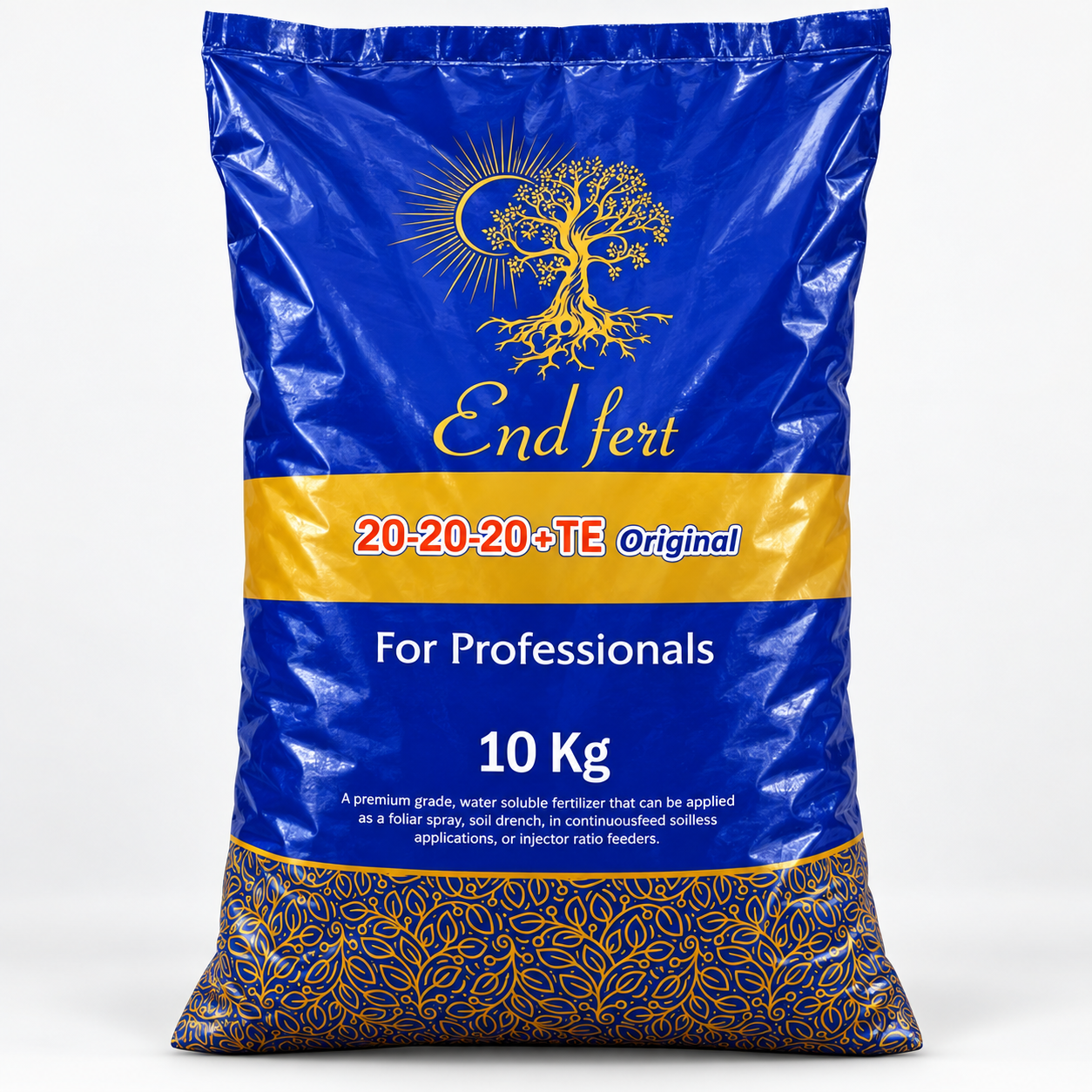
End fert NPK 20-20-20 +TE
N 20% • P₂O₅ 20% • K₂O 20% • TE
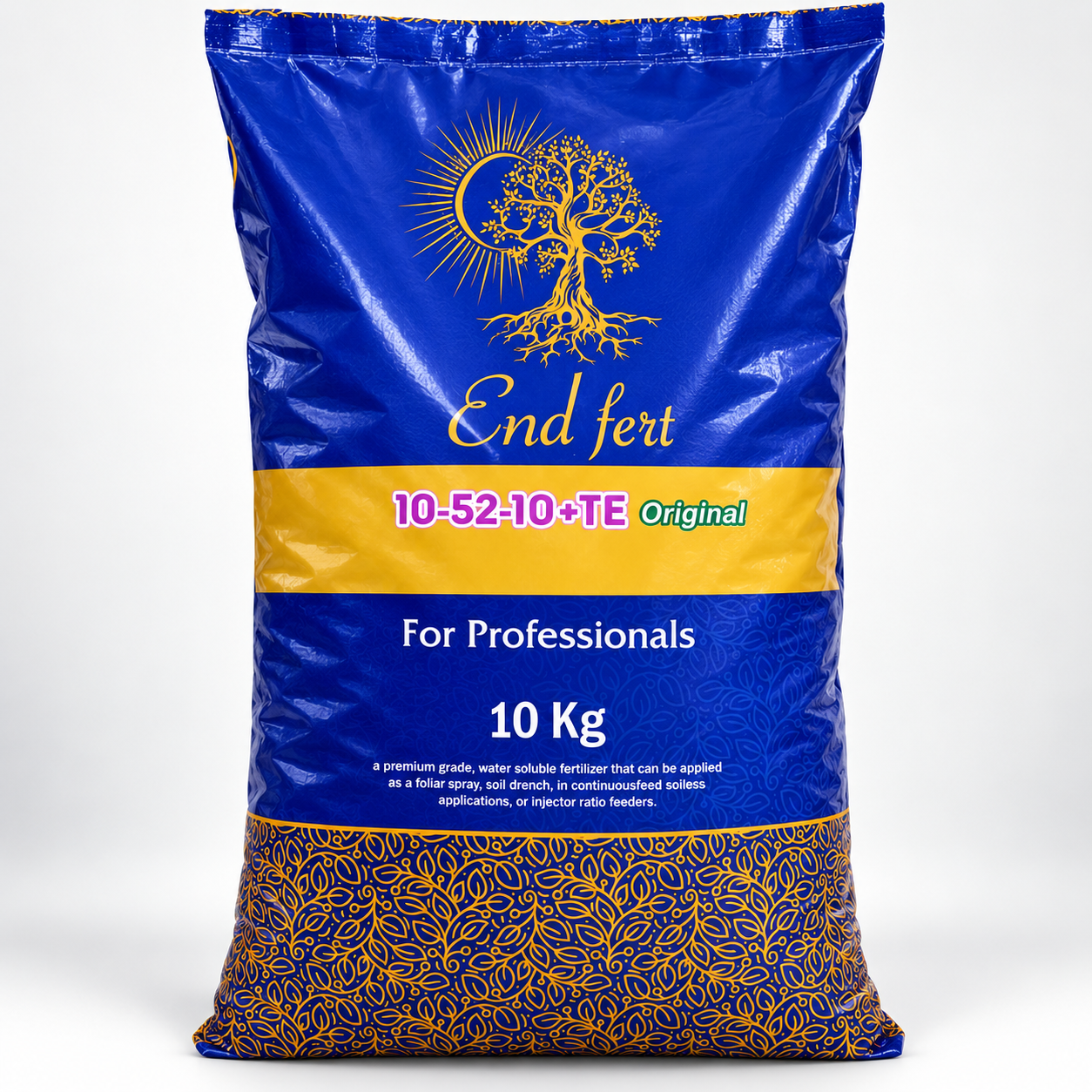
End fert NPK 10-52-10 +TE
N 10% • P₂O₅ 52% • K₂O 10% • TE
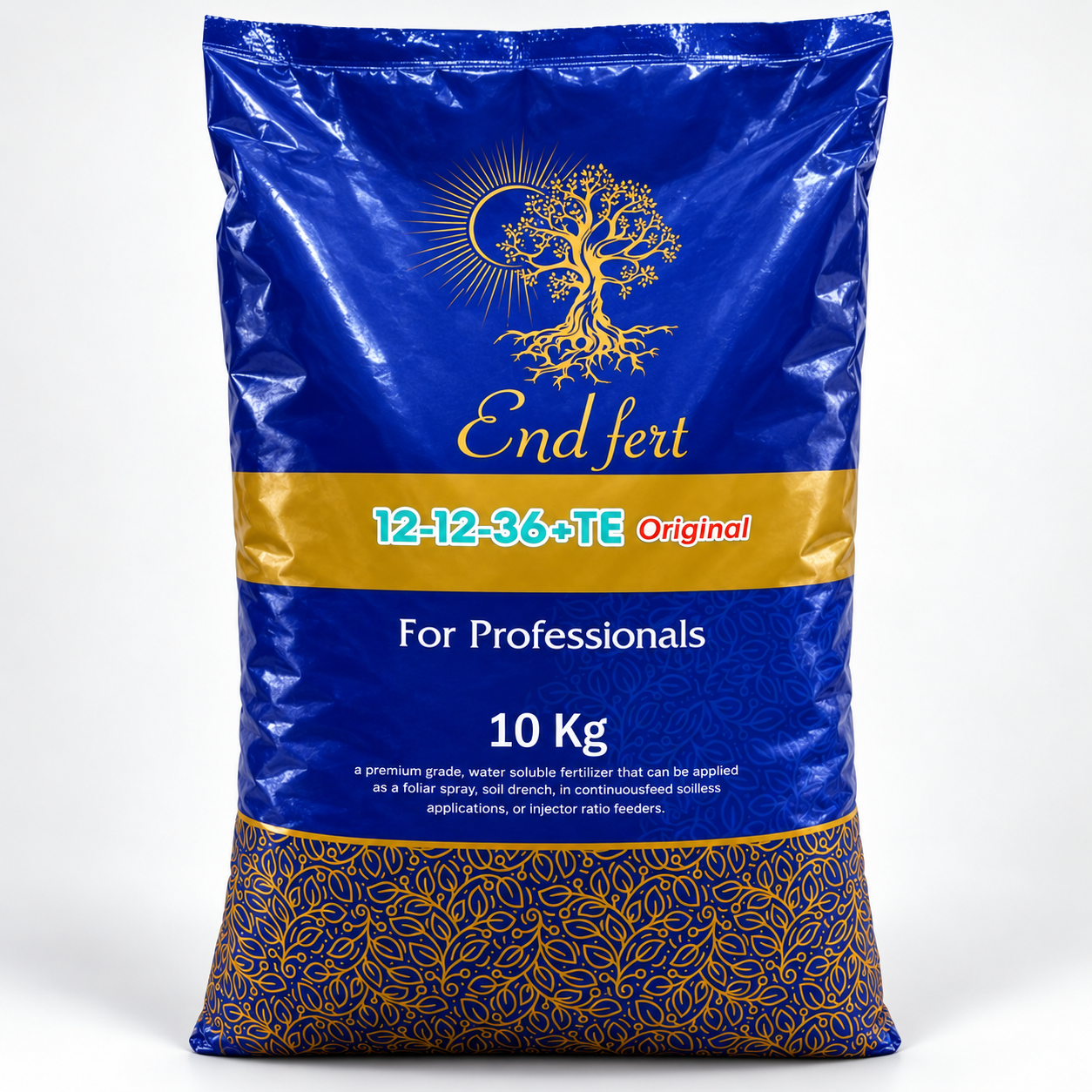
End fert NPK 12-12-36 +TE
N 12% • P₂O₅ 12% • K₂O 36% • TE
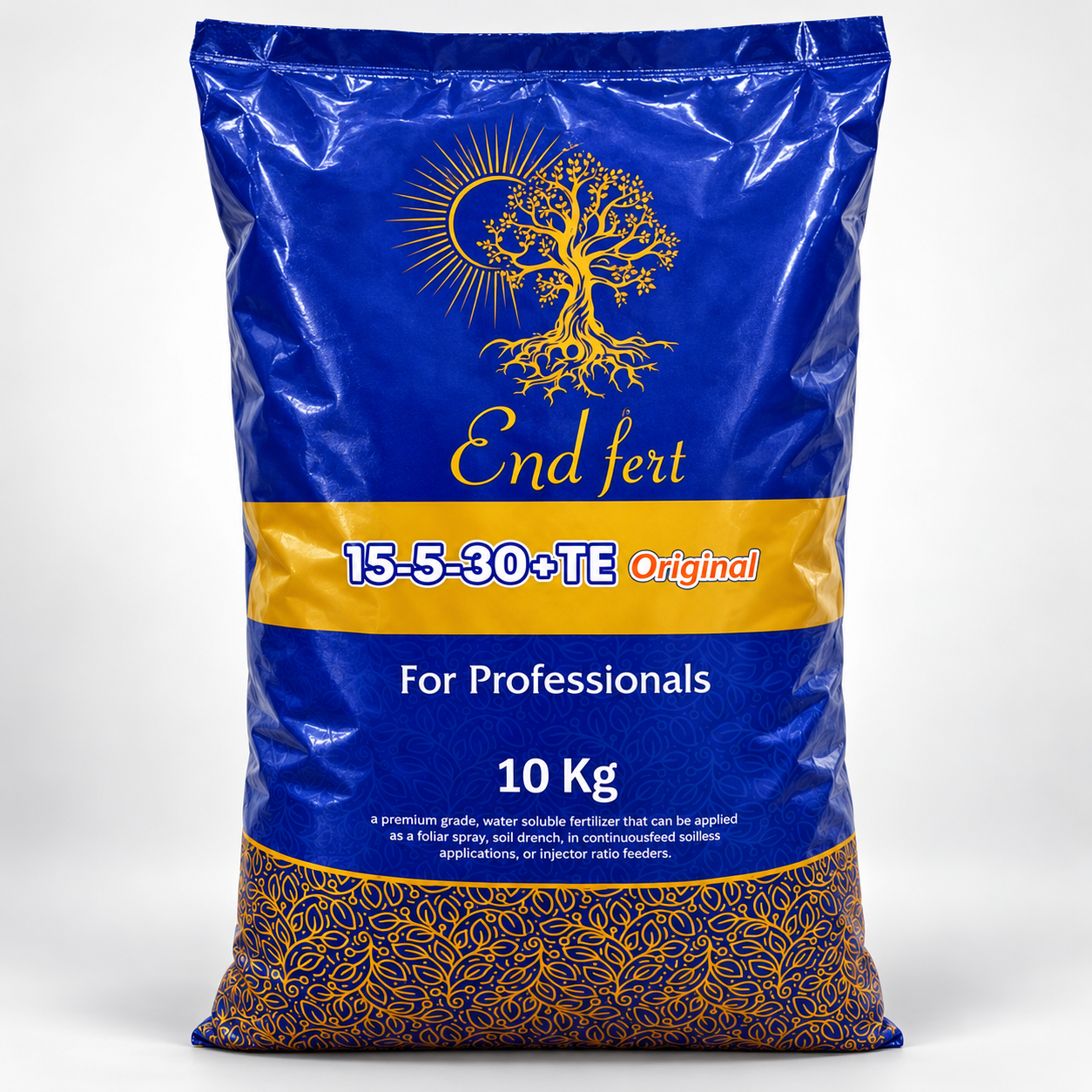
End fert NPK 15-5-30 +TE
N 15% • P₂O₅ 5% • K₂O 30% • TE
Endfert NPK 10-10-40 +TE
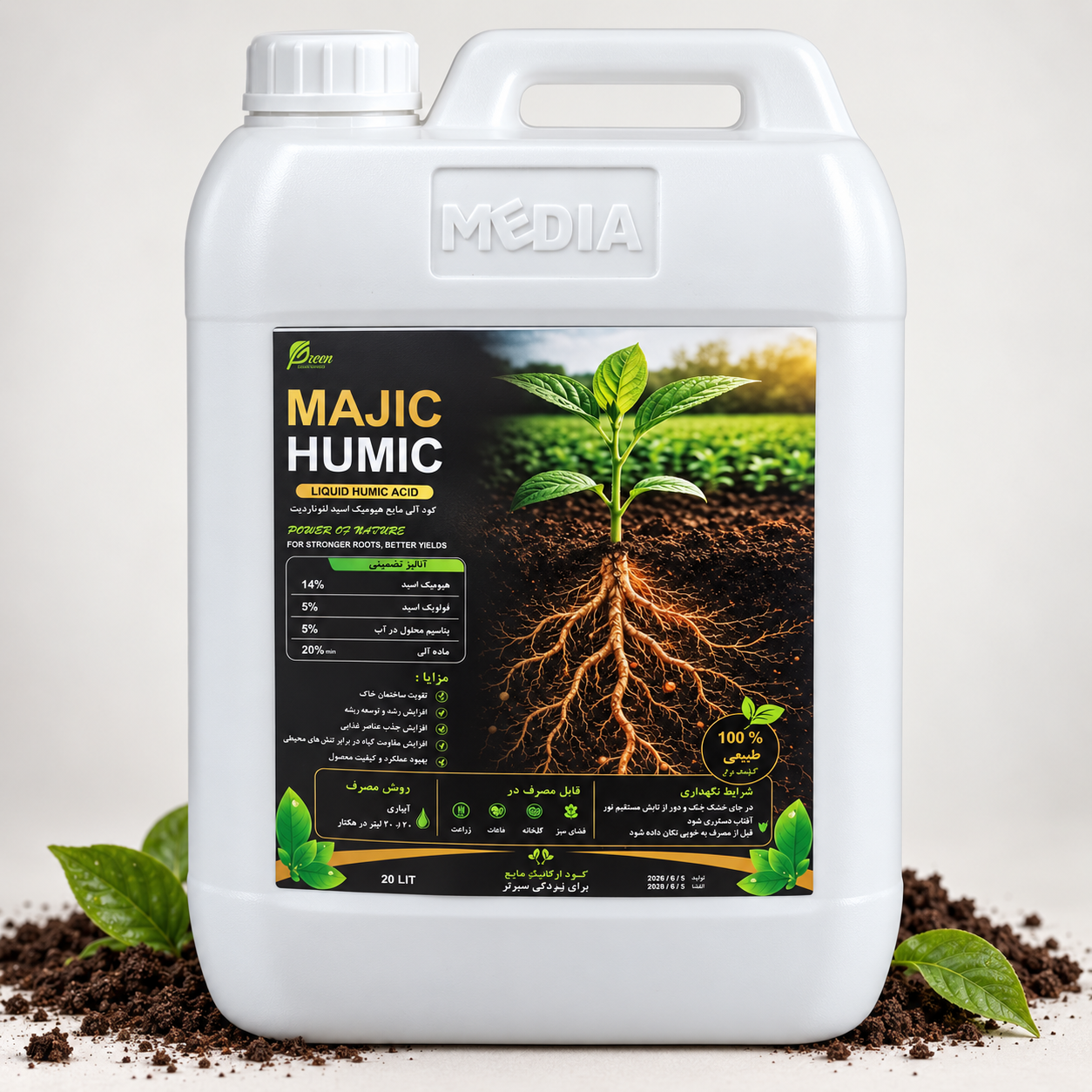
Magic Liquid Humic Fertilizer
Humic acid 14% • Fulvic acid 5% • Water-soluble K₂O 5% • Organic matter ≥ 20%