
Millet Cultivation Guide in Afghanistan
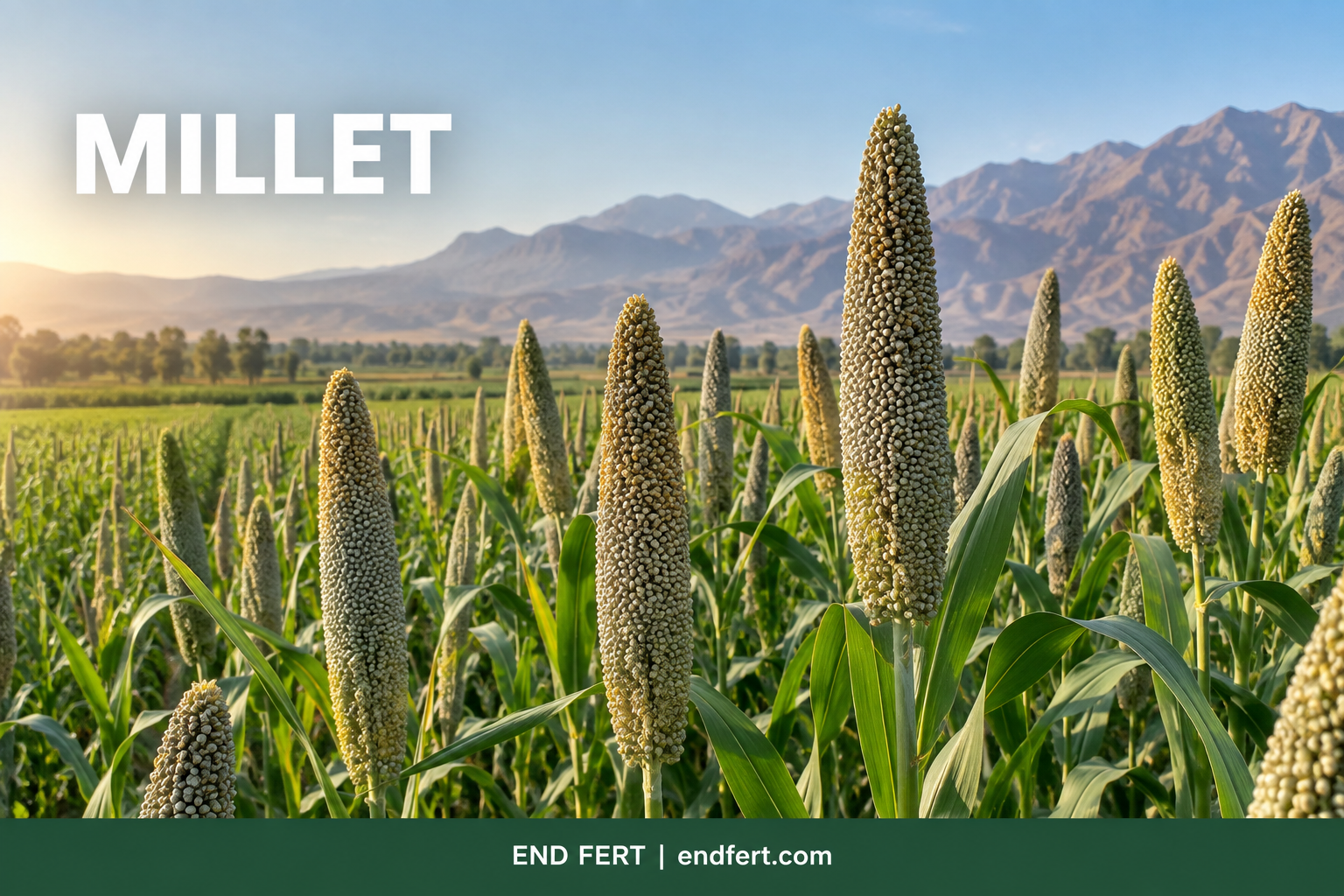
Practical millet production guide for Afghanistan: climate, soil, irrigation, stage-based nutrition, deficiencies, pests, diseases and harvest.
Introduction and importance
Millet is a short-season heat- and drought-tolerant cereal important for dry areas and lighter soils. Rapid emergence and early weed control underpin success.
Suitable climate and soil
Warm weather, strong light and well-drained light-to-loam soil are preferred. Choose variety and planting date so flowering avoids early cold.
Land preparation and planting
Sow small healthy seed shallowly and uniformly in a fine but firm seedbed. Deep placement and soil crusting reduce emergence.
Irrigation management
Provide moisture for emergence and avoid severe stress at tillering, flowering and grain filling. Efficient light irrigation is preferable to waterlogging.
Stage-based nutrition
Apply basal phosphorus and moderate nitrogen at establishment and early growth; add potassium in deficient soils from test results. Excess nitrogen promotes lodging and delayed maturity.
- Stage 1: آمادهسازی زمین و بذرAdjust nutrition to crop demand and laboratory soil and water results. Avoid mixing concentrated fertilizers without a compatibility test.
- Stage 2: استقرار و پنجهزنیAdjust nutrition to crop demand and laboratory soil and water results. Avoid mixing concentrated fertilizers without a compatibility test.
- Stage 3: رشد رویشی و ساقهرویAdjust nutrition to crop demand and laboratory soil and water results. Avoid mixing concentrated fertilizers without a compatibility test.
- Stage 4: گلدهی و دانهبندیAdjust nutrition to crop demand and laboratory soil and water results. Avoid mixing concentrated fertilizers without a compatibility test.
Nutrient deficiencies
Diagnose deficiencies from symptom pattern, affected leaf age, root condition and laboratory analysis. Similar symptoms may also result from salinity, waterlogging, cold or root disease.
Pests and diseases
Manage birds, grasshoppers, aphids and leaf-feeding caterpillars through scouting, coordinated planting and integrated controls. Downy mildew, ergot, smuts and blast are reduced by clean seed, resistant varieties, rotation and removal of infected panicles.
Harvest and storage
Harvest when most panicles are mature and grain is firm, before excessive shattering; dry and thresh gently.
Frequently asked questions
What is the best fertilizer for Millet?
There is no single universal formula. The correct choice depends on soil and water analysis, crop stage and yield target.
Products Endfert
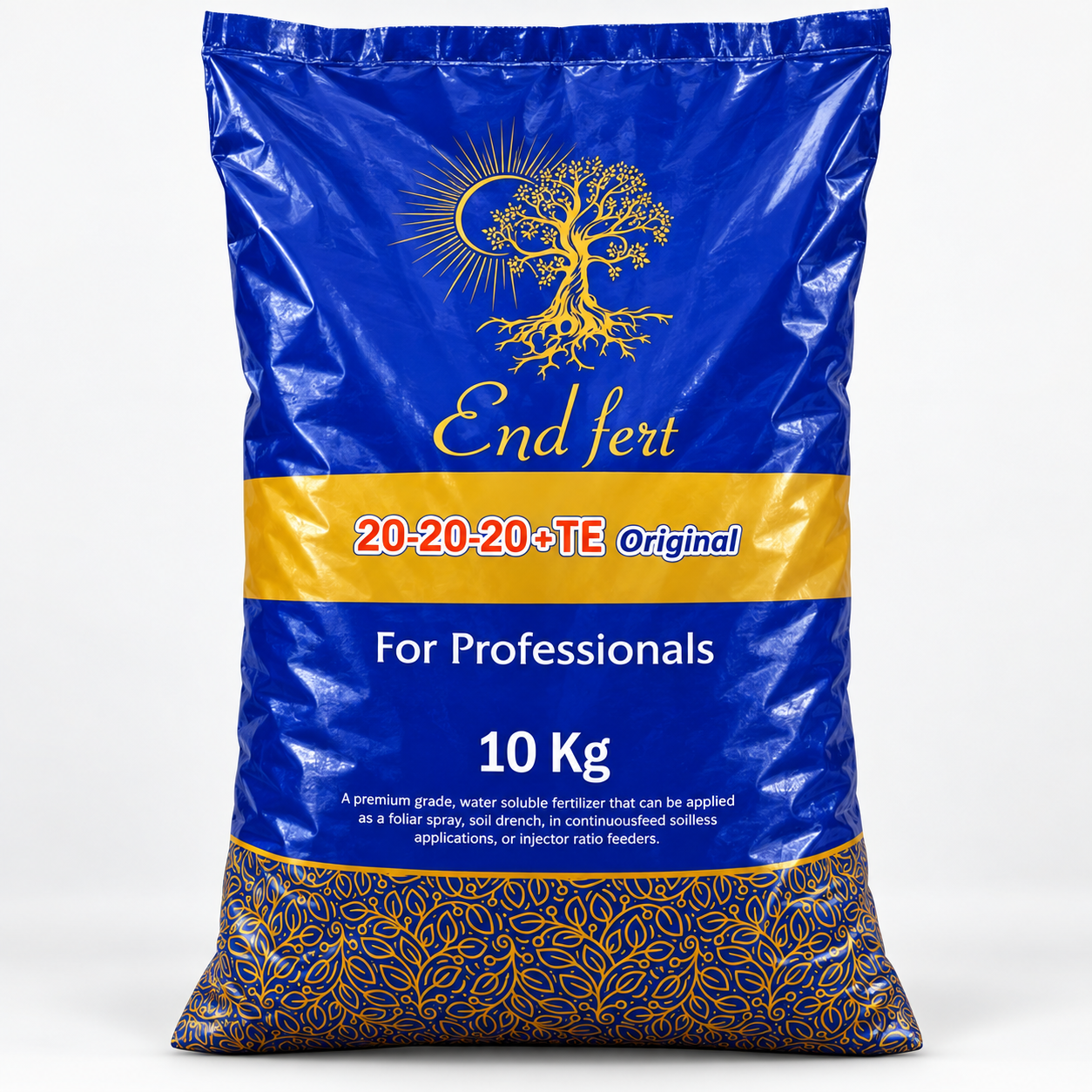
End fert NPK 20-20-20 +TE
N 20% • P₂O₅ 20% • K₂O 20% • TE
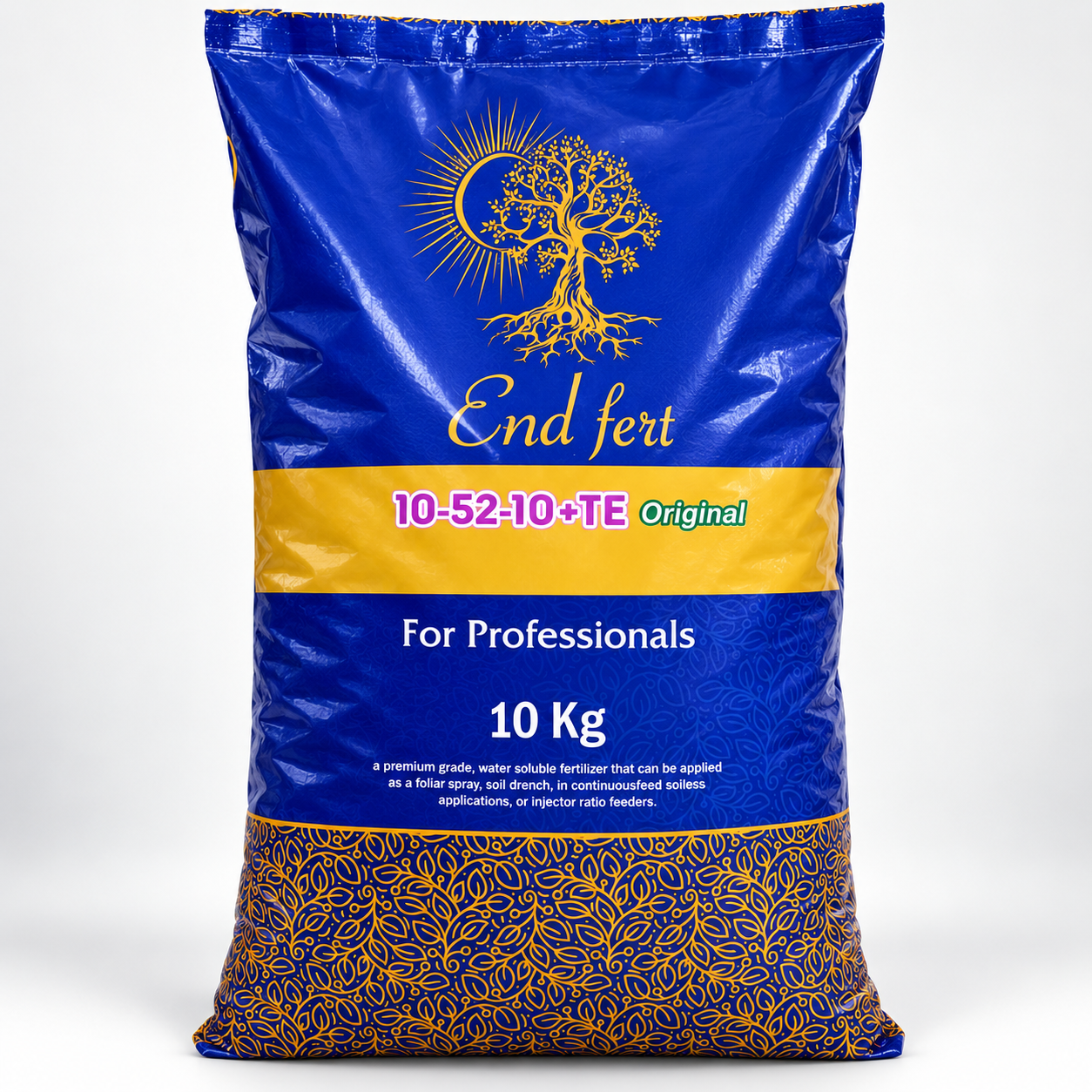
End fert NPK 10-52-10 +TE
N 10% • P₂O₅ 52% • K₂O 10% • TE
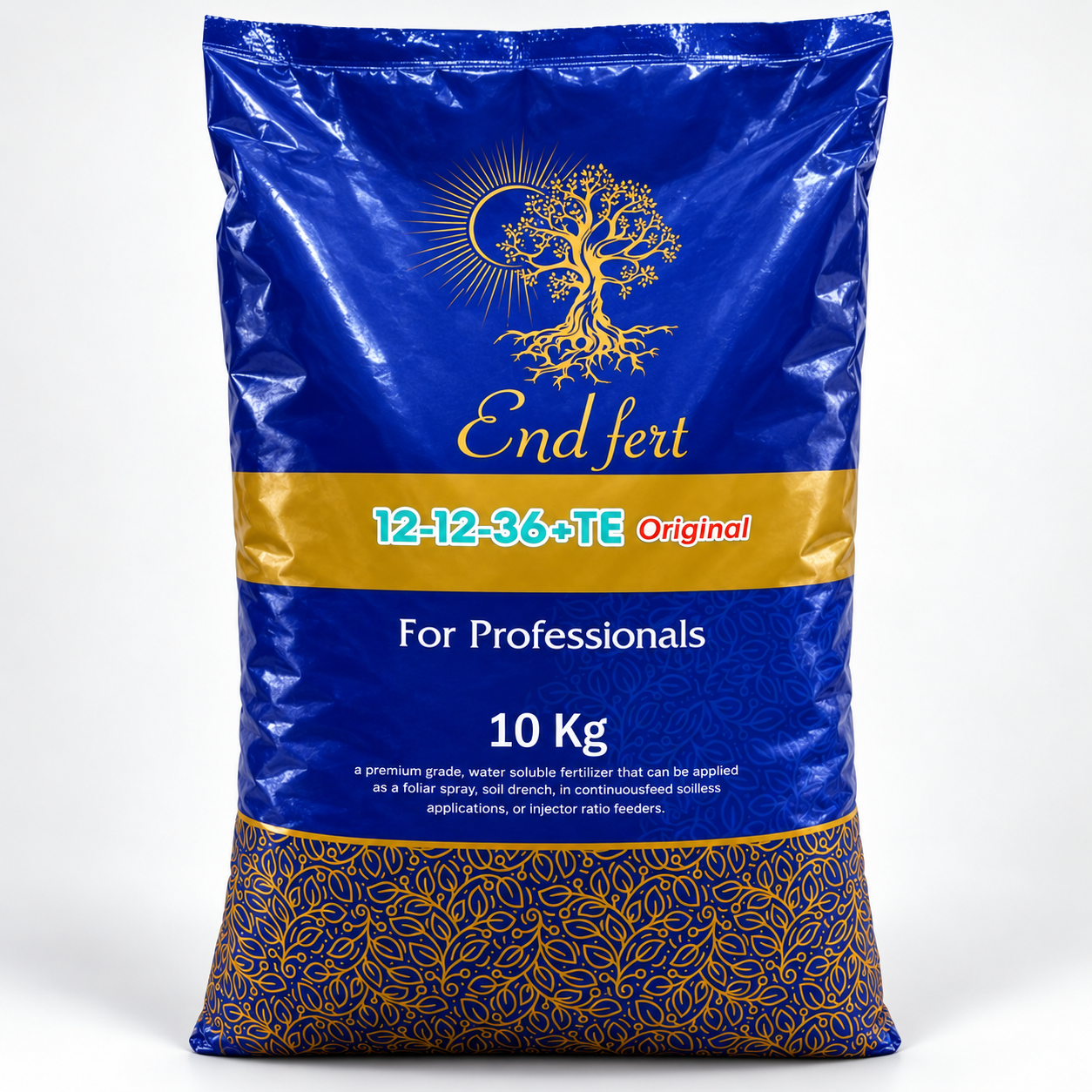
End fert NPK 12-12-36 +TE
N 12% • P₂O₅ 12% • K₂O 36% • TE
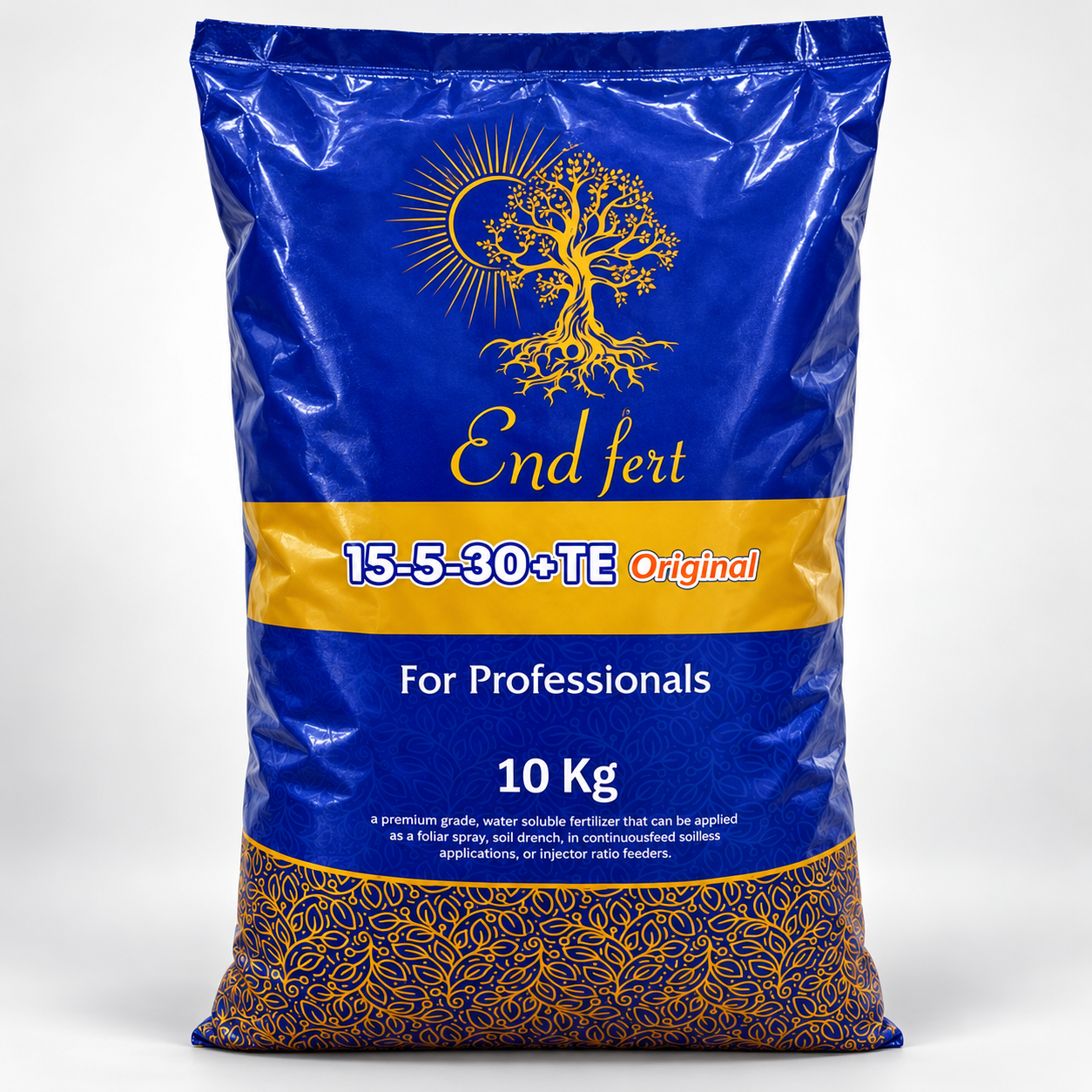
End fert NPK 15-5-30 +TE
N 15% • P₂O₅ 5% • K₂O 30% • TE
Endfert NPK 10-10-40 +TE
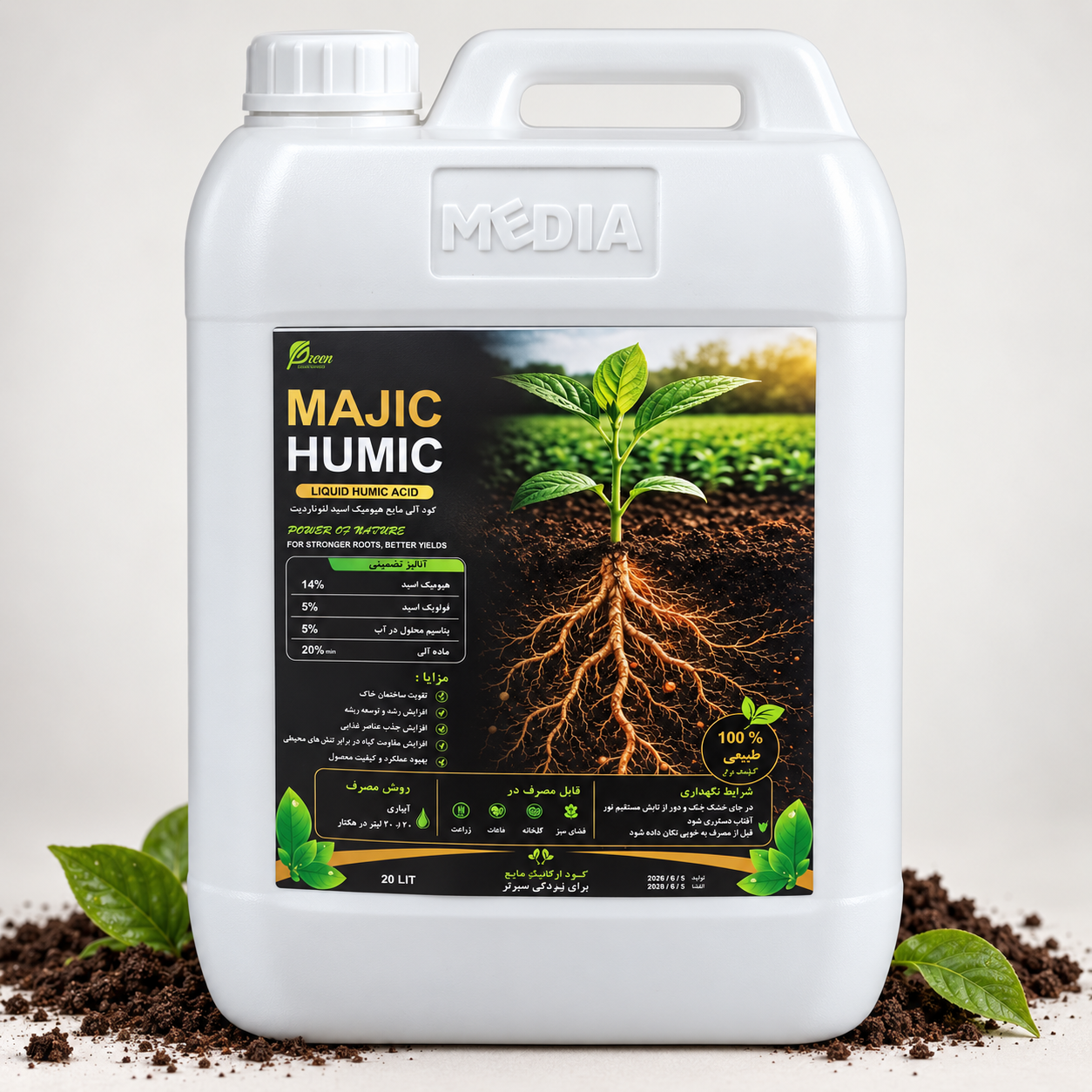
Magic Liquid Humic Fertilizer
Humic acid 14% • Fulvic acid 5% • Water-soluble K₂O 5% • Organic matter ≥ 20%