
Lentil Cultivation Guide in Afghanistan
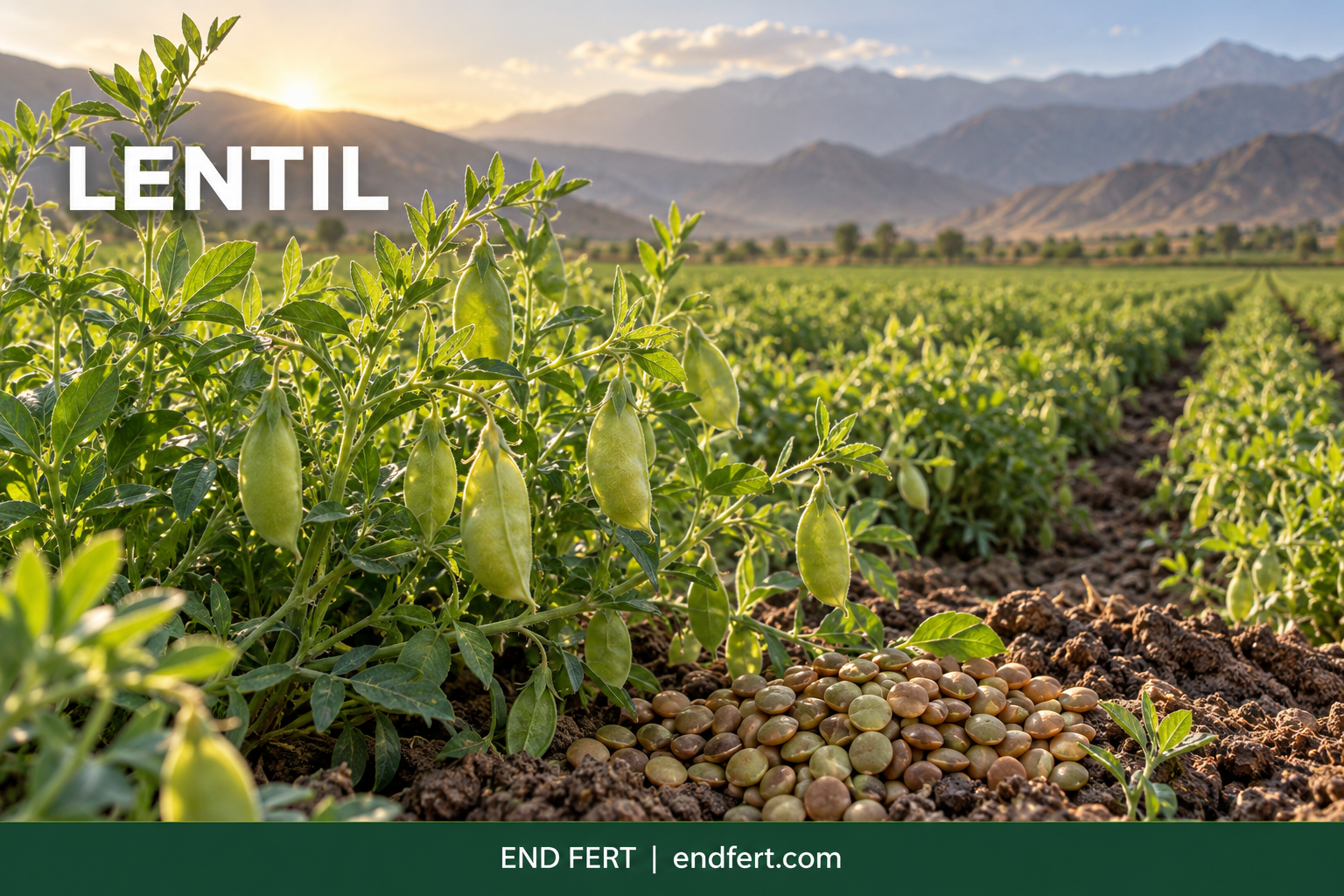
Practical lentil production guide for Afghanistan: climate, soil, irrigation, stage-based nutrition, deficiencies, pests, diseases and harvest.
Introduction and importance
Lentil is an important pulse crop. Successful production depends on adapted seed, effective biological nitrogen fixation, early weed control and timely harvest.
Suitable climate and soil
Best suited to a cool season and light-to-loam soil without waterlogging. Avoid compacted or waterlogged fields and confirm soil salinity and pH before planting.
Land preparation and planting
Use clean treated seed, crop-specific inoculation and shallow sowing. Keep seed depth and plant population uniform and rotate with non-legume crops.
Irrigation management
Maintain moisture for emergence, then schedule irrigation by root-zone moisture. The most sensitive period is flowering and seed set; avoid both drought and waterlogging.
Stage-based nutrition
Use test-based phosphorus and potassium with very limited starter nitrogen. Base final rates on soil and water tests; excessive nitrogen suppresses nodulation and delays maturity.
- Stage 1: آمادهسازی بذر و تلقیحAdjust nutrition to crop demand and laboratory soil and water results. Avoid mixing concentrated fertilizers without a compatibility test.
- Stage 2: استقرار و توسعه ریشهAdjust nutrition to crop demand and laboratory soil and water results. Avoid mixing concentrated fertilizers without a compatibility test.
- Stage 3: گلدهی و تشکیل غلافAdjust nutrition to crop demand and laboratory soil and water results. Avoid mixing concentrated fertilizers without a compatibility test.
- Stage 4: پرشدن دانهAdjust nutrition to crop demand and laboratory soil and water results. Avoid mixing concentrated fertilizers without a compatibility test.
Nutrient deficiencies
Diagnose deficiencies from symptom pattern, affected leaf age, root condition and laboratory analysis. Similar symptoms may also result from salinity, waterlogging, cold or root disease.
Pests and diseases
Scout for aphids, cutworms and leafminers. Use clean fields, thresholds, beneficial insects and registered controls as an integrated program. Key risks include lentil rust, wilt, Ascochyta and root rots. Use clean seed, resistant varieties, rotation, drainage and removal of infected residues.
Harvest and storage
Harvest when lower plants yellow and most pods turn brown, before shattering. Dry, clean and store grain at safe moisture, protected from insects and moisture.
Frequently asked questions
What is the best fertilizer for Lentil?
There is no single universal formula. The correct choice depends on soil and water analysis, crop stage and yield target.
Products Endfert
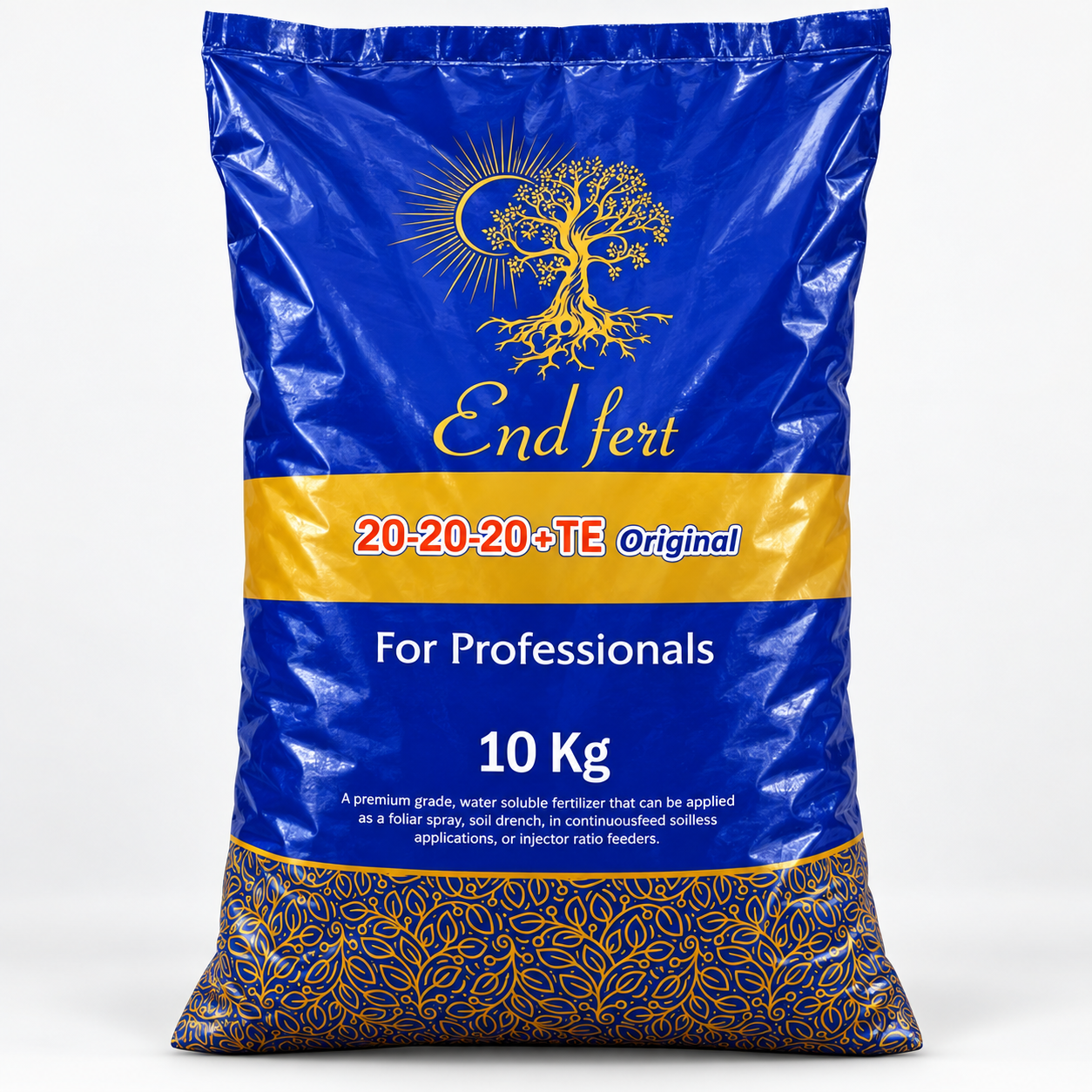
End fert NPK 20-20-20 +TE
N 20% • P₂O₅ 20% • K₂O 20% • TE
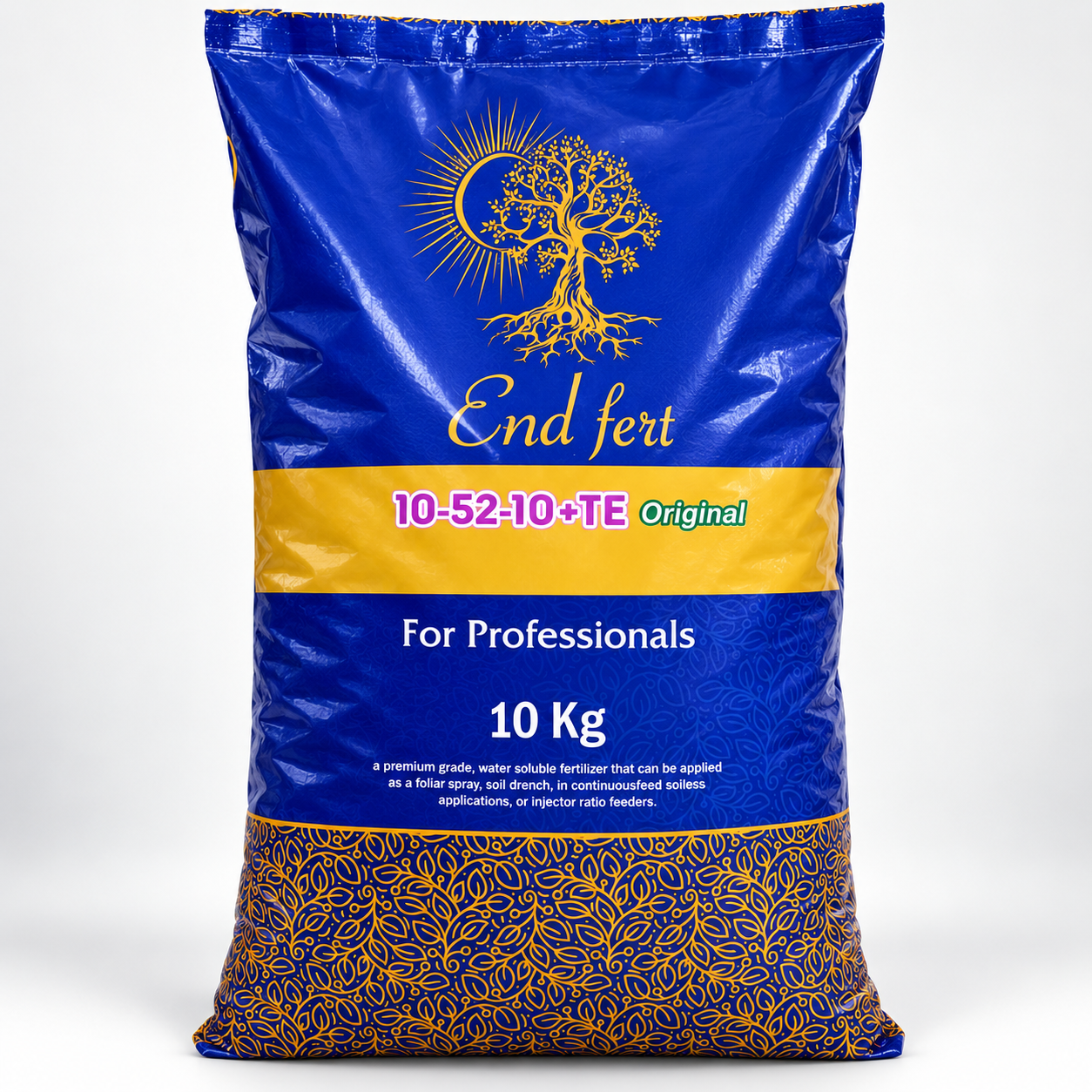
End fert NPK 10-52-10 +TE
N 10% • P₂O₅ 52% • K₂O 10% • TE
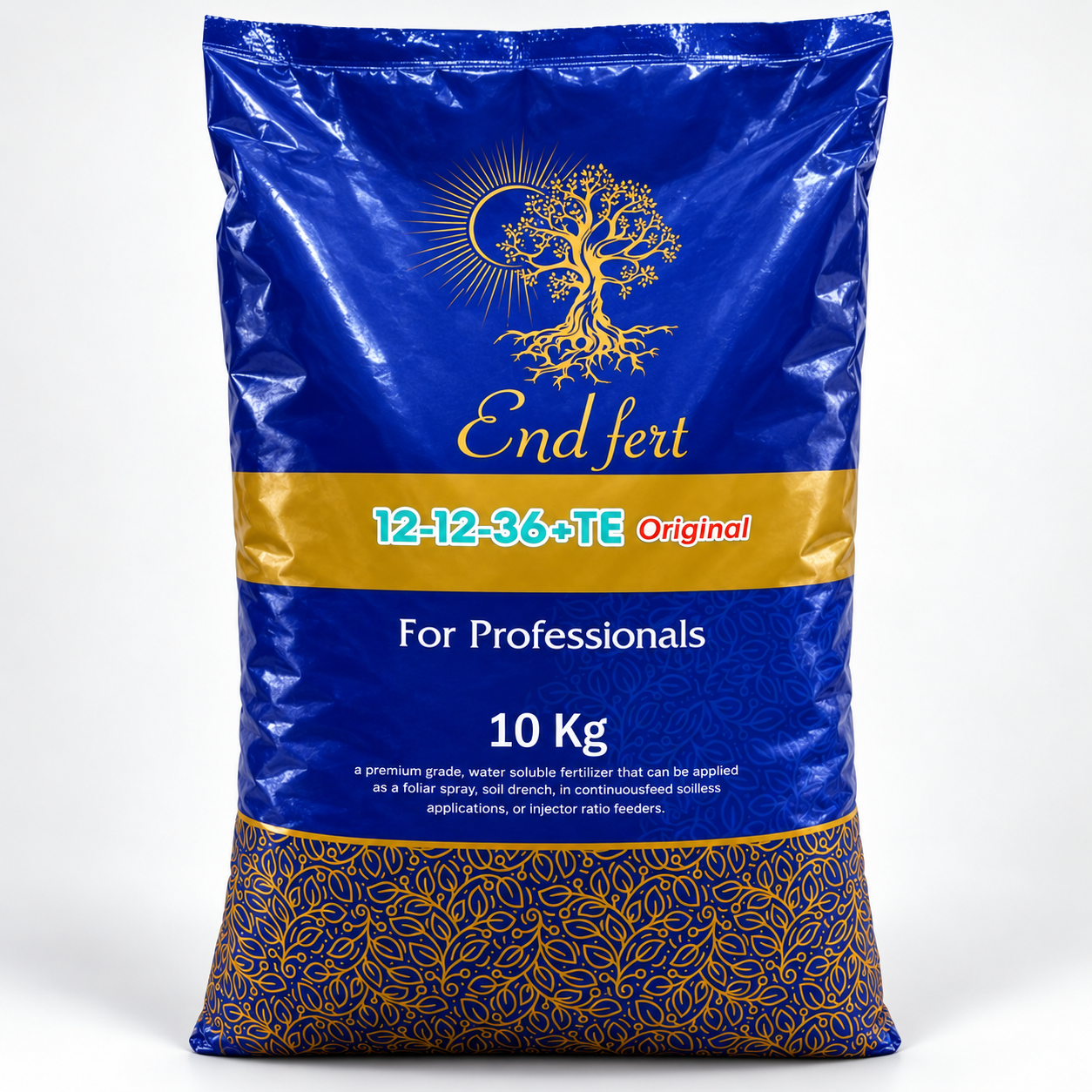
End fert NPK 12-12-36 +TE
N 12% • P₂O₅ 12% • K₂O 36% • TE
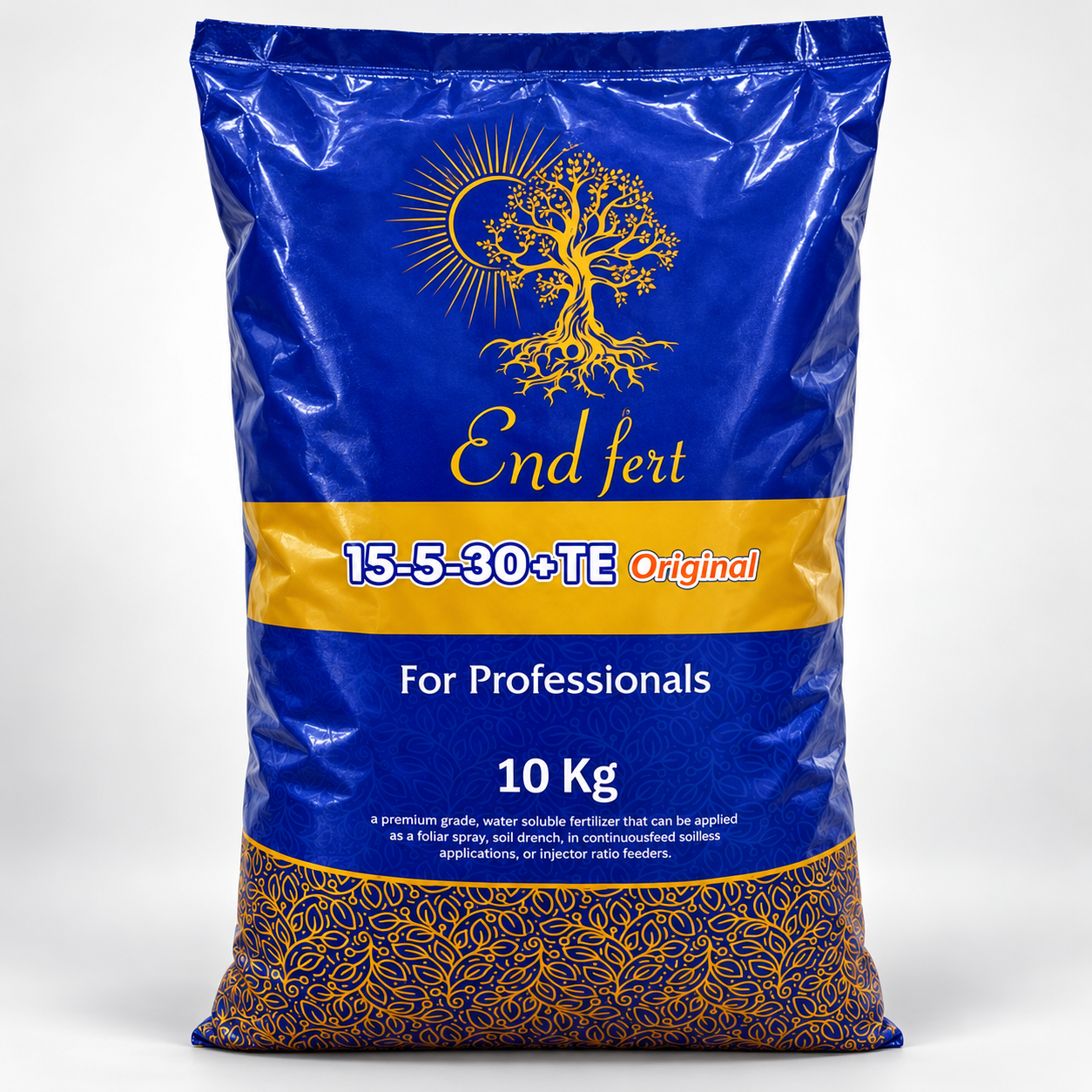
End fert NPK 15-5-30 +TE
N 15% • P₂O₅ 5% • K₂O 30% • TE
Endfert NPK 10-10-40 +TE
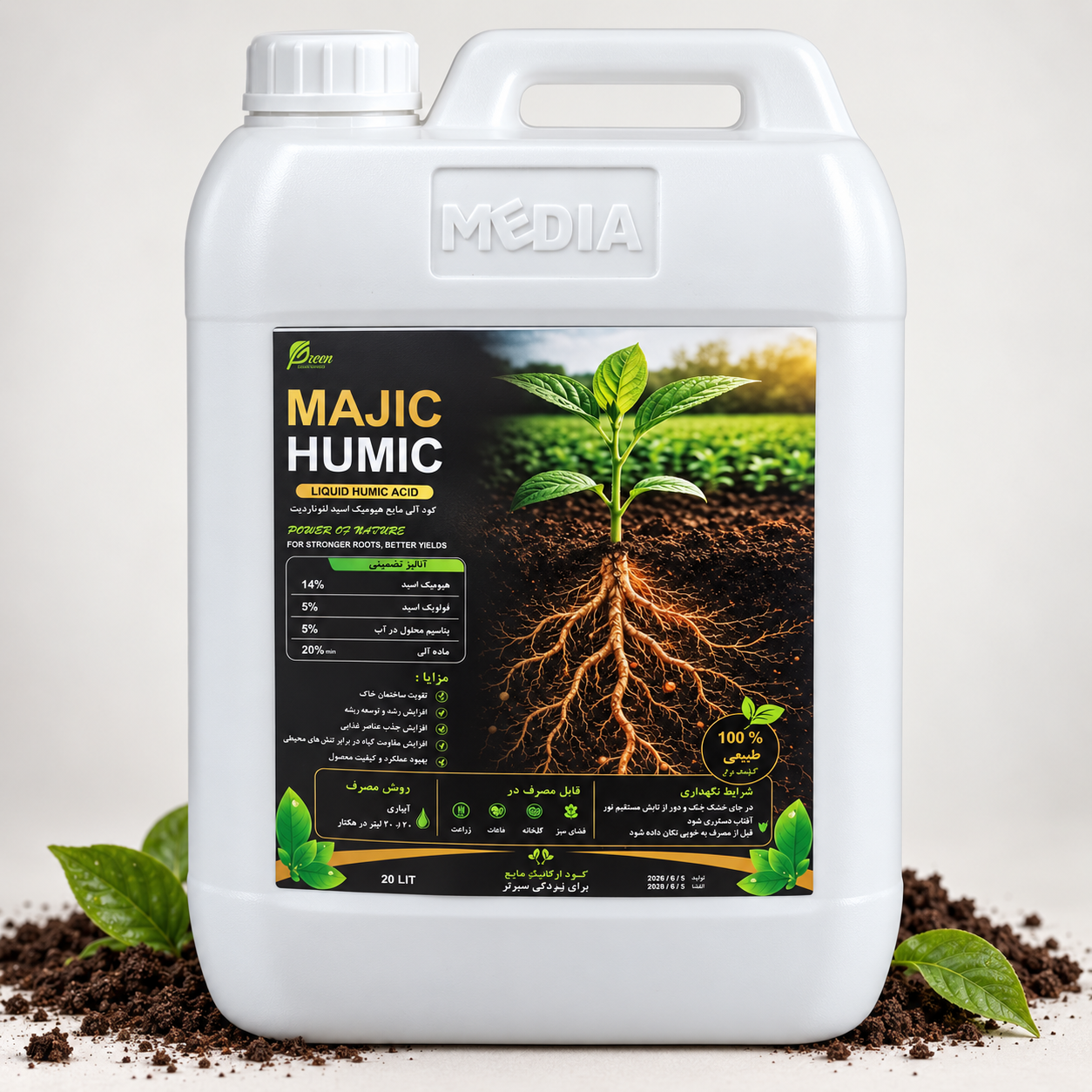
Magic Liquid Humic Fertilizer
Humic acid 14% • Fulvic acid 5% • Water-soluble K₂O 5% • Organic matter ≥ 20%