
Greenhouse Eggplant Cultivation Guide in Afghanistan
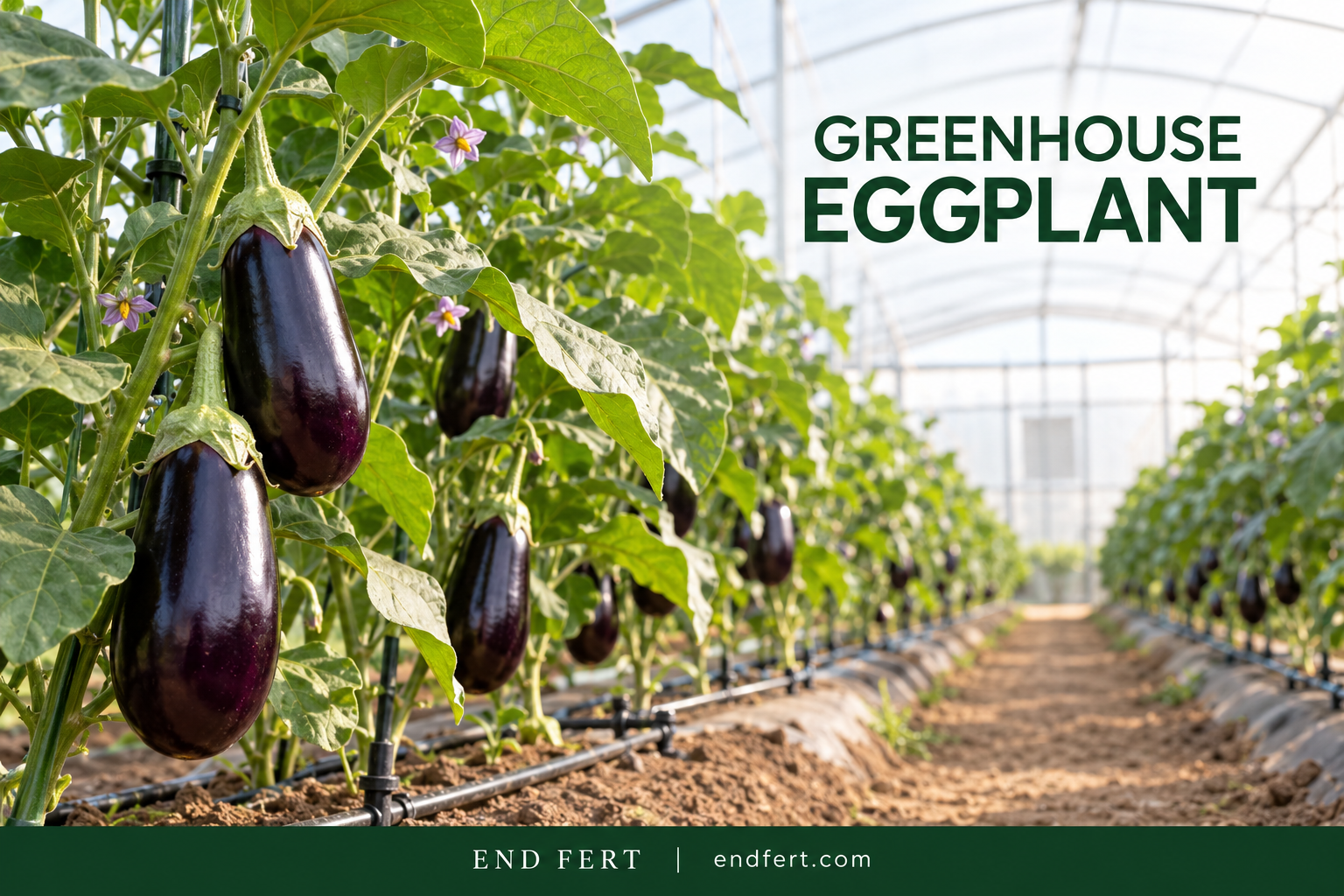
Practical greenhouse eggplant production guide for Afghanistan: climate, soil, irrigation, stage-based nutrition, deficiencies, pests, diseases and harvest.
Introduction and importance
Eggplant greenhouse production supports off-season supply, uniform quality and targeted use of water and fertilizer. Success depends on daily records of temperature, humidity, EC, pH and pest status.
Suitable climate and soil
The structure needs effective ventilation, adequate light and temperature and humidity control. Test irrigation water and substrate for EC, pH, bicarbonate and nutrients before planting.
Land preparation and planting
Use healthy uniform pest-free seed or transplants. Sanitize substrate and tools, space plants for airflow and control entry of contaminated people and materials.
Irrigation management
Schedule short drip events from root volume, radiation and drainage. Avoid sudden EC increases, substrate saturation and prolonged leaf wetness.
Stage-based nutrition
After rooting, maintain balanced nitrogen and adequate potassium and calcium from flowering. Salinity and excessive vegetative growth promote flower drop and poor quality.
- Stage 1: تولید نشاAdjust nutrition to crop demand and laboratory soil and water results. Avoid mixing concentrated fertilizers without a compatibility test.
- Stage 2: استقرار پس از انتقالAdjust nutrition to crop demand and laboratory soil and water results. Avoid mixing concentrated fertilizers without a compatibility test.
- Stage 3: گلدهی و تشکیل میوهAdjust nutrition to crop demand and laboratory soil and water results. Avoid mixing concentrated fertilizers without a compatibility test.
- Stage 4: برداشت پیوسته و مدیریت شوریAdjust nutrition to crop demand and laboratory soil and water results. Avoid mixing concentrated fertilizers without a compatibility test.
Nutrient deficiencies
Diagnose deficiencies from symptom pattern, affected leaf age, root condition and laboratory analysis. Similar symptoms may also result from salinity, waterlogging, cold or root disease.
Pests and diseases
Key pests include whiteflies, aphids, thrips, mites and leafminers; manage them with traps, sticky cards, weekly scouting and conservation of natural enemies. Key diseases include Fusarium and Verticillium wilts, Botrytis and root rots; sanitation, ventilation, removal of infected plants and limiting leaf wetness are foundational controls.
Harvest and storage
Clip fruit at market size while skin remains glossy to avoid branch damage.
Frequently asked questions
What is the best fertilizer for Greenhouse Eggplant?
There is no single universal formula. The correct choice depends on soil and water analysis, crop stage and yield target.
Products Endfert
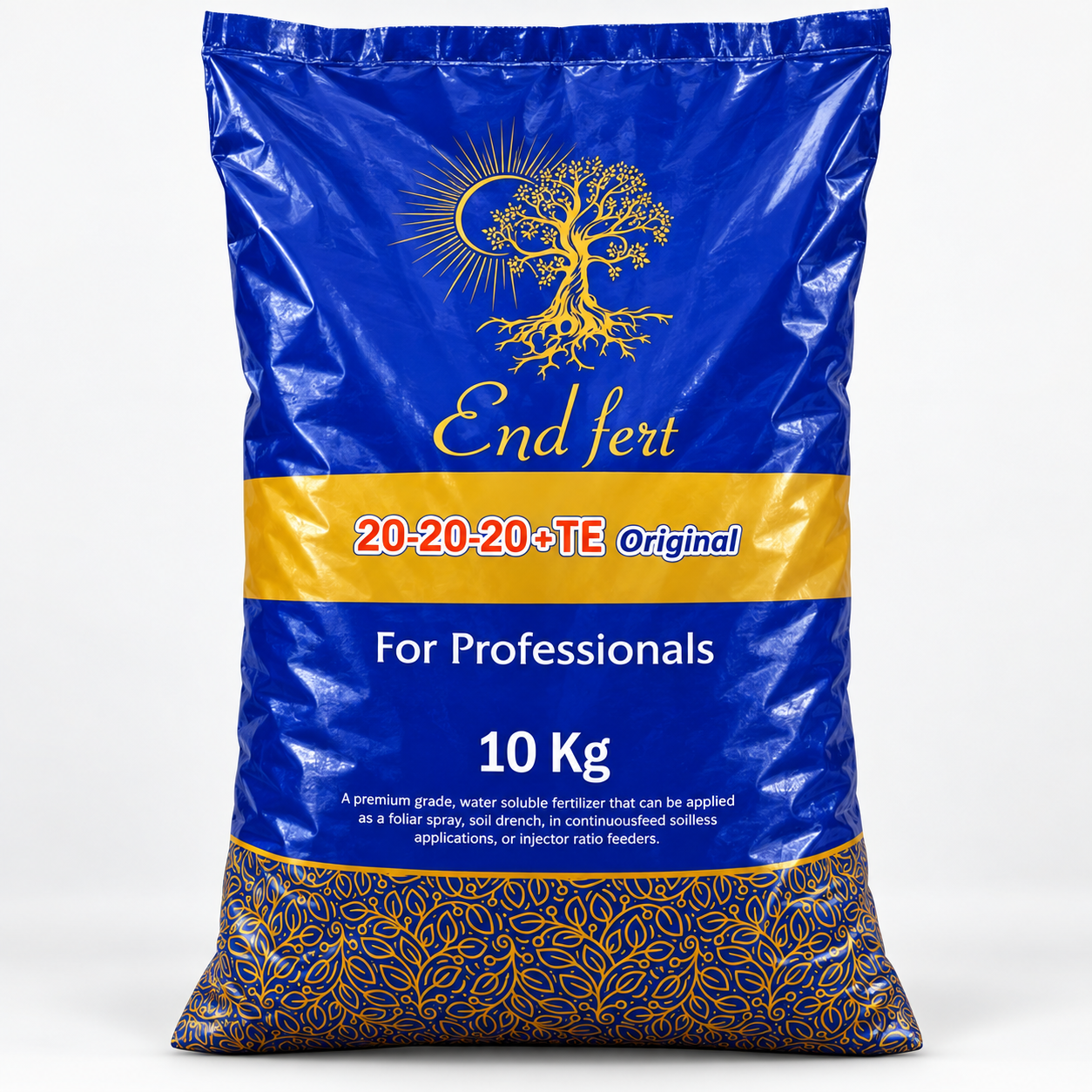
End fert NPK 20-20-20 +TE
N 20% • P₂O₅ 20% • K₂O 20% • TE
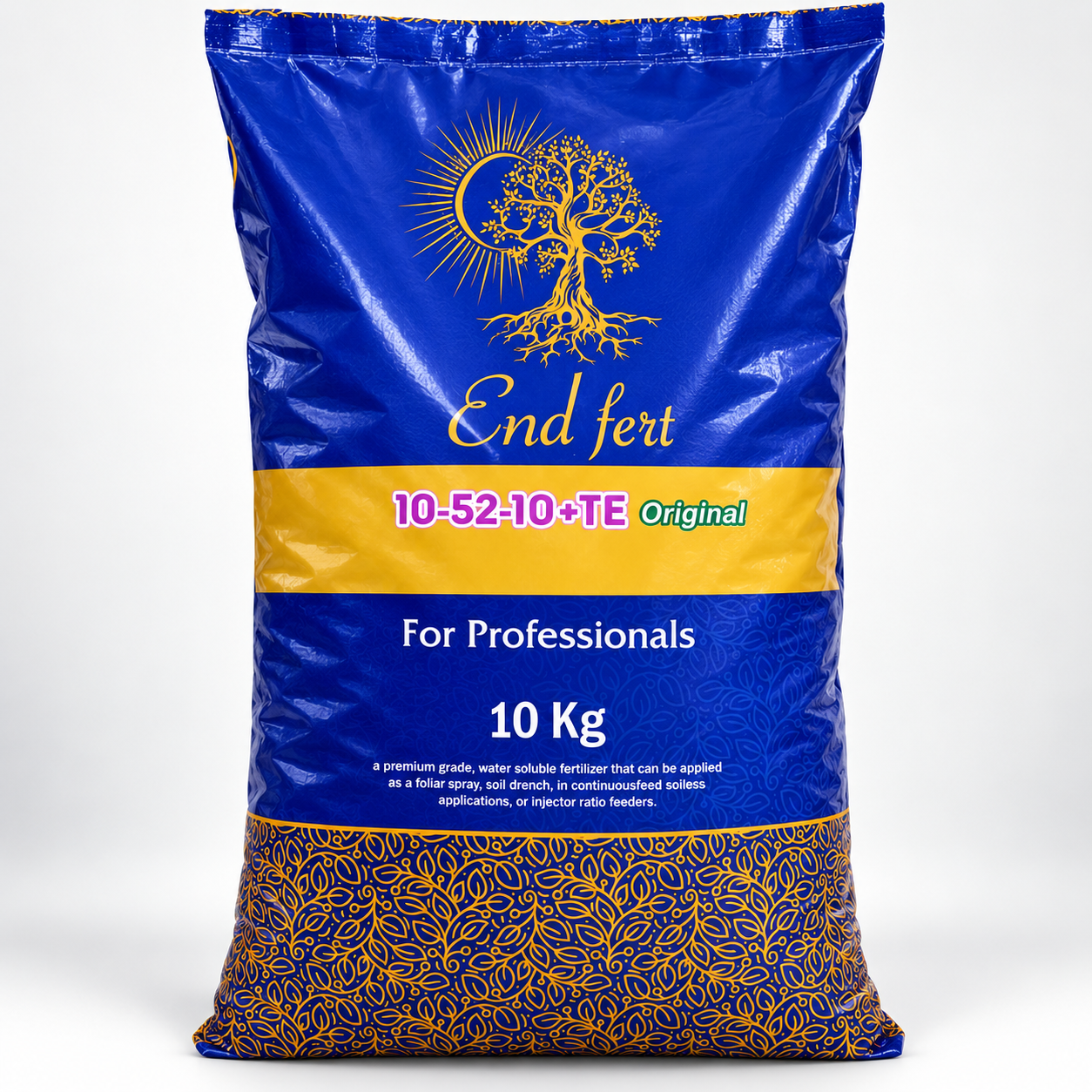
End fert NPK 10-52-10 +TE
N 10% • P₂O₅ 52% • K₂O 10% • TE
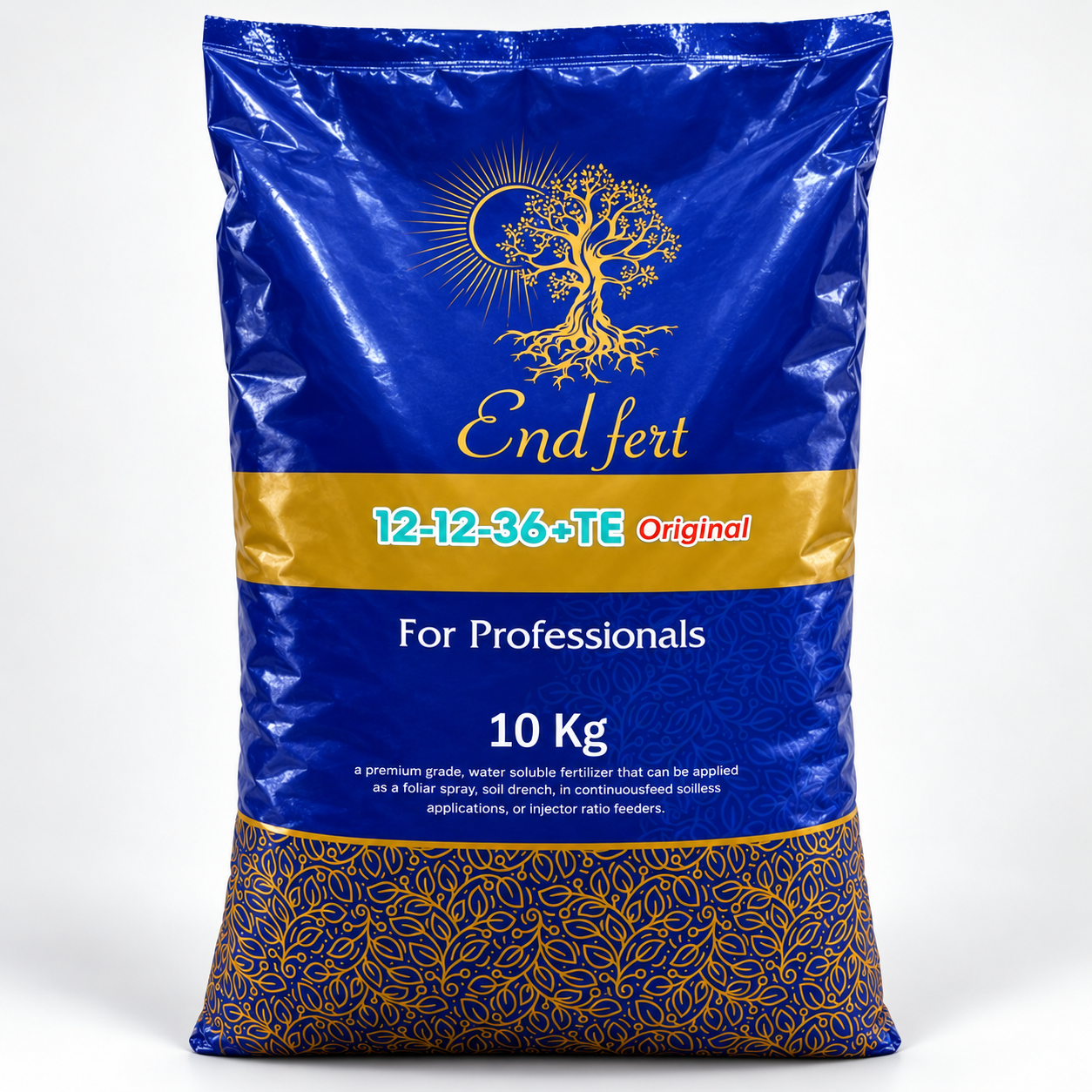
End fert NPK 12-12-36 +TE
N 12% • P₂O₅ 12% • K₂O 36% • TE
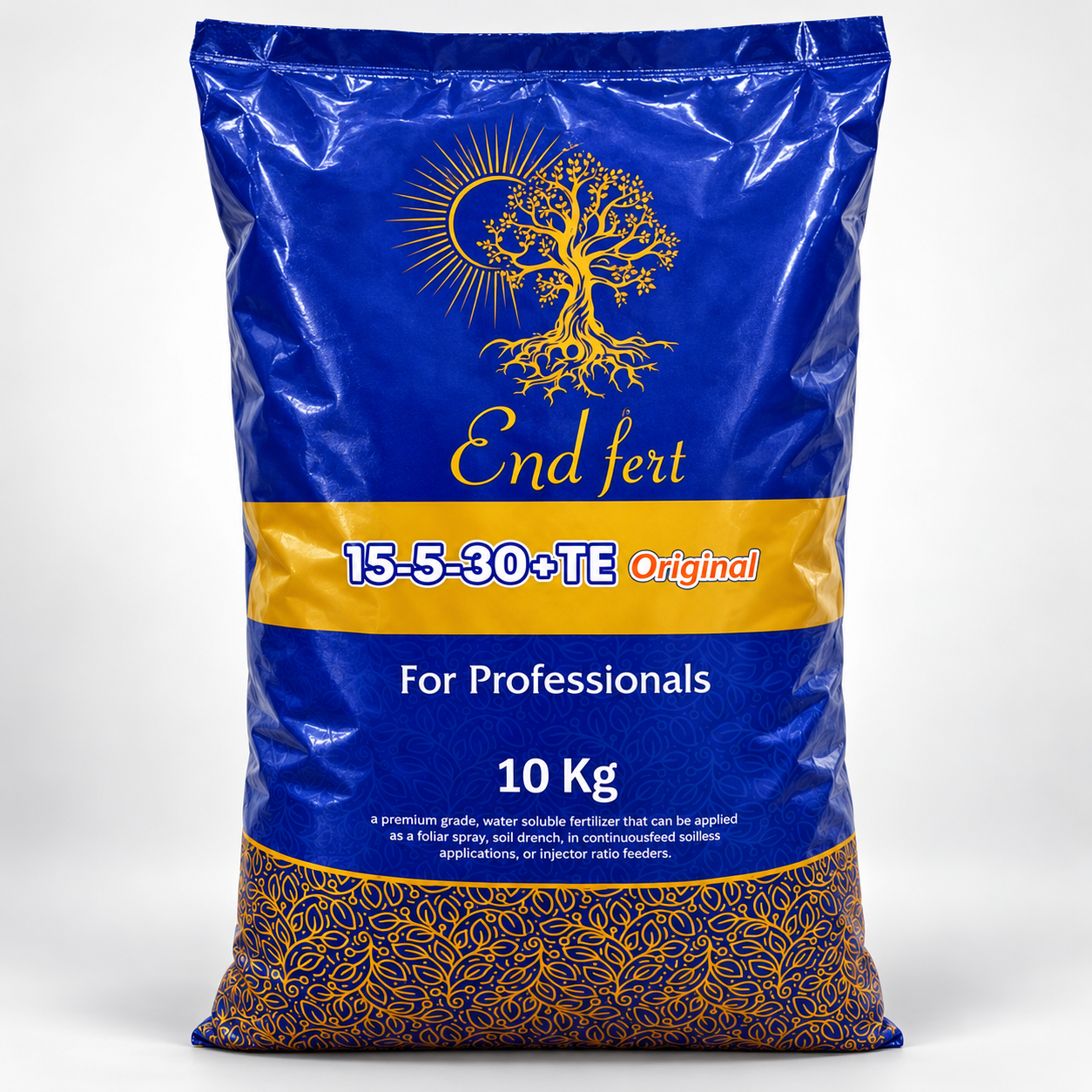
End fert NPK 15-5-30 +TE
N 15% • P₂O₅ 5% • K₂O 30% • TE
Endfert NPK 10-10-40 +TE
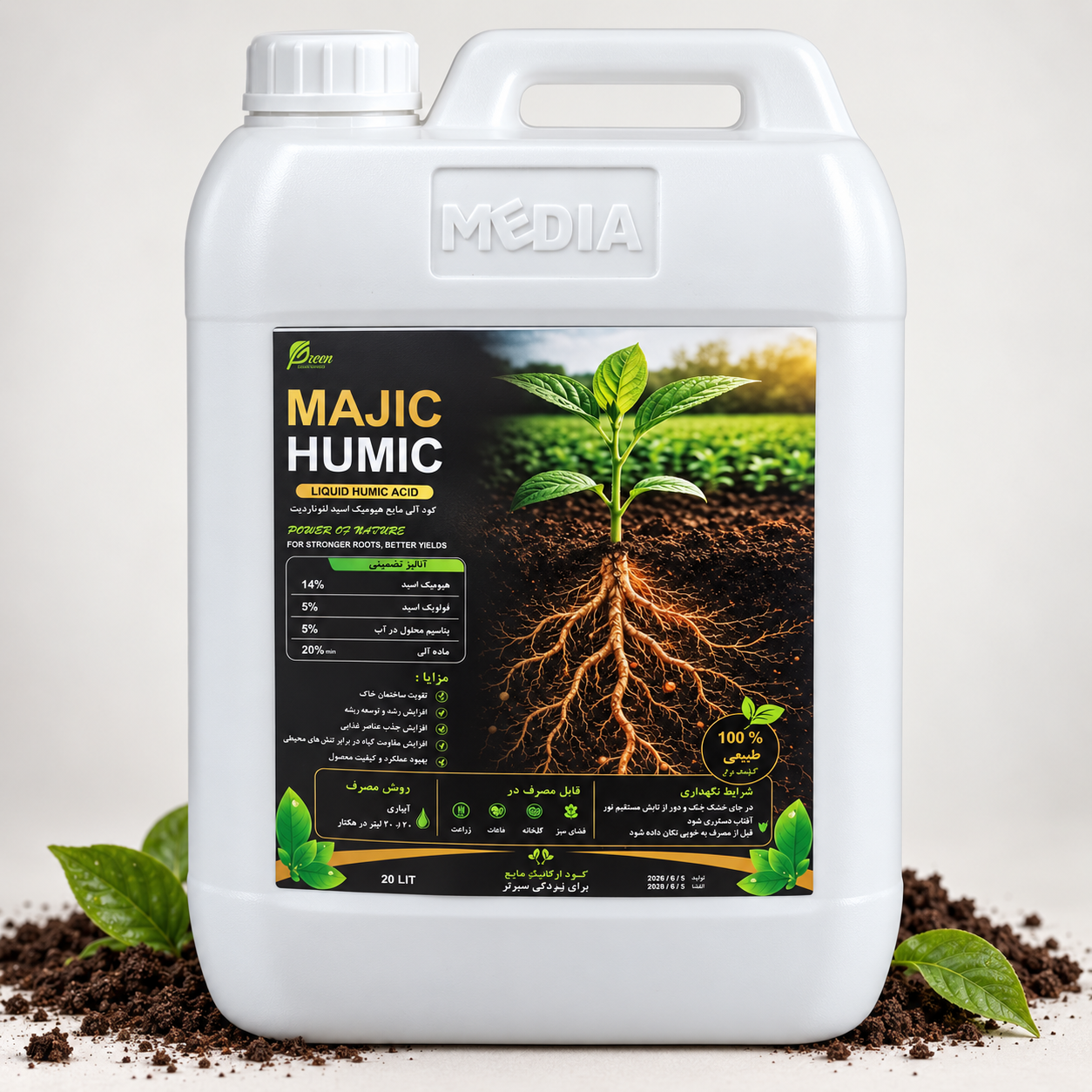
Magic Liquid Humic Fertilizer
Humic acid 14% • Fulvic acid 5% • Water-soluble K₂O 5% • Organic matter ≥ 20%