
Cotton Cultivation Guide in Afghanistan
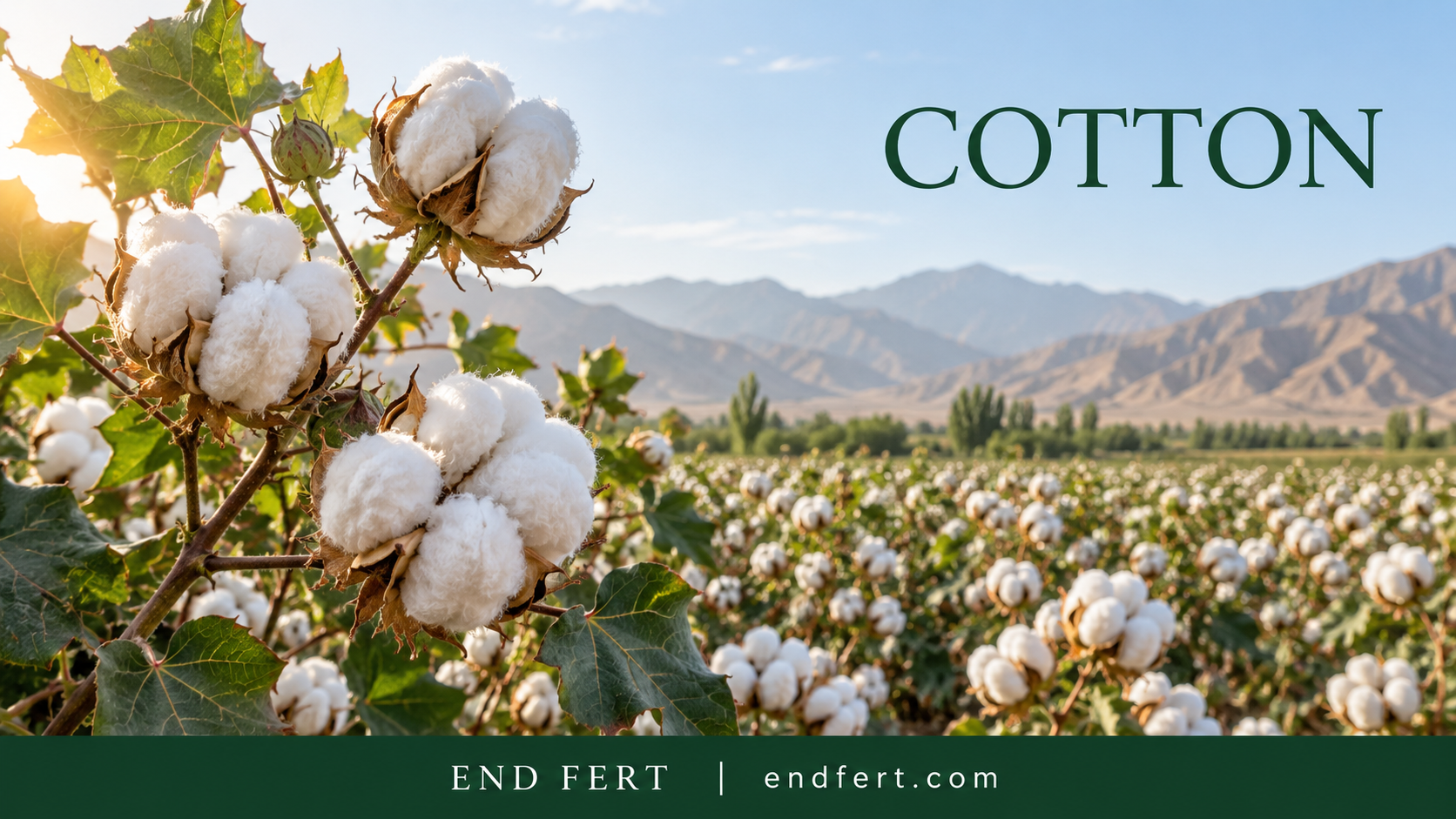
Practical cotton production guide for Afghanistan: climate, soil, irrigation, stage-based nutrition, deficiencies, pests, diseases and harvest.
Introduction and importance
Cotton is an industrial crop of warm Afghan regions. Uniform establishment, weed control, balanced vegetative and reproductive growth and clean picking determine fiber quality.
Suitable climate and soil
A long warm frost-free season and deep well-drained soil are required. Cold soil produces weak emergence.
Land preparation and planting
Sow healthy treated seed into warm soil at uniform depth and adjust population to cultivar, fertility and available water.
Irrigation management
Squaring, flowering and boll filling are sensitive; severe stress causes shedding while excess irrigation promotes rank growth and disease.
Stage-based nutrition
Apply basal phosphorus and potassium, split nitrogen through early flowering and correct boron or zinc only after diagnosis. Late nitrogen delays maturity and boll opening.
- Stage 1: آمادهسازی زمینAdjust nutrition to crop demand and laboratory soil and water results. Avoid mixing concentrated fertilizers without a compatibility test.
- Stage 2: استقرار اولیهAdjust nutrition to crop demand and laboratory soil and water results. Avoid mixing concentrated fertilizers without a compatibility test.
- Stage 3: رشد فعالAdjust nutrition to crop demand and laboratory soil and water results. Avoid mixing concentrated fertilizers without a compatibility test.
- Stage 4: رسیدگی و برداشتAdjust nutrition to crop demand and laboratory soil and water results. Avoid mixing concentrated fertilizers without a compatibility test.
Nutrient deficiencies
Diagnose deficiencies from symptom pattern, affected leaf age, root condition and laboratory analysis. Similar symptoms may also result from salinity, waterlogging, cold or root disease.
Pests and diseases
Bollworms, whiteflies, aphids, thrips and mites require weekly scouting, conservation of natural enemies and threshold-based control. Fusarium and Verticillium wilts, root rots and leaf spots decline with clean seed, resistant cultivars, rotation and drainage.
Harvest and storage
Pick after sufficient boll opening in dry weather; prevent contamination by leaves, soil and moisture and store lots separately.
Frequently asked questions
What is the best fertilizer for Cotton?
There is no single universal formula. The correct choice depends on soil and water analysis, crop stage and yield target.
Products Endfert
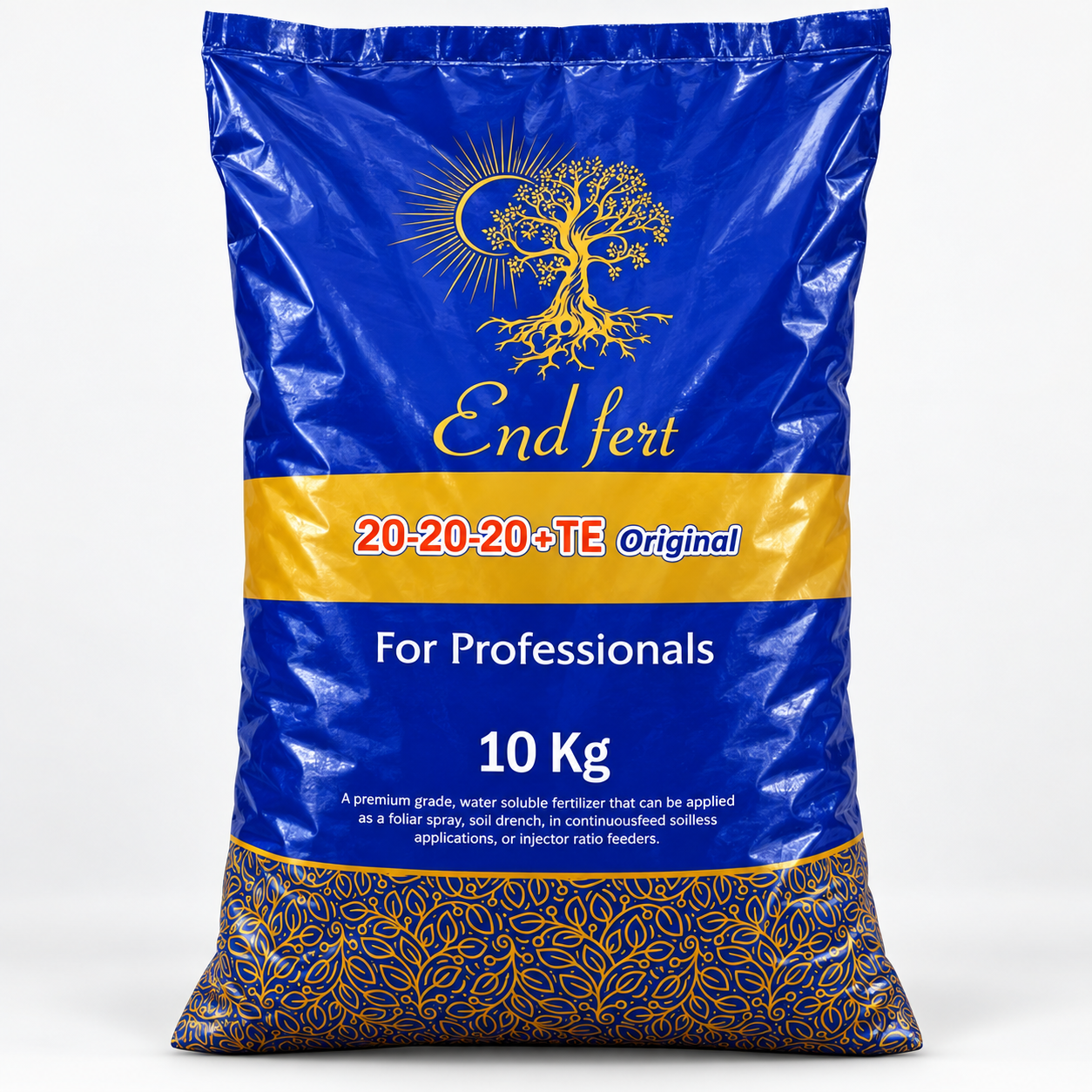
End fert NPK 20-20-20 +TE
N 20% • P₂O₅ 20% • K₂O 20% • TE
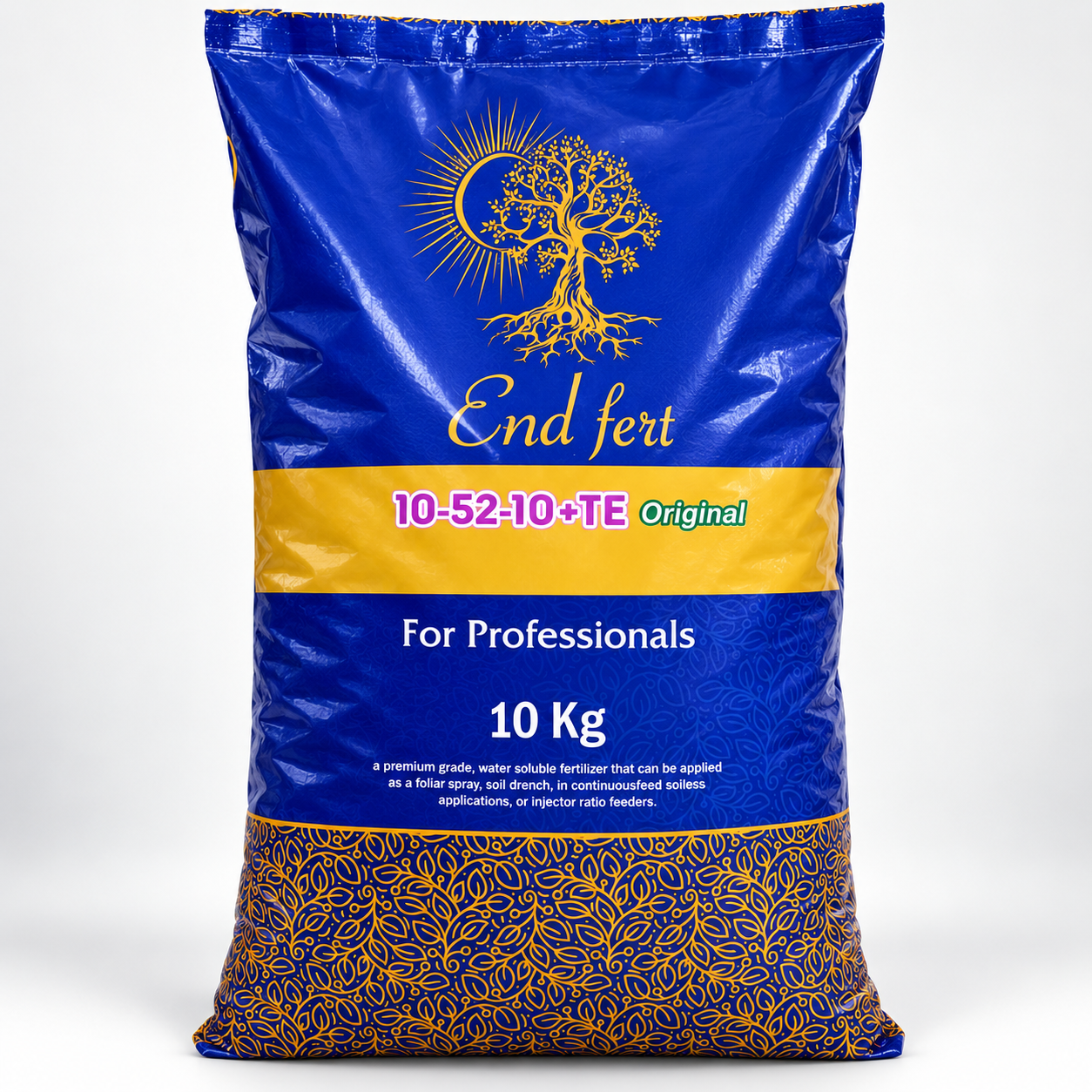
End fert NPK 10-52-10 +TE
N 10% • P₂O₅ 52% • K₂O 10% • TE
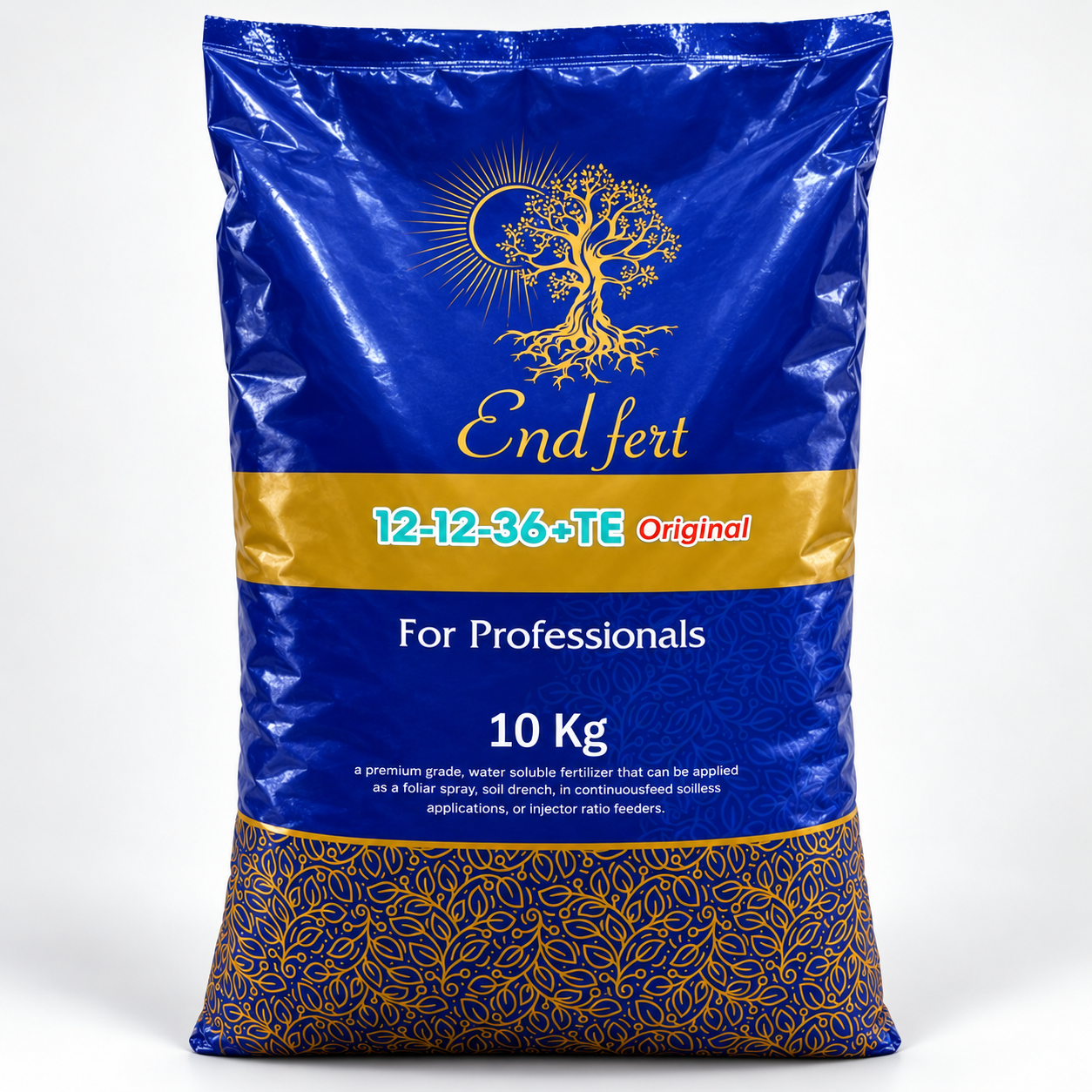
End fert NPK 12-12-36 +TE
N 12% • P₂O₅ 12% • K₂O 36% • TE
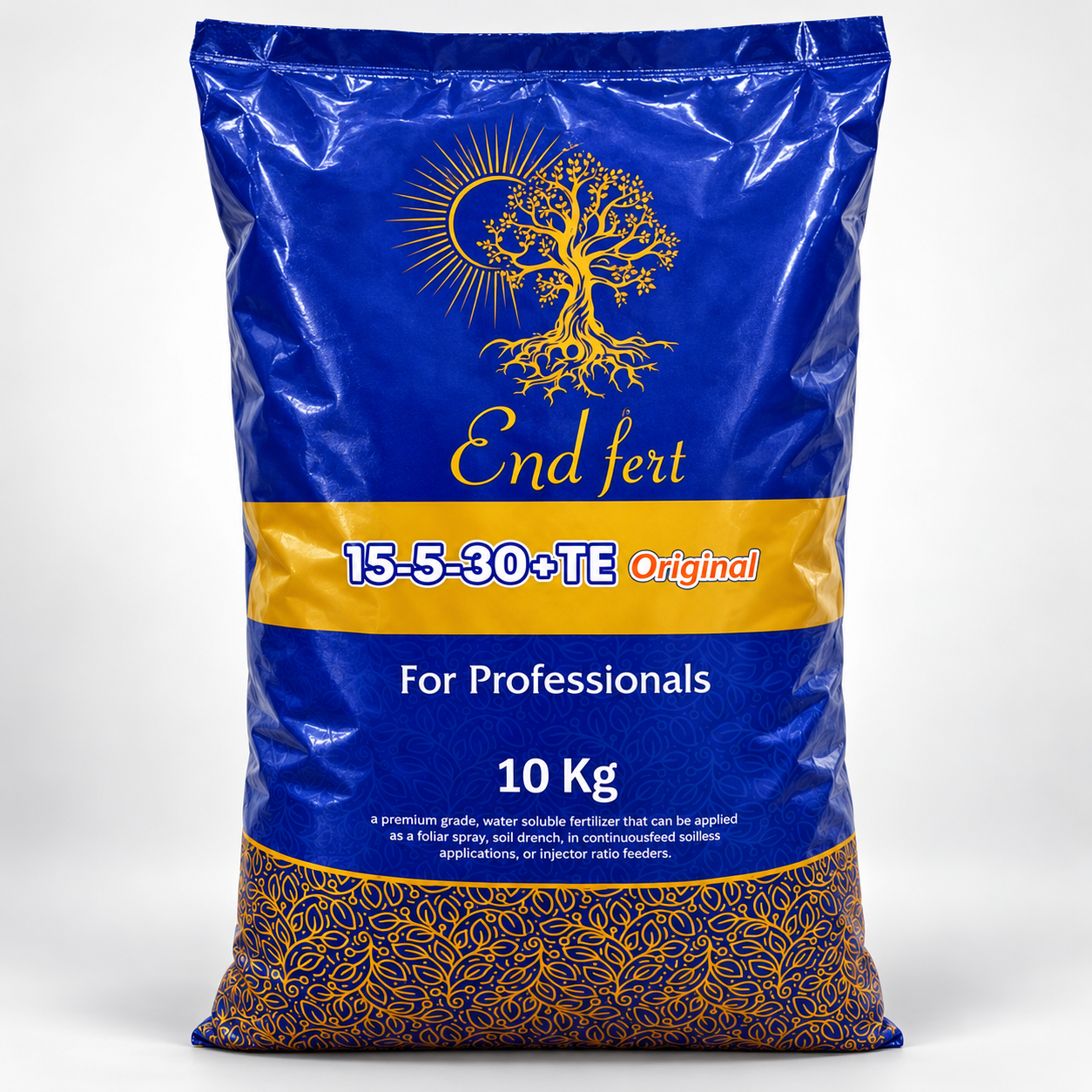
End fert NPK 15-5-30 +TE
N 15% • P₂O₅ 5% • K₂O 30% • TE
Endfert NPK 10-10-40 +TE
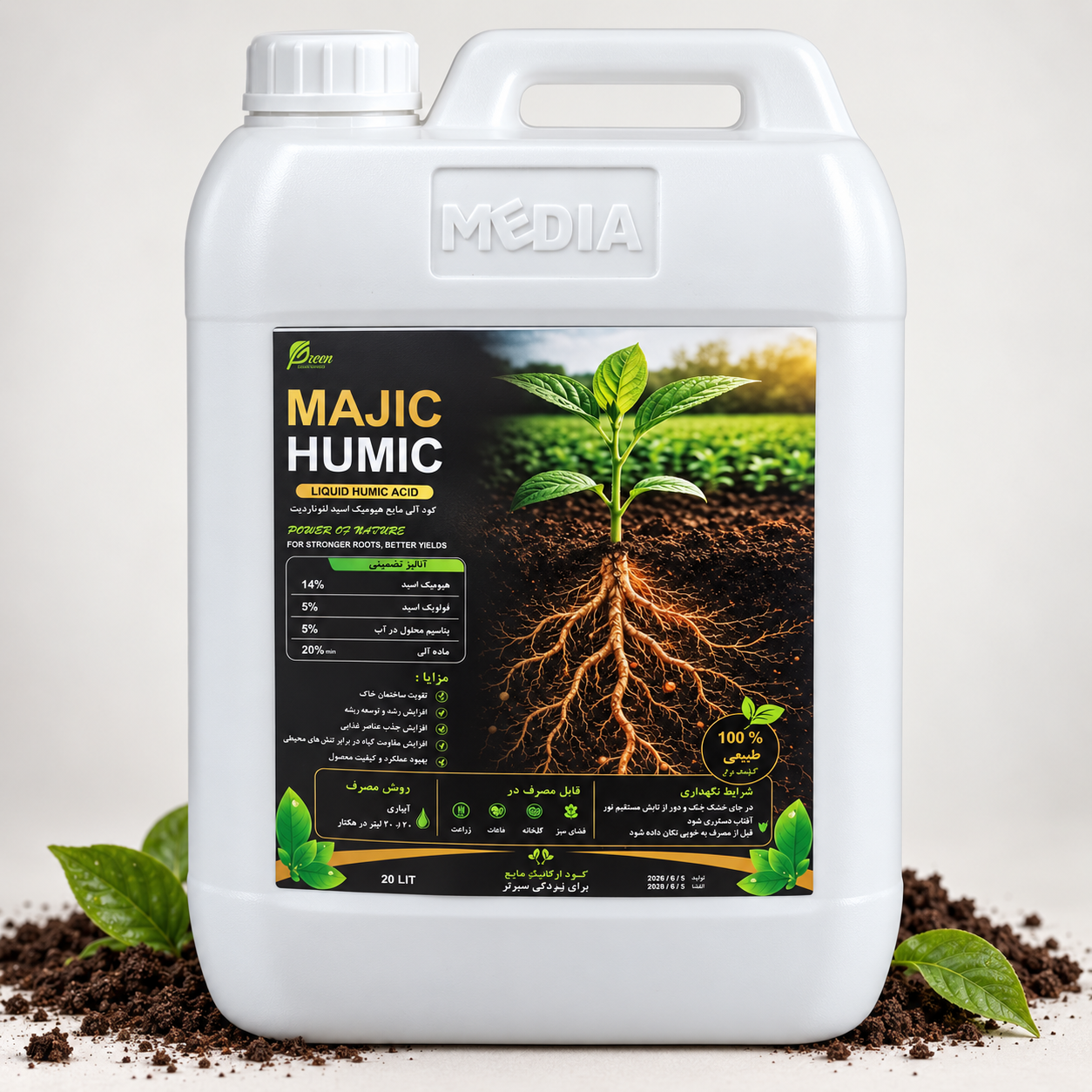
Magic Liquid Humic Fertilizer
Humic acid 14% • Fulvic acid 5% • Water-soluble K₂O 5% • Organic matter ≥ 20%