
Clover Cultivation Guide in Afghanistan
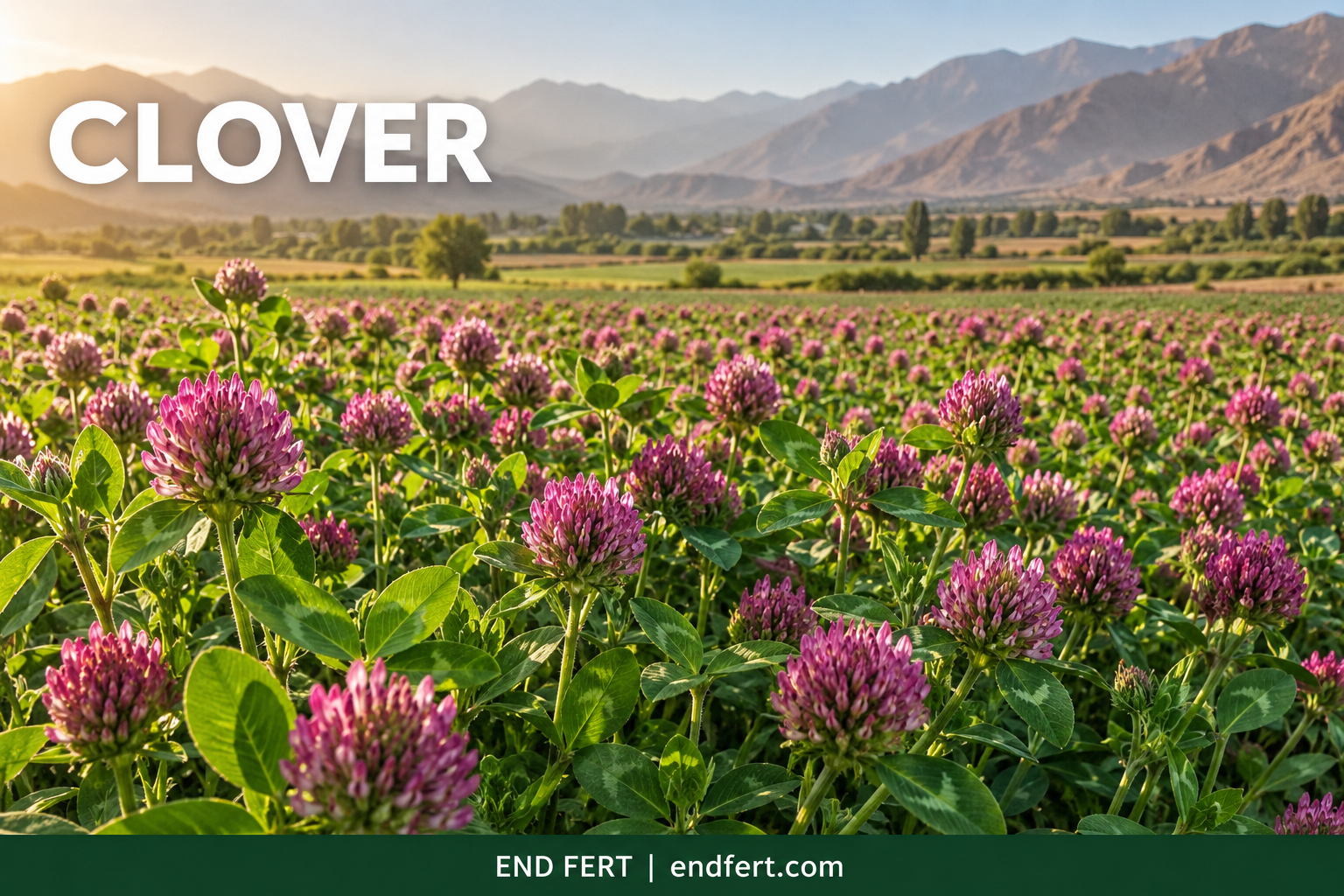
Practical clover production guide for Afghanistan: climate, soil, irrigation, stage-based nutrition, deficiencies, pests, diseases and harvest.
Introduction and importance
Clover is valuable forage whose quality depends on uniform establishment, leaf-to-stem ratio and harvest timing.
Suitable climate and soil
Suitable for cool weather and fertile moist soil without waterlogging.
Land preparation and planting
Use healthy adapted seed at uniform depth and density and control weeds during establishment.
Irrigation management
Maintain even moisture through establishment and active growth; avoid severe drought and waterlogging.
Stage-based nutrition
Use test-based phosphorus and potassium with adequate sulfur; avoid excess nitrogen. Set final rates from soil and water tests.
- Stage 1: آمادهسازی زمینAdjust nutrition to crop demand and laboratory soil and water results. Avoid mixing concentrated fertilizers without a compatibility test.
- Stage 2: استقرار اولیهAdjust nutrition to crop demand and laboratory soil and water results. Avoid mixing concentrated fertilizers without a compatibility test.
- Stage 3: رشد فعالAdjust nutrition to crop demand and laboratory soil and water results. Avoid mixing concentrated fertilizers without a compatibility test.
- Stage 4: رسیدگی و برداشتAdjust nutrition to crop demand and laboratory soil and water results. Avoid mixing concentrated fertilizers without a compatibility test.
Nutrient deficiencies
Diagnose deficiencies from symptom pattern, affected leaf age, root condition and laboratory analysis. Similar symptoms may also result from salinity, waterlogging, cold or root disease.
Pests and diseases
Key pests are aphids, weevils and leaf feeders; scout and use integrated management. Key diseases are mildew, leaf spots and crown rot; use clean seed, rotation, drainage and residue management.
Harvest and storage
Harvest at bud to early bloom for better quality, then dry or ensile promptly.
Frequently asked questions
What is the best fertilizer for Clover?
There is no single universal formula. The correct choice depends on soil and water analysis, crop stage and yield target.
Products Endfert
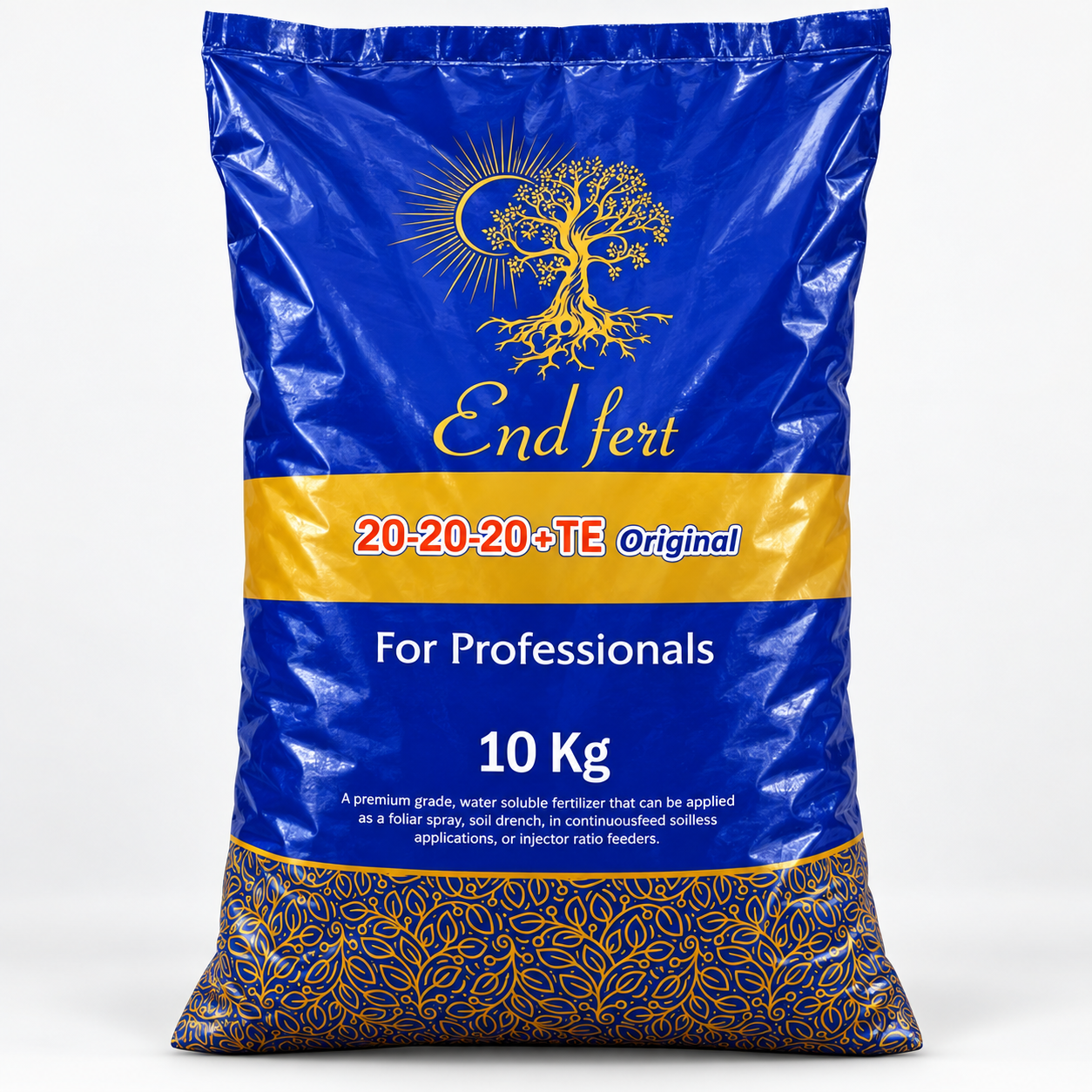
End fert NPK 20-20-20 +TE
N 20% • P₂O₅ 20% • K₂O 20% • TE
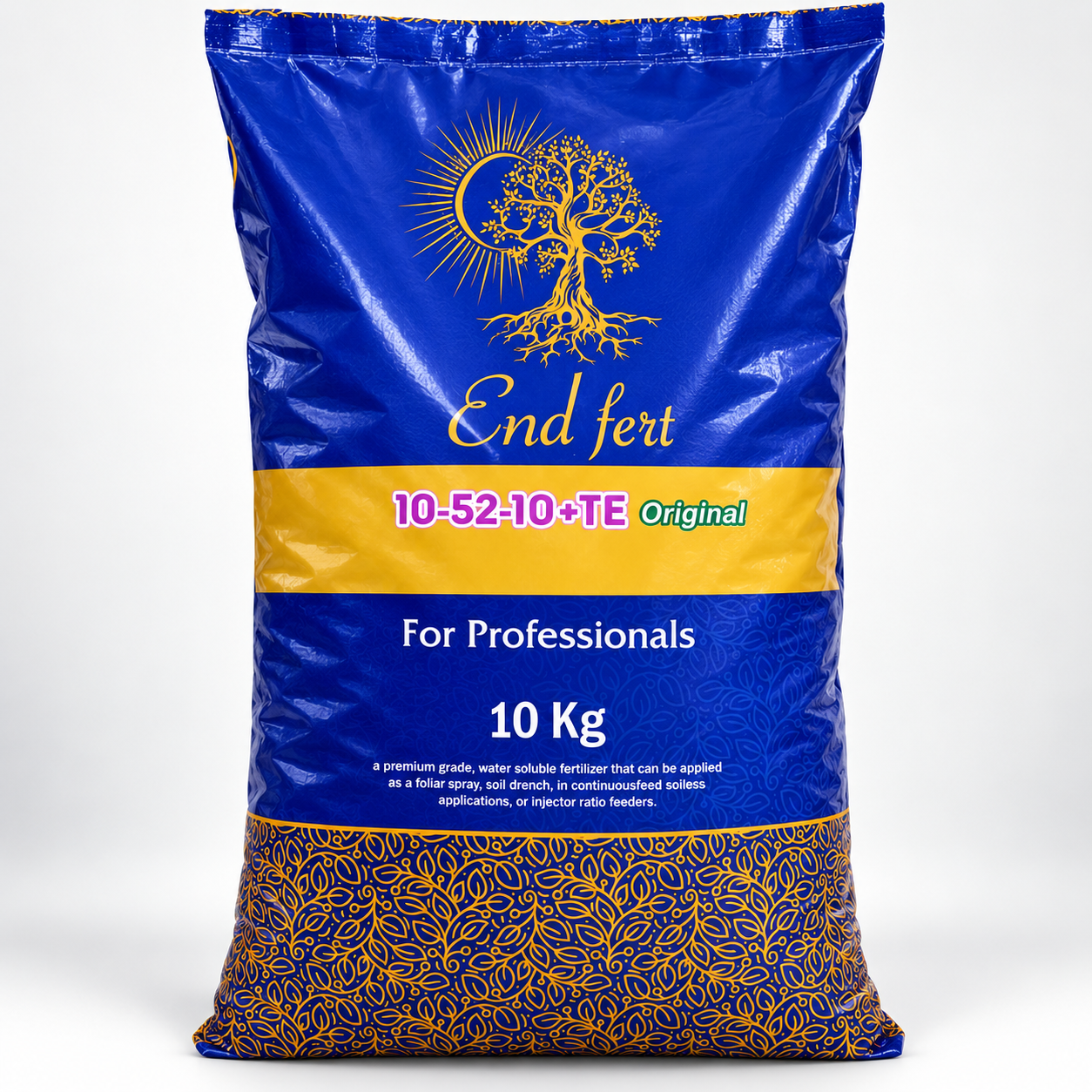
End fert NPK 10-52-10 +TE
N 10% • P₂O₅ 52% • K₂O 10% • TE
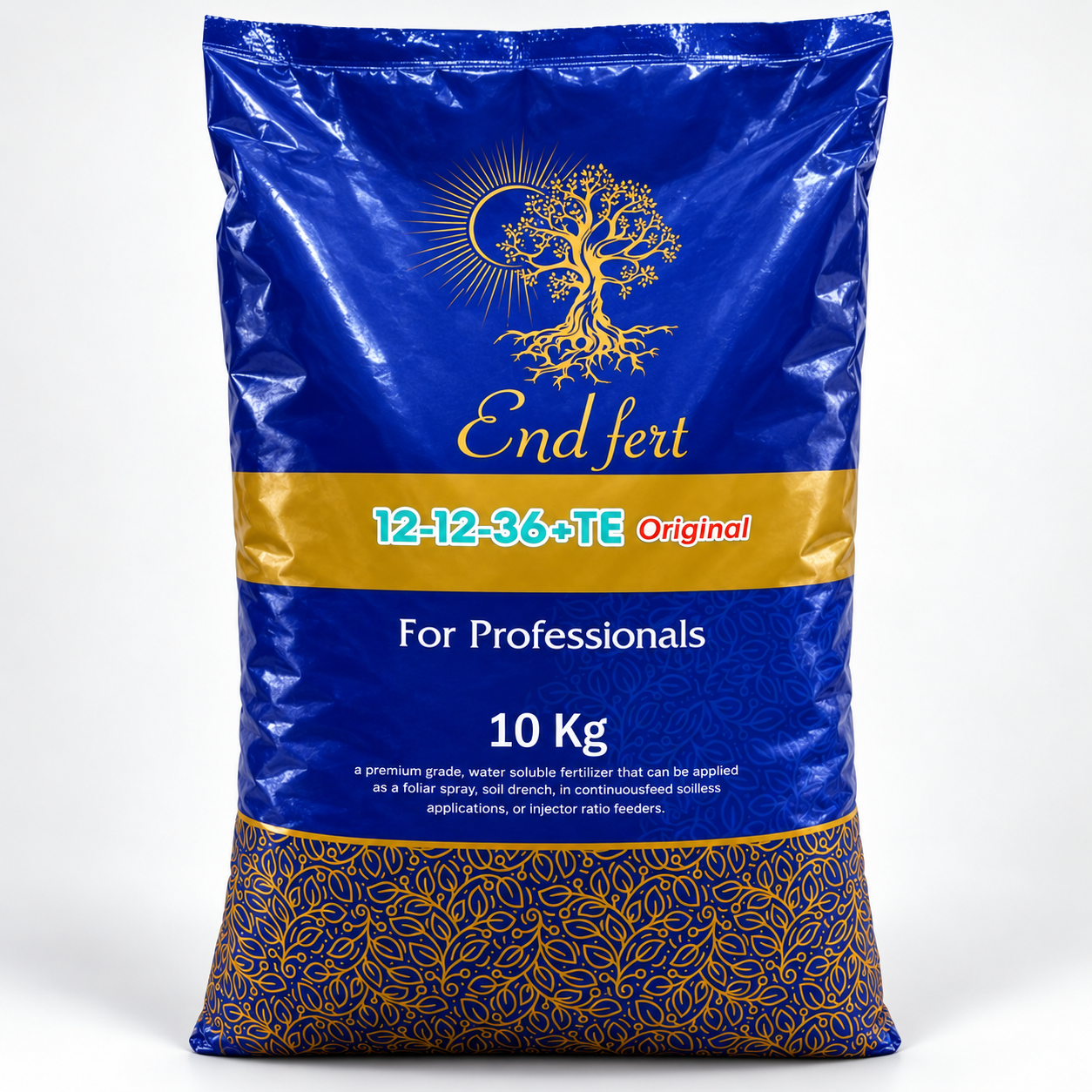
End fert NPK 12-12-36 +TE
N 12% • P₂O₅ 12% • K₂O 36% • TE
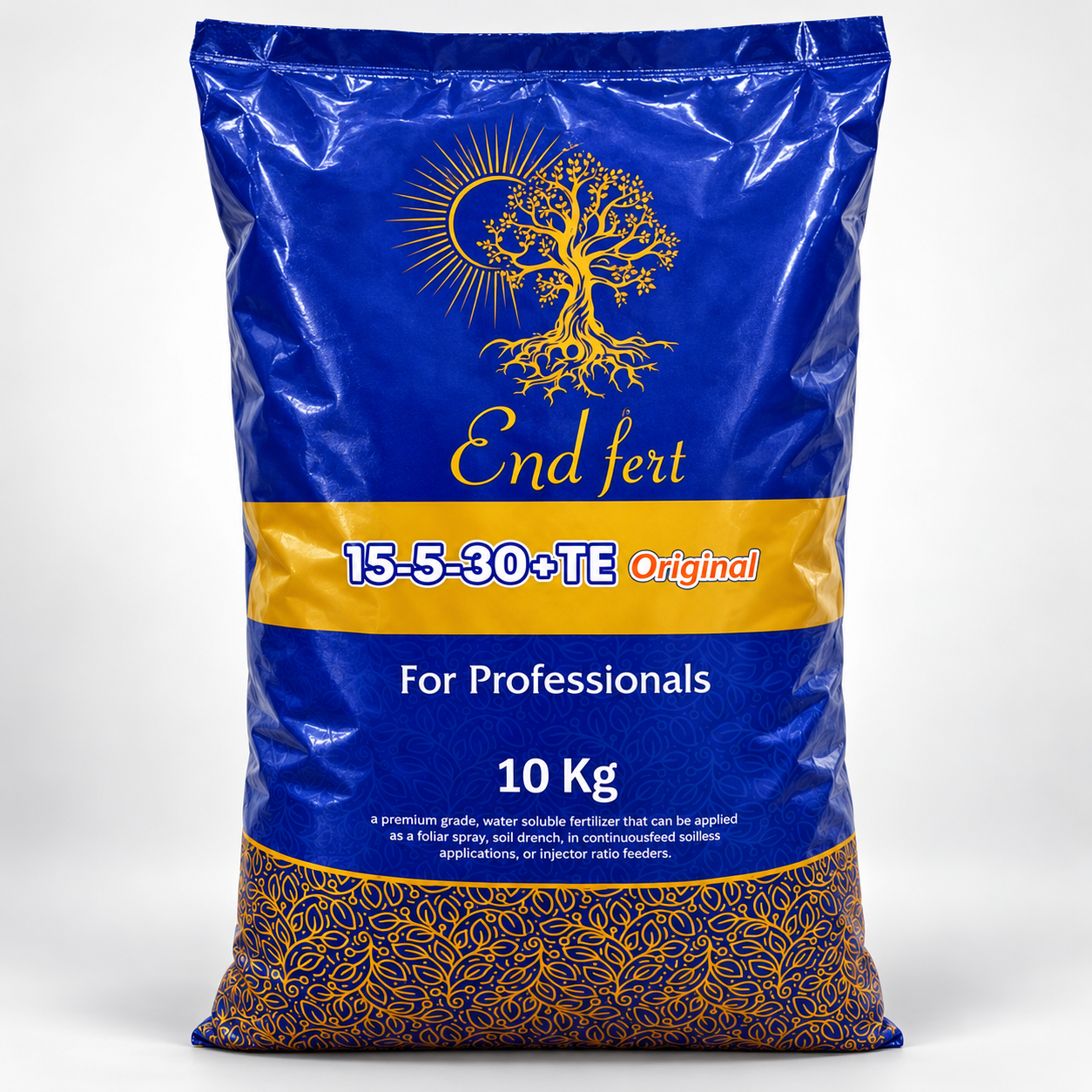
End fert NPK 15-5-30 +TE
N 15% • P₂O₅ 5% • K₂O 30% • TE
Endfert NPK 10-10-40 +TE
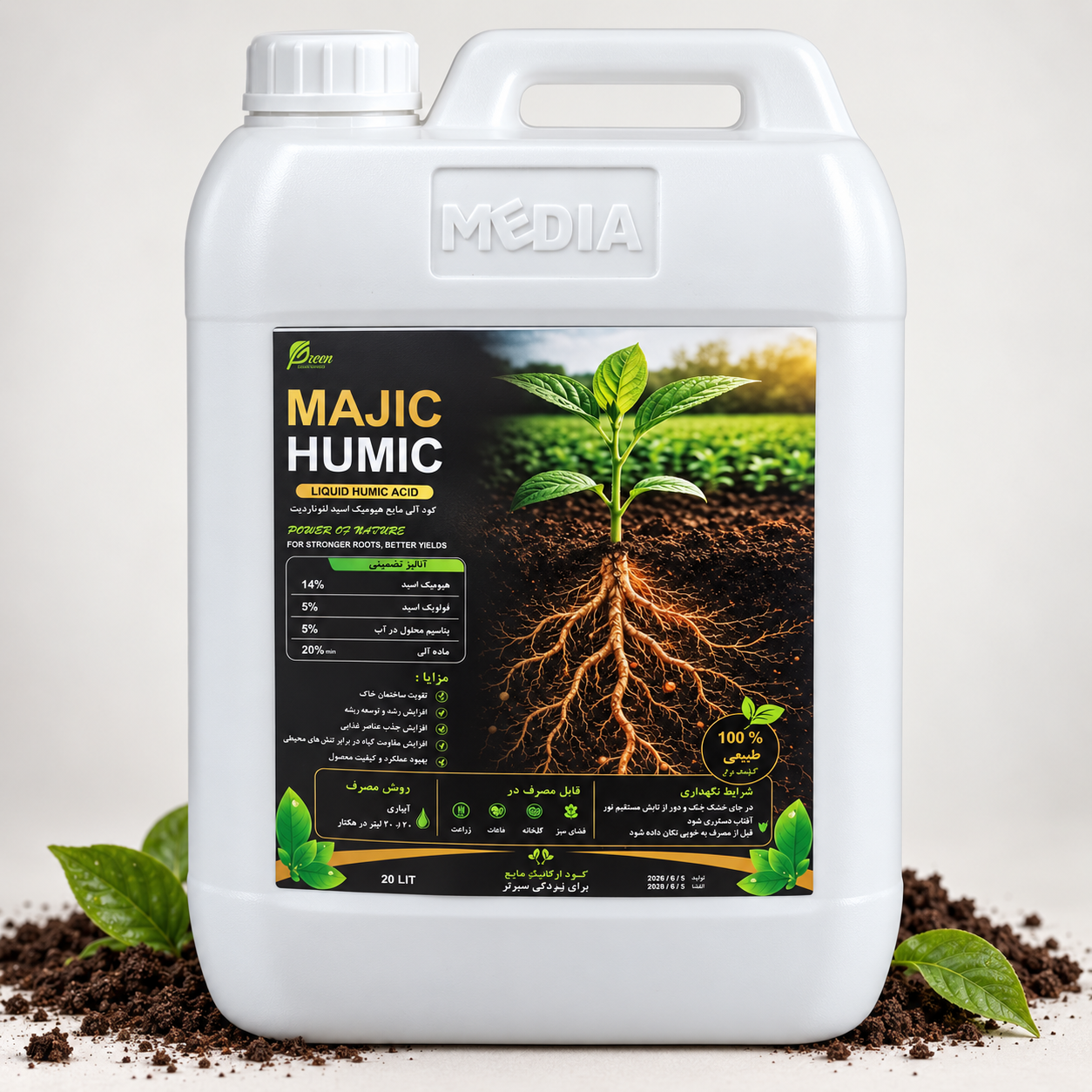
Magic Liquid Humic Fertilizer
Humic acid 14% • Fulvic acid 5% • Water-soluble K₂O 5% • Organic matter ≥ 20%