
Apple Cultivation Guide in Afghanistan
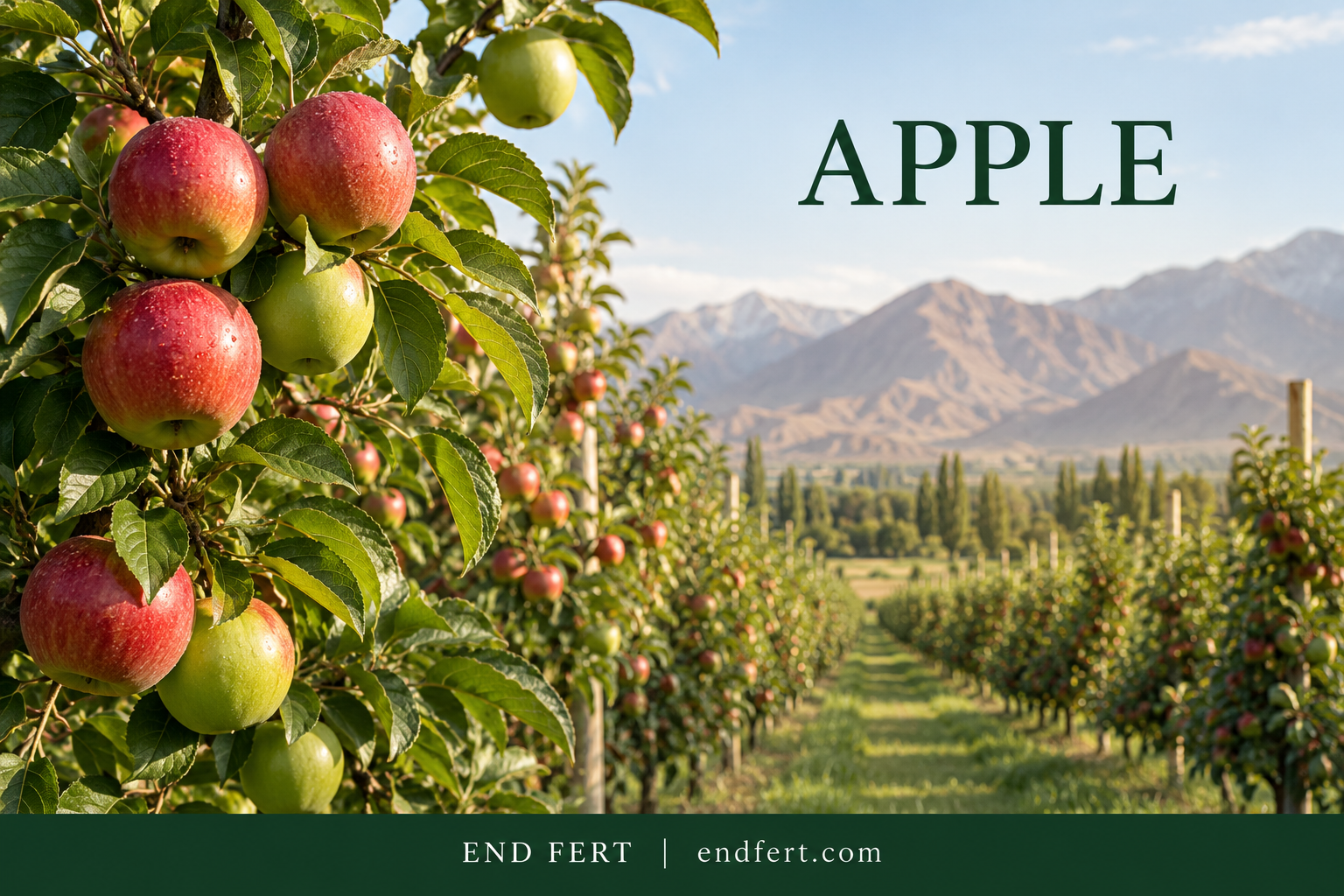
Practical apple production guide for Afghanistan: climate, soil, irrigation, stage-based nutrition, deficiencies, pests, diseases and harvest.
Introduction and importance
Apple is important in Afghanistan’s cool highlands. Cultivar chilling requirement, pollination, thinning and postharvest management determine quality.
Suitable climate and soil
Match cultivar chilling requirement to the site and spring-frost risk. Deep well-drained loam near neutral pH is suitable.
Land preparation and planting
Plant certified trees on an adapted rootstock, distribute compatible overlapping pollinizers and begin training in the first year.
Irrigation management
Maintain even root-zone moisture during fruit growth; monitored drip irrigation is preferred and waterlogging promotes root disease.
Stage-based nutrition
Base phosphorus and potassium on tests, apply most nitrogen early, support fruit quality with potassium and calcium and correct boron or zinc only when deficient.
- Stage 1: خواب و پیش از تورم جوانهAdjust nutrition to crop demand and laboratory soil and water results. Avoid mixing concentrated fertilizers without a compatibility test.
- Stage 2: رشد بهاره و پیش از گلAdjust nutrition to crop demand and laboratory soil and water results. Avoid mixing concentrated fertilizers without a compatibility test.
- Stage 3: تشکیل و رشد میوهAdjust nutrition to crop demand and laboratory soil and water results. Avoid mixing concentrated fertilizers without a compatibility test.
- Stage 4: پس از برداشت و ذخیرهسازیAdjust nutrition to crop demand and laboratory soil and water results. Avoid mixing concentrated fertilizers without a compatibility test.
Nutrient deficiencies
Diagnose deficiencies from symptom pattern, affected leaf age, root condition and laboratory analysis. Similar symptoms may also result from salinity, waterlogging, cold or root disease.
Pests and diseases
Codling moth, aphids, mites and scales require pheromone traps, removal of infested fruit and scouting. Apple scab, powdery mildew, fire blight and crown rot require suitable cultivars, pruning, sanitation and moisture management.
Harvest and storage
Assess background color, firmness and starch, pick with stems intact, cool promptly and separate damaged fruit.
Frequently asked questions
What is the best fertilizer for Apple?
There is no single universal formula. The correct choice depends on soil and water analysis, crop stage and yield target.
Products Endfert
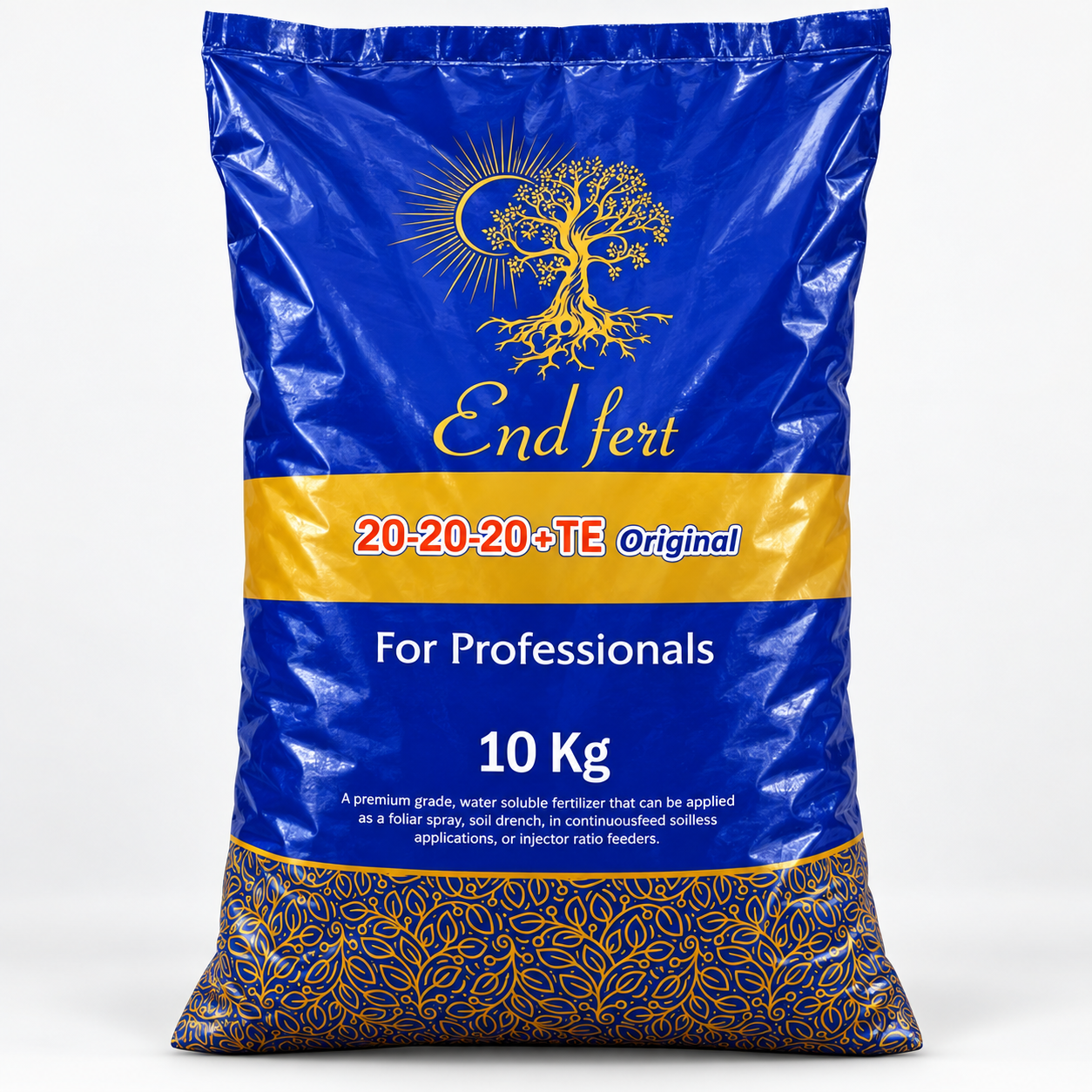
End fert NPK 20-20-20 +TE
N 20% • P₂O₅ 20% • K₂O 20% • TE
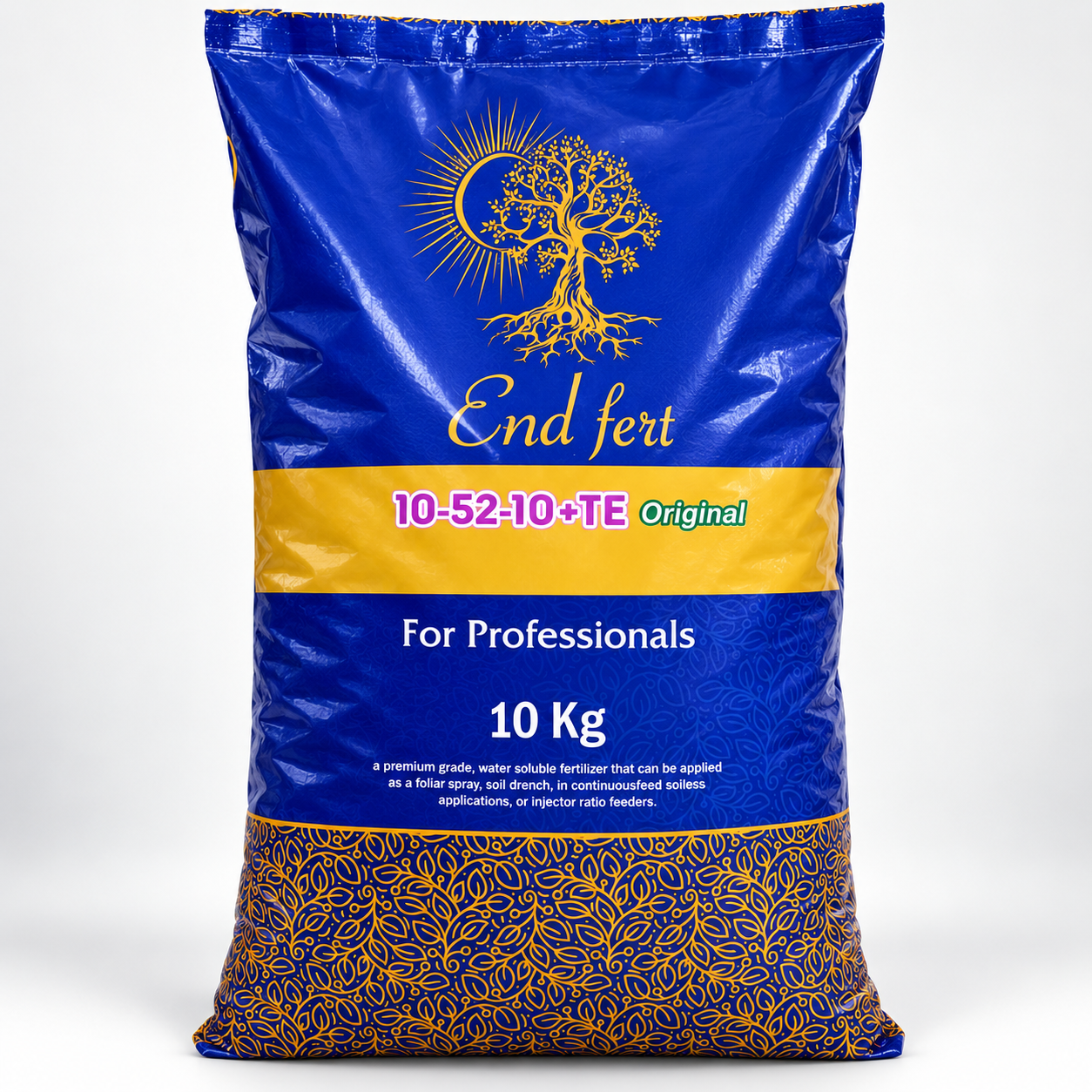
End fert NPK 10-52-10 +TE
N 10% • P₂O₅ 52% • K₂O 10% • TE
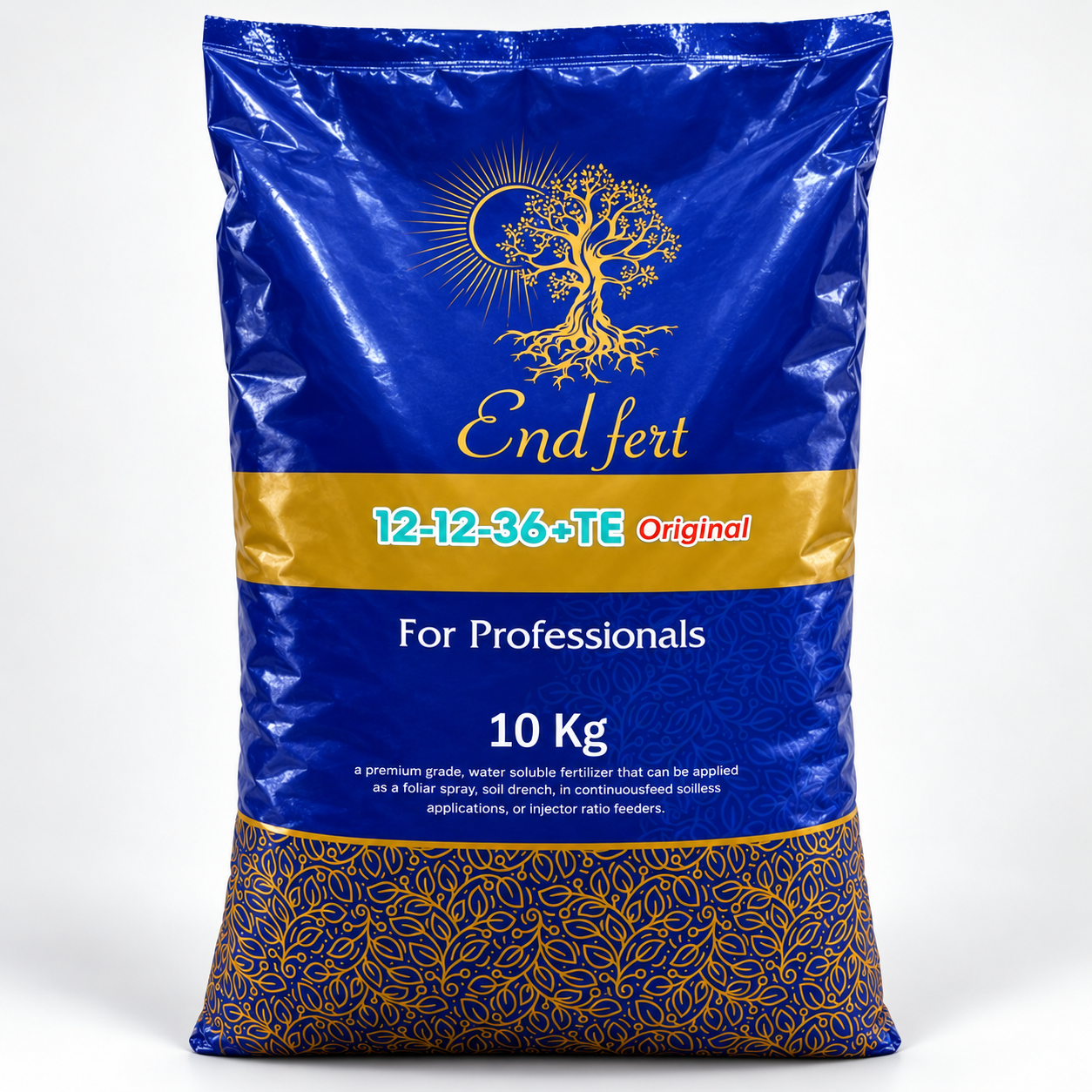
End fert NPK 12-12-36 +TE
N 12% • P₂O₅ 12% • K₂O 36% • TE
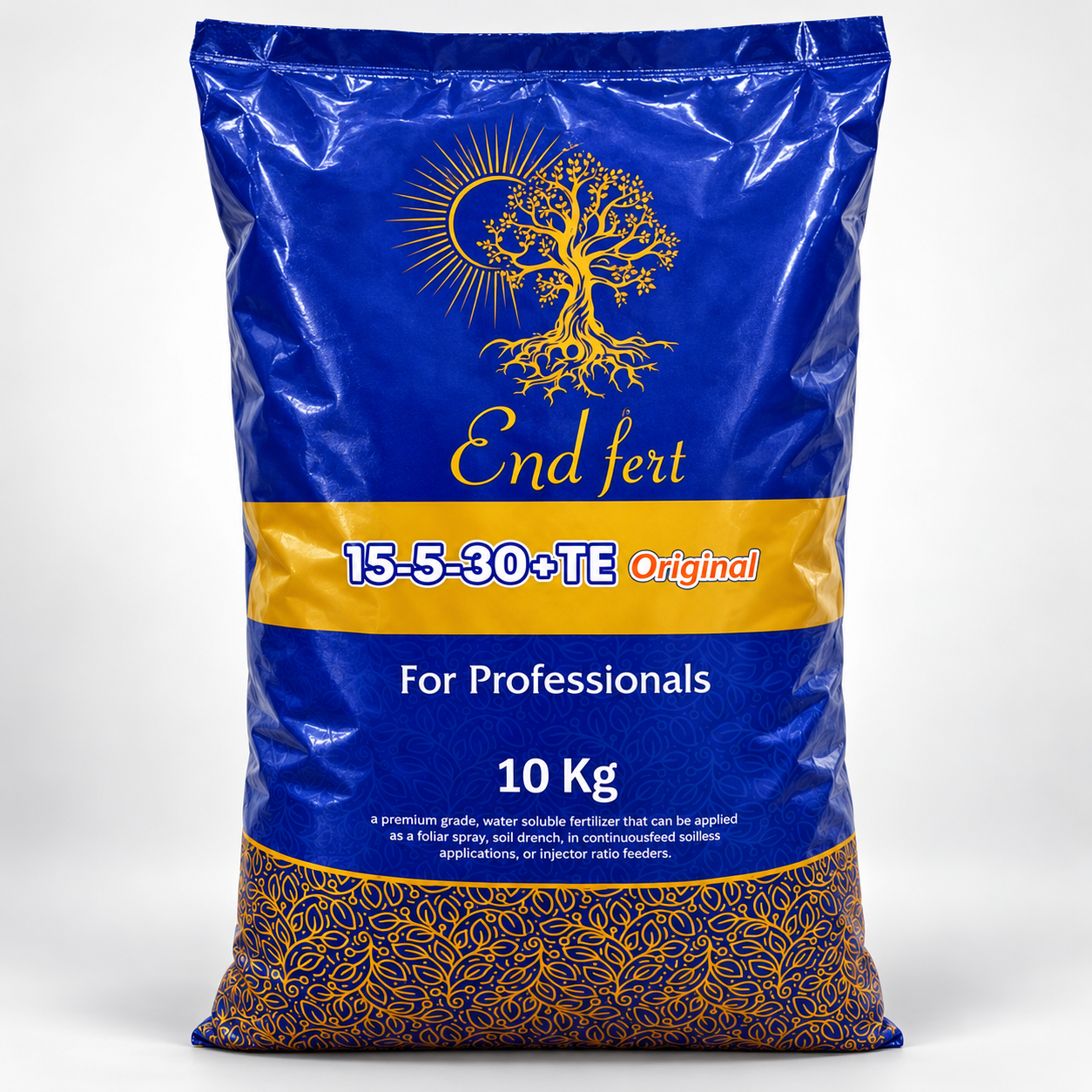
End fert NPK 15-5-30 +TE
N 15% • P₂O₅ 5% • K₂O 30% • TE
Endfert NPK 10-10-40 +TE
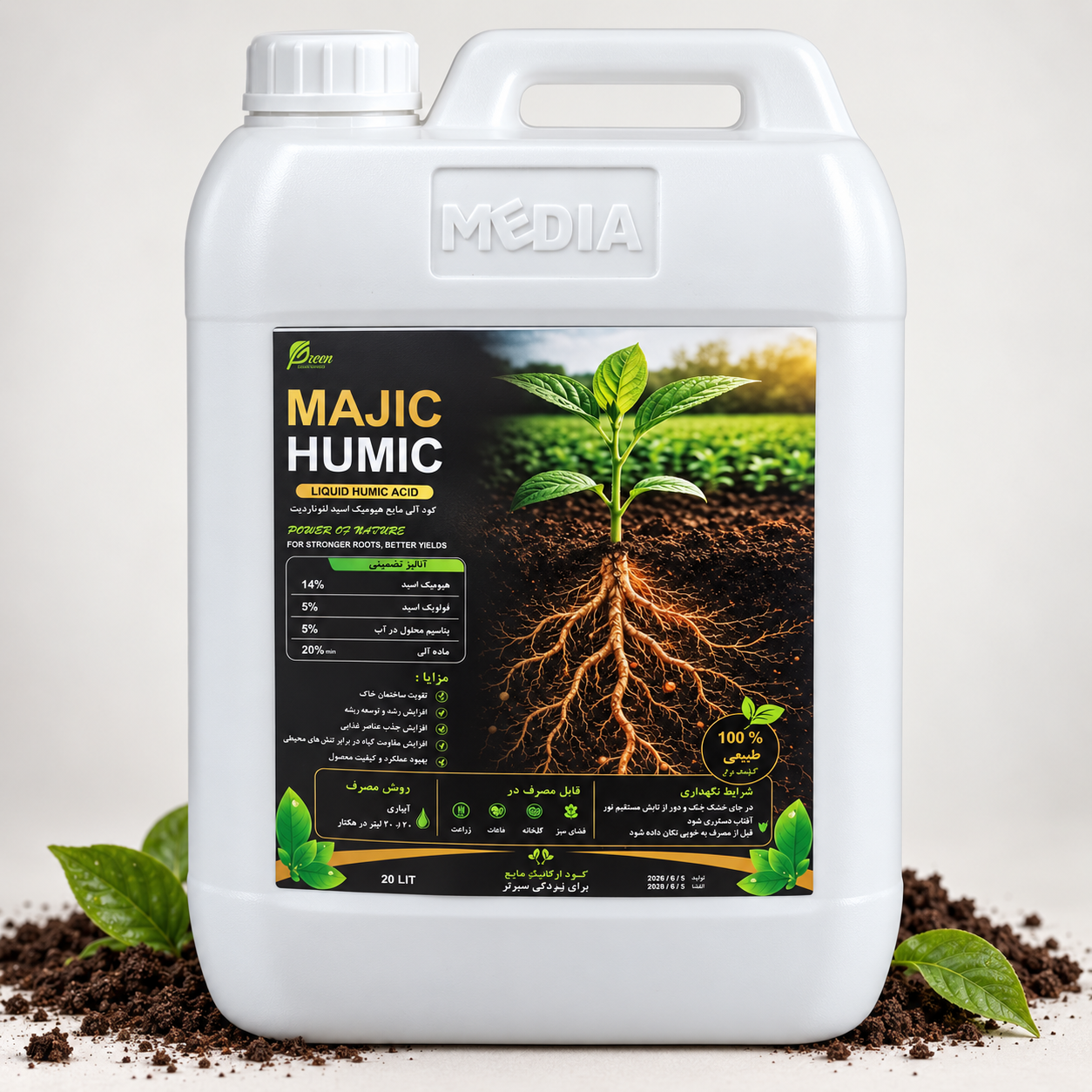
Magic Liquid Humic Fertilizer
Humic acid 14% • Fulvic acid 5% • Water-soluble K₂O 5% • Organic matter ≥ 20%